





























Walk down any street, and you’ll spot furry demons staring from anywhere—storefronts, backpacks, and keychain charms. Labubu—the collectible monster doll—skyrocketed to global fame and reached its pinnacle in the summer of 2025 with shoutouts from pop stars such as Rihanna and Dua Lipa.
A creation by artist Kasing Lung, Labubus belong to the plush toy series “The Monsters.” With its trademark appearance—pointy ears, wide eyes, and a mischievous grin with nine teeth—these demonic furballs command attention from every angle.
The main appeal resides in the blind-box method, where consumers purchase the products unaware of which specific figure from a series they will acquire. The big reveal brings them a dopamine rush. However, consumers often feel dissatisfied, since such a system doesn’t guarantee the desired doll. Even after they secure a single Labubu, collectors endlessly chase rarer versions.
These scarce and popular types often go for an unreasonably high price—for instance, the special edition Labubu traded at 125 times more than the original cost at a whopping ₩ 210,195,750. For some, these overpriced collectibles lost their original purpose as a cute companion and only serve as a symbol of wealth and trendiness.
For avid young collectors, however, Labubu stands beyond the price—the majority find these devil-faced toys adorable, mischievous, and lovable. “I think they’re really cute, and I like them. They might be very expensive, but I think the money is worth it,” sixth grader Jennie Kim said.
Contrary to advocates, some express ambivalence, and do not take a side in the great Labubu debate. “I think it’s kind of cute and creepy in both ways,” eighth grader Olivia Cho said.
While many feel pressured to hop on the bandwagon or risk alienation, others reject the craze altogether. “I think it’s very useless because it’s just a doll with a scary face. It’s very popular, and I think people want to buy it because other people also have it. It is just expensive,” said fifth grader Sofi Aki.
Beyond the role as a status symbol, the scarcity of the dolls encourages the production of counterfeits. Replicas flood the market, and countless purchasers mistake them for the original. Even celebrities such as Young-ji Lee purchased a counterfeit accidentally and fell victim to the scheme. Rampant dissemination of fake copies undermines the original value of Labubus.

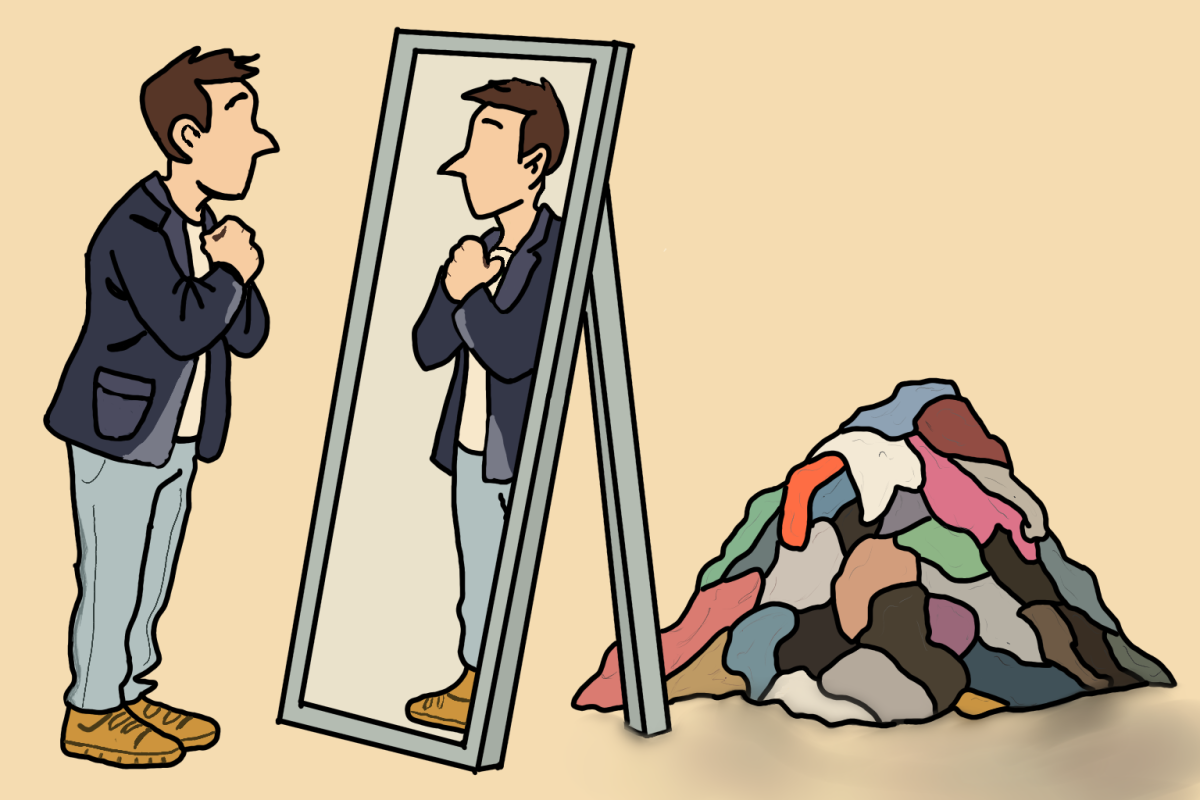
The rise of Labubu exemplifies how pop culture transforms a toy into a global phenomenon. While some view it as collectible art forged from genuine creativity, the hype-driven popularity overlooks the high costs and creates peer pressure among young generations.
The Labubu trend triggers addiction that fuels consumers to chase the symbolism of exclusivity. In the end, Labubu now stands less as a toy and more as an icon of waste, vanity, and mistaken value.







jules • Nov 6, 2025 at 12:44 am
210,195,750won for a labubu…?
Lily K • Nov 5, 2025 at 6:35 pm
Thank you for the article