
















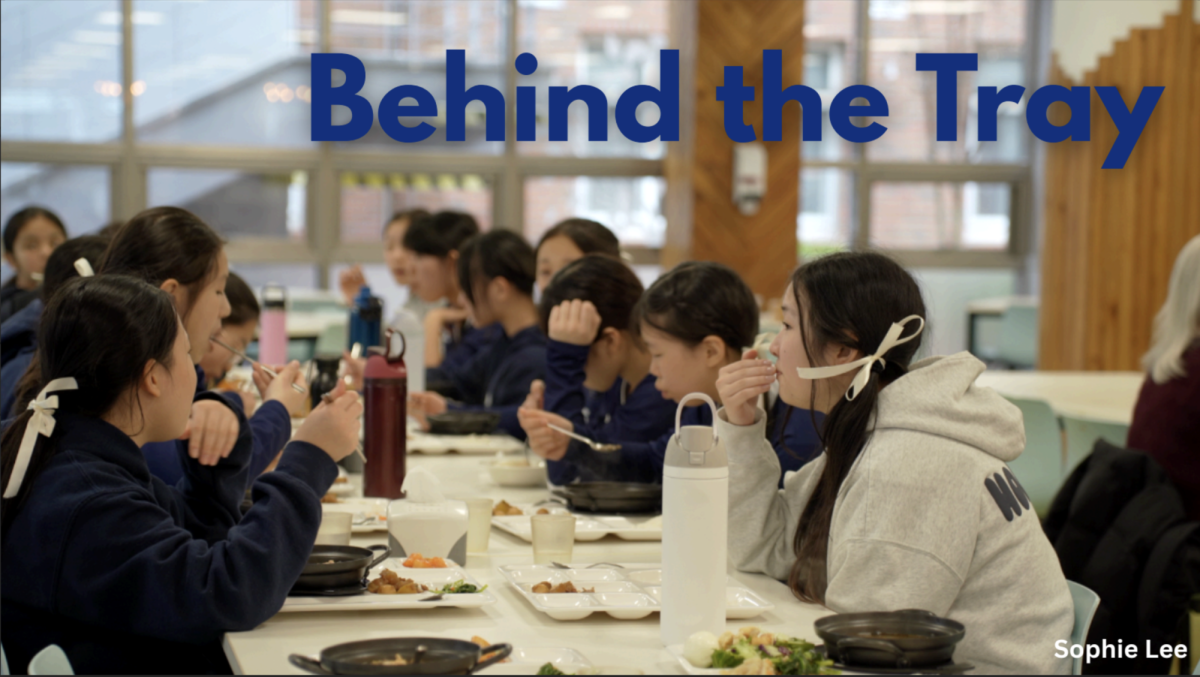



DIS cafeteria employees implemented “clean plate” procedures to curb DIS’s food waste levels during the 2025-2026 school year. After the contract with J&J Catering at the beginning of this year, the kitchen staff created events to help students reduce food waste. “There’s been a wealth of carbon-emission reducing campaigns recently,” said Yun-Jung Kim, cafeteria staff manager. “We came up with something that our students could do in our cafeteria, which led to the idea of the clean plate initiative.”
“When I first came to DIS, I thought that DIS was especially vulnerable to food waste,” junior Yujun Piao said. “These various initiatives are good because food waste is increasingly becoming a problem in South Korea.”
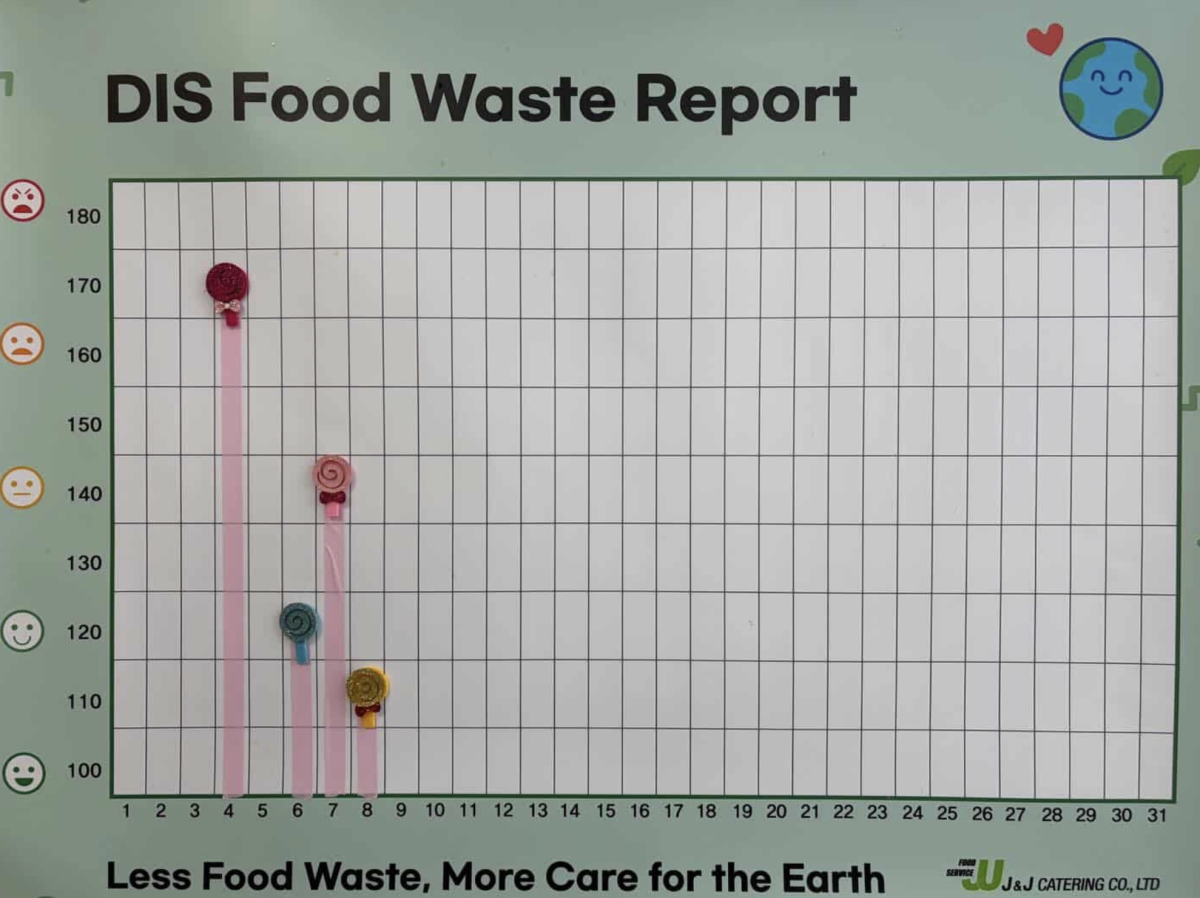
To showcase the leftover food of the cafeteria, staff placed a poster tracking waste. The graph represents the food waste to inform students, while the clean plate days are put in place to encourage students to contribute.
The clean plate initiative doesn’t occur every single week. “Doing it too much can cause difficulties for the students,” said Kim. “So, currently we have a clean plate day once every month in order to not tire the students out while also still making an impact on food waste.”
Outside of DIS, other schools under contract with J&J catering experience the same policy. Our school’s clean plates stand as part of a greater effort in international schools to curb food waste.
The incentives help motivate students to eat more. People leave behind more food when there is an off-week of promotions. “The new rules are good because it’s important to reduce food waste,” said fifth-grader Adela Lee. “But I often can’t finish my plate [on the days with the event], but I finish my plate on other days. So I wish the event happened more often.”
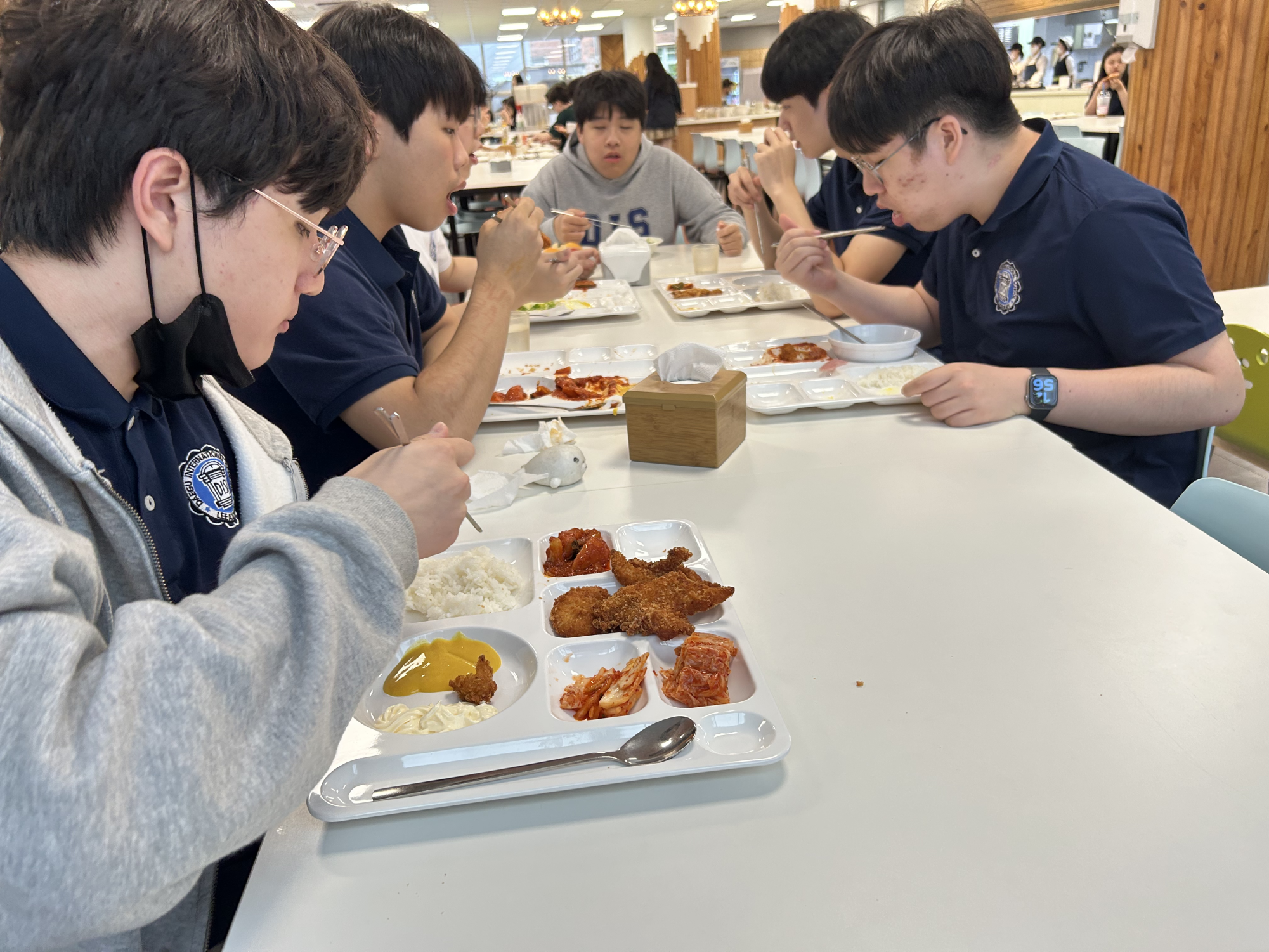
The clean plate days received positive feedback from students. “It’s definitely gratifying to finish your plate, and the clean plate days give students the motivation to finish their plate,” said Piao. “The system itself is very appealing, and it’s positive.”
Some students noted limitations in the new policy, however. “There are a few negative aspects of [clean plate] events, because some students will give their food to other students in order to get the snack,” Piao said.
“The elementary students really want to eat the dessert, but have difficulties in cleaning their plates,” Kim said. “So I would like to tell them to just participate in the clean plate initiative for fun and less seriously.” Kim emphasized that cafeteria staff remain always open to suggestions and improvements.
Although the school year soon concludes, cafeteria staff encouraged students to look forward to future events, as they continue to take in feedback. “Some of the recent events have been quite unpopular [with the students],” Kim said. “We’ll remove those and create new cafeteria lunch events. So I hope that the students will participate and enjoy these events in the future.”