














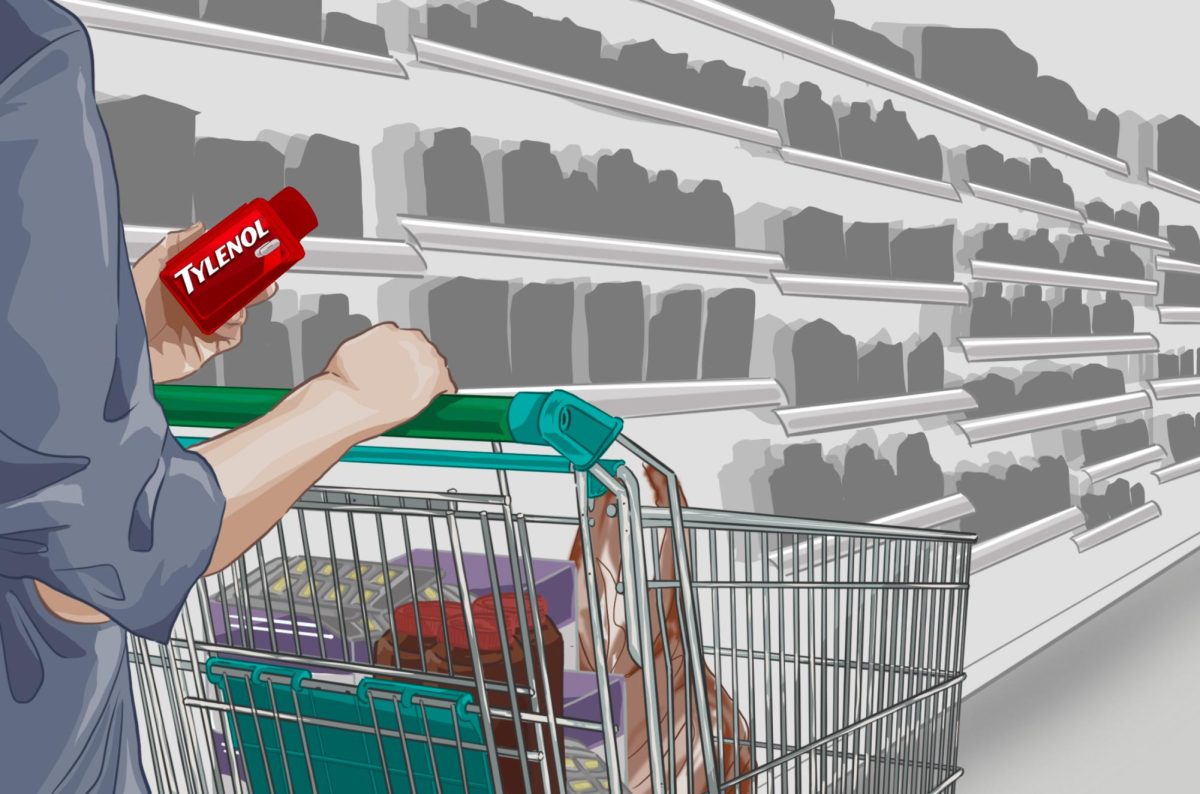
























Drugs line the shelves of Mega Factory, Korea’s first supermarket-style warehouse pharmacy, where shoppers fill shopping carts with over-the-counter (OTC) medications. What was once dispensed across a counter now sits on warehouse shelves, accessible for anyone to browse and purchase in bulk.
Warehouse pharmacies allow consumers to purchase non-prescription medications in a retail setting. Within just a few months of their introduction, such stores proliferated across the nation, attracting buyers with their low price and wide range of selection for products. However, this step towards greater accessibility raises concerns about potential drug misuse and the future of traditional pharmacies.
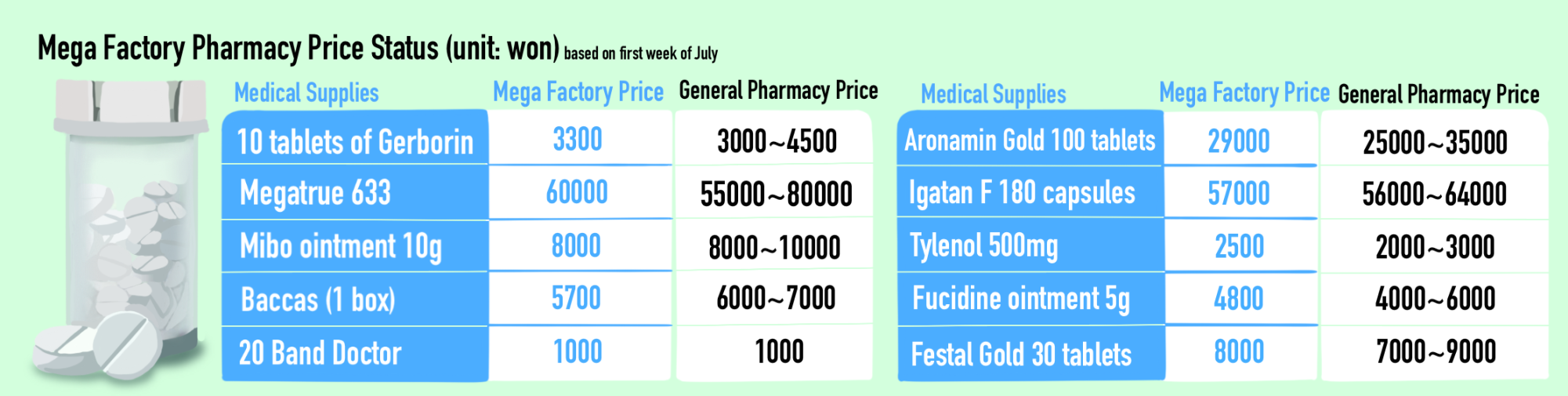
Much of the popularity stems from affordability. Customers frustrated by the high costs at traditional pharmacies flocked to warehouse drugstores, which offered significantly cheaper alternatives. Specifically, some medications recorded a price reduction of 30 percent. “B-max Meta B,” for example, sold for 32 percent less under the warehouse model, which operates through high-volume sales and lower profit.
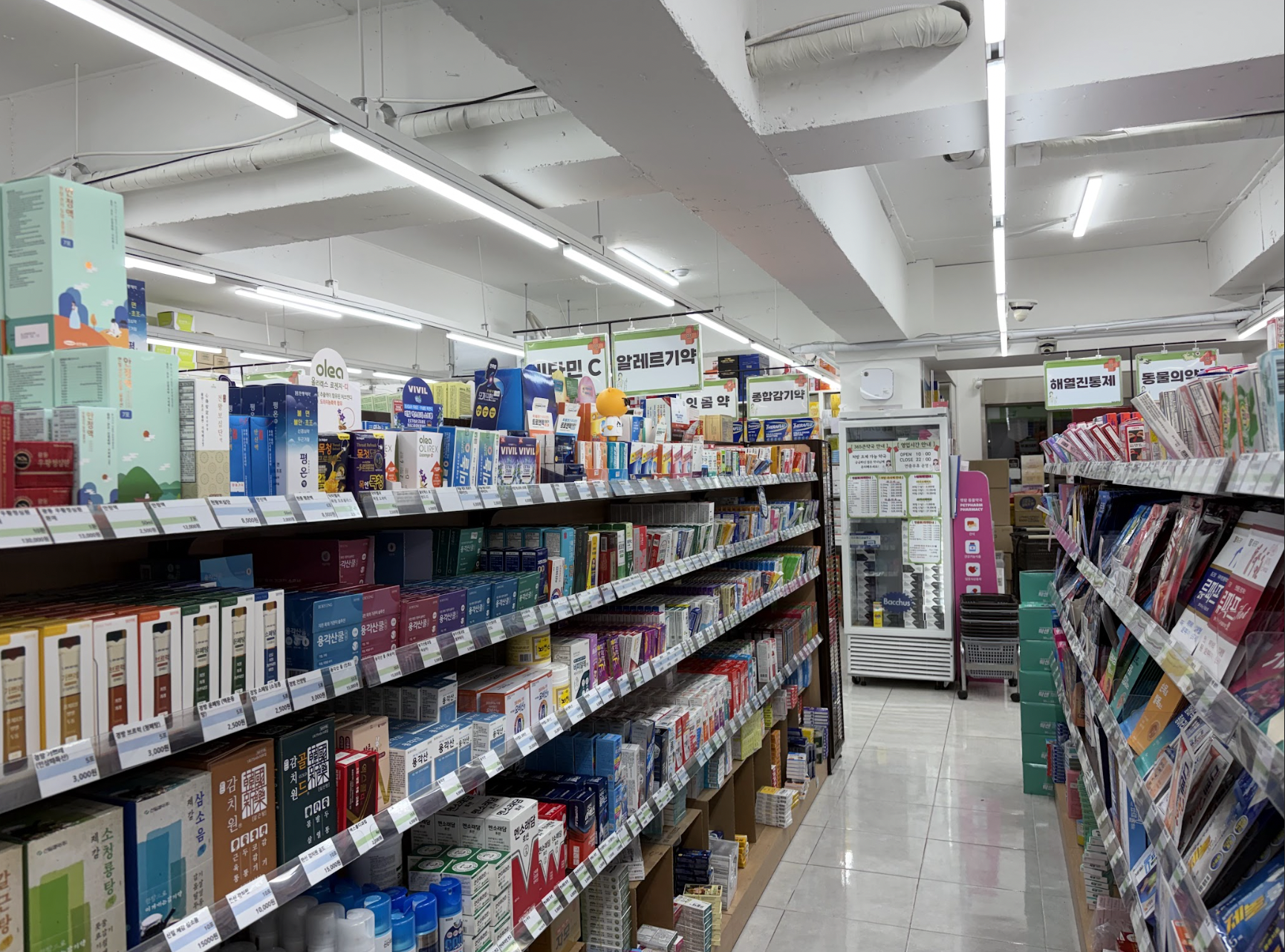
The model also offers greater consumer choice. Unlike traditional drugstores, where pharmacists offer in-depth consultations based on patients’ symptoms, warehouses allow customers to compare a wide variety of drugs on their own. “In a typical pharmacy, when a patient mentions their discomfort, the pharmacist chooses what they believe is the best medication and provides it,” said warehouse pharmacist Hoyeon Kim. “But in a warehouse-style pharmacy…customers can directly handle and look at the products themselves…just like Costco,” Kim said.
Regular customer Ms.Lee underscored this convenience as well. “I think the biggest advantage is that the customers’ decision range has widened. Because we can view a variety of medicines and purchase them depending on necessity and by comparing the price, fair consumption becomes possible,” she said.
Yet these advantages stirred up worries among pharmacists. “The biggest difference between a traditional pharmacy and a warehouse pharmacy is their focus,” said Mi-jeong Lee, a traditional pharmacist. “Traditional pharmacies focus on medication counseling and improving patients’ health, while warehouse pharmacies tend to focus on profit through lower prices and large-volume sales,” she said.
In addition, the surge of warehouse pharmacies intensified pressure on traditional pharmacies and drove many to closure. The Korean Pharmaceutical Association reported a 65.5 percent decrease in classic drugstore visitors, and a 55.8 percent increase in price complaints filed. “If price competition becomes more active, the financial burden on consumers will ease as drug prices reduce. However, the small local drugstores may experience business deterioration as a result,” Lee said.
Beyond economic concern, experts worry about medication abuse. Greater access and lower prices might drive some to purchase unnecessary amounts of drugs without sufficient guidance. “There’s a risk that people may buy unnecessary medications simply because they’re affordable. Then, control falls on the pharmacists…they can ask why someone buys too many of the same item,” Kim said.
The rise of social media further complicates the issue as consumers rely on online recommendations when selecting medications despite lacking expertise. “Even though consumers today gather a lot of information online, trusting and relying on professionals is still important. Choosing medication solely based on information found on the internet is something we should be cautious about,” Mr. Kim said.
To address these concerns, pharmacists suggest stronger enforcement of pharmaceutical regulations rather than an outright ban of warehouse stores. “It is essential to strictly follow pharmaceutical laws. There should be limits on the quantity of medications that have a high risk of misuse, such as sleeping pills or cold medicine, and pharmacists,” Ms. Lee said.
In addition, pharmacists’ role stands crucial in safeguarding the patients’ well-being through the guidance for proper dosage and drug interactions. “Most people who visit pharmacies are physically or emotionally unwell. Regardless of the type of pharmacy, pharmacists must carefully assess patients’ conditions and do their best to prevent medication misuse and promote disease prevention,” Lee said.
Warehouse pharmacies resolve long-standing concerns over affordability and product variety, yet they weaken personalized pharmaceutical care and increase the risks associated with self-medication. As the industry continues to expand, policymakers must establish a regulatory framework that preserves both accessibility and patient safety through measures such as mandatory consultation spaces, minimum pharmacist-to-patient ratio requirements and enhanced counseling for high-risk products.