











































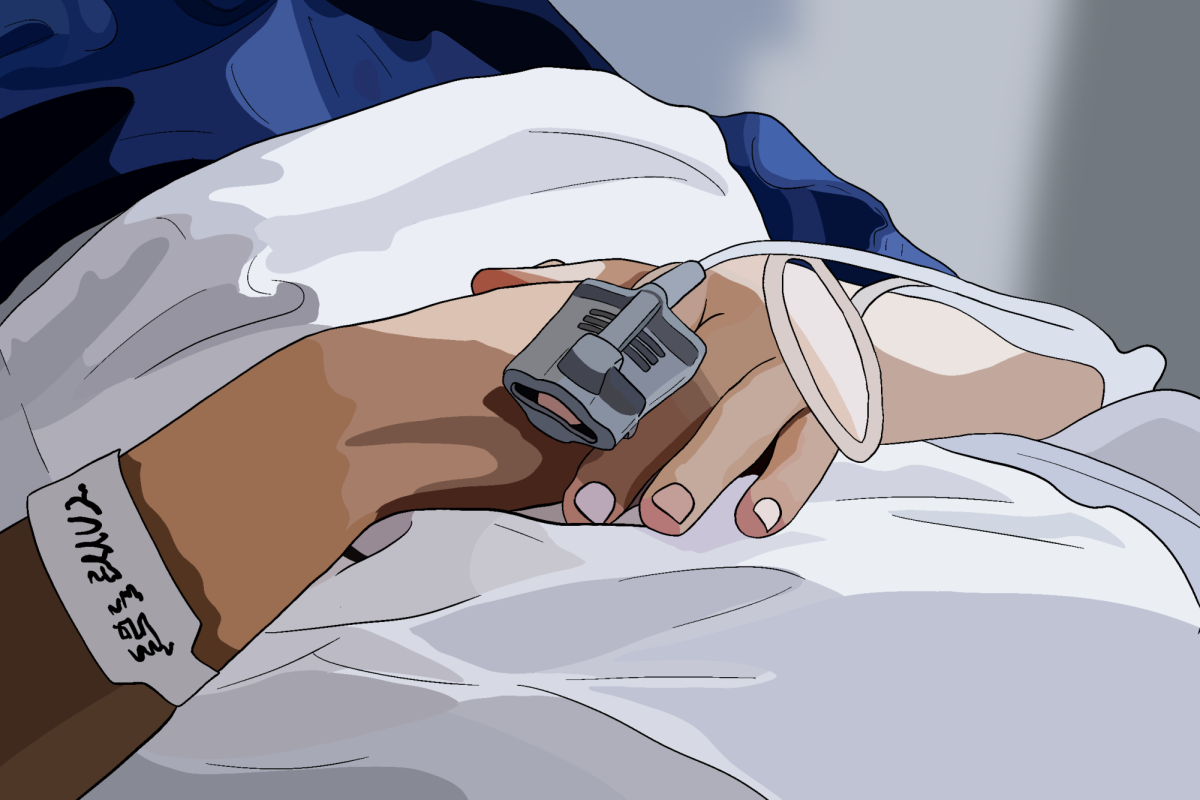
Inside cramped hospital rooms, terminally ill patients and their family members face a common yet grim dilemma. As loved ones lie on cold hospital beds, some shed tears, while others remain rigid and silent. In a society where euthanasia equates crime, patients are denied the right to choose their own death.
Euthanasia takes two primary forms: passive and active. Passive euthanasia withdraws life-sustaining treatment, leading to natural death from the patient’s original conditions. During active euthanasia, a physician deliberately administers lethal substances to cause death.
South Korea legalized passive euthanasia in 2018 with the Life-Sustaining Treatment Decision Act, but active euthanasia remains illegal. Due to this prohibition, terminally ill patients must endure the pain from the continued treatment.
Contrary to the law, however, surveys show that more than 70% of Korean citizens express support for euthanasia, citing reasons such as the right to die and the alleviation of pain. Despite the widespread advocacy for legalization, little progress has been made.
The disparity between public opinion and the law reveals a fundamental paradox. While the law aims to protect human rights and the freedom of choice, it refuses to recognize the patient’s desire to end their suffering. This so-called protection often brings adverse effects to the stakeholders – patients, doctors in charge, and families.
In the absence of legal options in their home country, patients, in extreme cases, turn to alternatives abroad. To alleviate the excruciating pain, some commit suicide tourism, the assisted practice of traveling to euthanasia-allowing countries to end their lives. What results from the prohibition is not the preservation of lives, but a system in which patients get forced into harder ways to reach the same outcome.
The hardship extends beyond the patient: physicians also experience moral distress when coerced to prolong a suffering one’s life. “Patients are granted the right to make decisions about their own treatment. However, when a patient refuses what they consider to be futile life-sustaining treatment, physicians may experience a dilemma,” said Jinyong Kim, a physician who has extensive experience with terminally ill patients. “They may struggle with determining which choice truly serves the patient’s best interests,” said Kim.
The biggest burden lies upon the patients’ families who must bear prohibitive medical bills for sustained – but often unwanted – treatment. “I pay around four million won for my mother’s medical bills. I believe that many families are facing similar financial burdens to afford continuous treatment,” said Youngho Kim, whose mother has resided in the ward long-term due to an illness.
Necessary government subsidies to support the families remain absent, which forces them into dilemmas. “As far as I know, Korea currently doesn’t have a separate financial system specifically secured to support medical expenses for terminally ill patients…As a result, the continuation of prolonged medical treatment can lead to difficult conflicts over whether to discontinue treatment,” said Jinyong Kim.
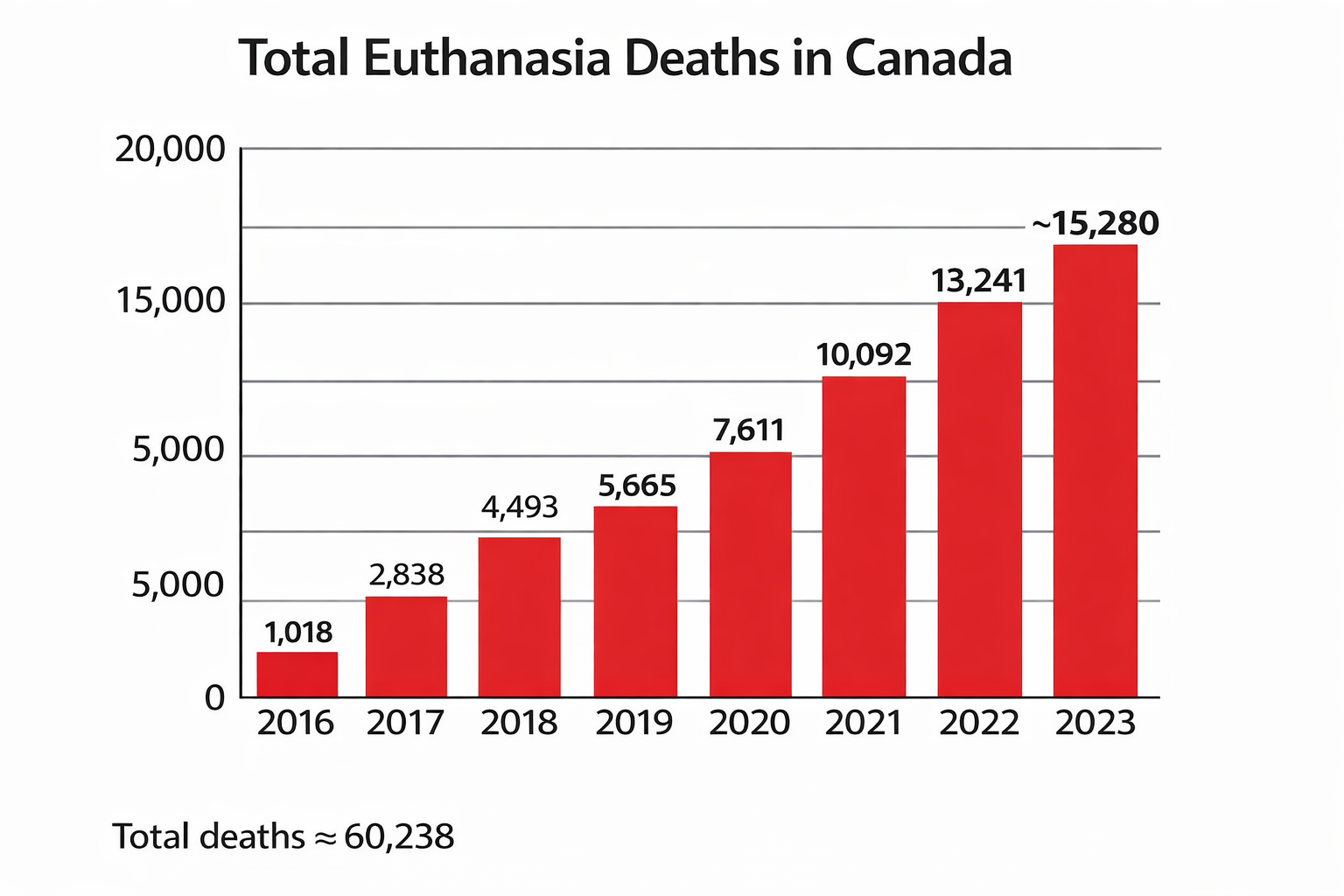
In contrast to South Korea, many countries, including the Netherlands, Belgium, and Canada, legalized euthanasia in response to the growing demand for autonomy toward the end of their lives. These cases demonstrate that euthanasia can be introduced into society when equipped with proper legal frameworks and oversight.
This shift reflects an evolving definition of what it means to live a “life to the fullest.” Recently, the concept of healthy life expectancy, which emphasizes years lived in good health rather than the total lifespan, gained popularity across the globe. As societies place a greater value on a painless and wholesome life over longevity, support for euthanasia in Korea has grown as well.
The debate centers on two fundamental rights: the right to life – which prohibits death arbitrarily delivered by another individual – and the right to self-determination.
While the right to life is foundational, the right to self-determination protects human dignity and bodily autonomy. Given that control over one’s own body lies at the center of both quality of life and fundamental rights, decisions dictated by others fail to respect an individual’s independence. Thus, the government should permit euthanasia under appropriate circumstances.
Some critics warn against the potential pressure administered to vulnerable groups. They argue that, with the legalization of euthanasia, minorities like the disabled, homeless, and LGBTQ may feel coerced to end their lives to avoid being a financial or emotional burden to their families.
However, such ramifications can be prevented through strict medical and ethical standards. Specifically, euthanasia should only be permitted when a patient with an incurable, terminal condition experiences unbearable pain and makes a voluntary request to die under rigorous medical oversight. This approach ensures both respect for patient autonomy and protection for vulnerable individuals.
Policymakers should also complement the legislation with the development of strict criteria and surveillance systems. “To prevent abuses, safeguards such as strict eligibility screening, procedural transparency, protection against socioeconomic pressure, and independent post-review and monitoring should be implemented,” said Sanghwan Lee, a philosophy professor at Kyungpook National University.
In addition, for euthanasia to gain acceptance, public attitudes must shift away from the callous view that intentional death is always immoral. Only when it is acknowledged as a dignified option for some to manage intolerable suffering can widespread acceptance emerge. “In the process of implementing euthanasia, the government must go beyond simply permitting or prohibiting the practice. It must act both as a protector of life and a guarantor of individual rights,” said Lee.
Today, South Korea stands at the crossroad between tradition and reform. Rather than insisting on outdated, restrictive laws, policymakers must strive to reflect the public’s voice towards a more autonomous life. By legalizing euthanasia with appropriate safeguards, society could take a step towards a more self-determined future.