












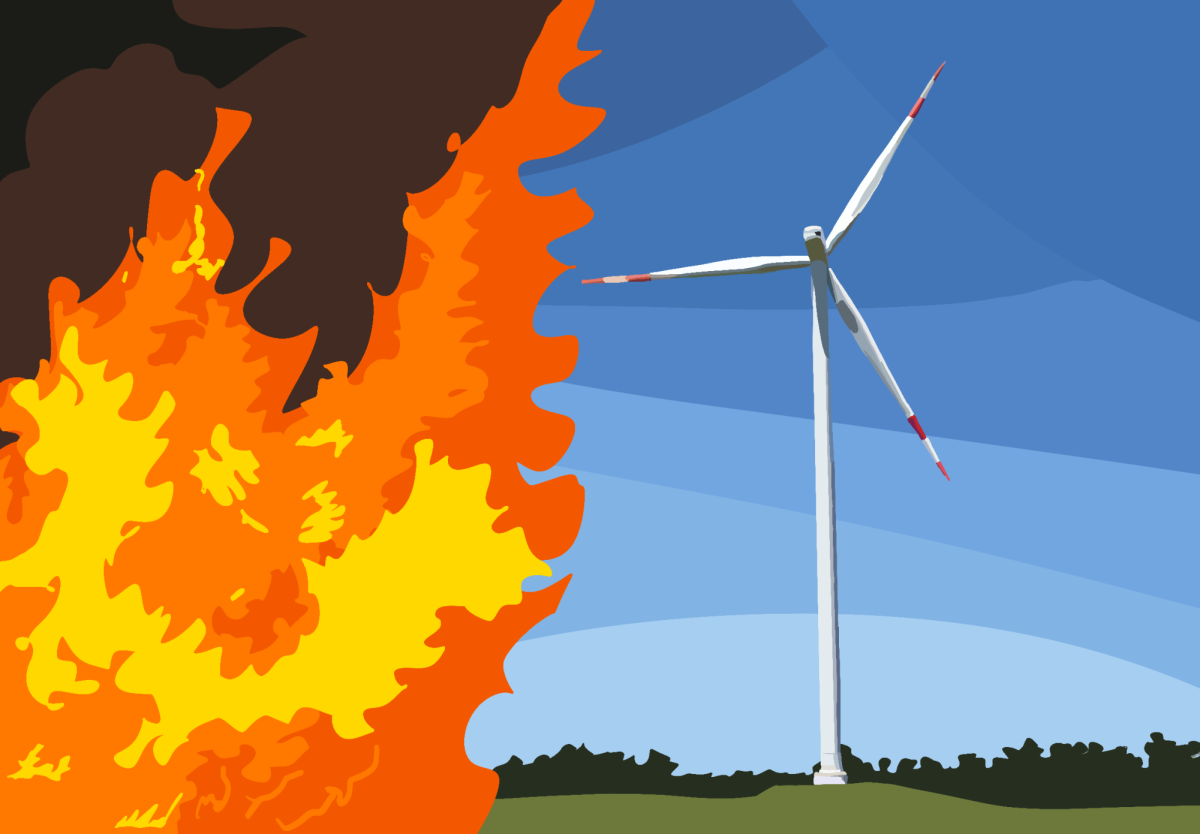



















When a wind turbine in Yeongdeok County suddenly collapsed on Feb. 2, 2026, only a few paid much attention. But the collapse foreshadowed a far greater tragedy. A month later, a fire engulfs three workers repairing the dilapidated structure, shocking the entire nation. This accident, recognized only after claiming several lives, revealed the precariousness of South Korea’s renewable energy regulation.
Today, South Korea’s protection policy differs by energy source. Large-scale power plants deemed dangerous, such as nuclear energy, fall under governmental oversight from initial construction approval to ongoing operations. And while “safe” renewable sources, such as wind and solar, do require construction approval from the Ministry of Climate, Energy, and Environment (MCEE), stakeholders privately own them with limited surveillance.
This lack of oversight stems from the historically low share of renewables in the energy market. “Renewable energy sources such as solar and wind make up less than 8–10%. As a result, the relatively low share of renewables may lead to insufficient management, given the lower returns compared to their production levels,” said Kukcheon Park, a safety inspector at the Korea Institute of Structural Diagnostics.
Currently, the government and private enterprises take on separate, disconnected roles within the industry and lack the coordination necessary for a unified system. As responsibility diffuses between institutions, regulatory blind spots arise, which weakens both prevention efforts and rapid responses to malfunctions.
The issue further exacerbates as companies seek to avoid extra costs associated with facilitating coordination between workers and officials. In the case of the Yeongdeok fire, workers entered the facility without receiving any image of the turbine’s internal damage, which hindered their escape as the fire spread. In fact, experts even questioned whether they possessed sufficient qualifications to conduct the repair in the first place.
Even the cause of the fire remains unclear. The facility manufacturer often conceals the investigation process and justify their actions as trade secrets. “Under the current structure, where manufacturers lead investigations, thorough oversight by the government or independent expert bodies, along with transparent disclosure of the investigation process, is essential to ensure a credible outcome,” said Jinsook Park, a public servant under the Environment Division at Ulsan City Hall.
The tragedy stands as just one of many recent wind turbine accidents. Four accidents occurred in the first quarter of 2026, a significantly higher number than in previous years. Of 891 operating wind turbines, 9% were more than 20 years old, and over 20% were more than 15 years old, according to the MCEE.
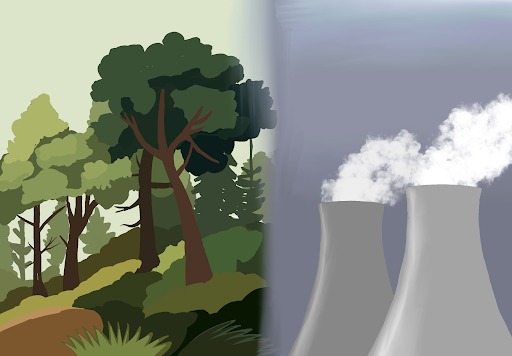
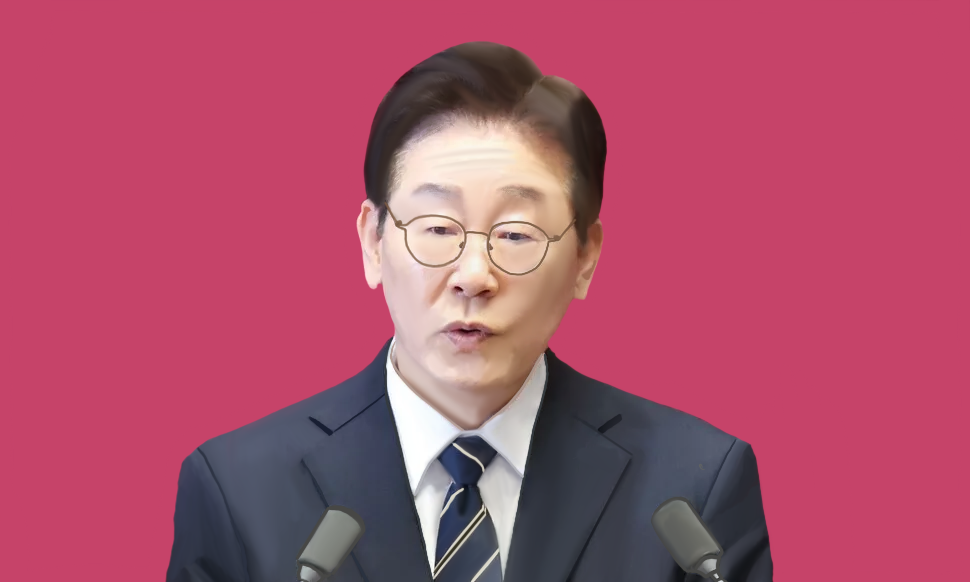
Despite the growing concern over infrastructure operations, the government continues to push for the expansion of wind turbines. Since last year, the Lee administration has promoted the expansion of the renewable energy sector to build an “energy highway” that connects sustainable systems across the nation. Especially with exorbitant global oil prices due to the Iran-US conflict, renewable energy has taken the spotlight as a solution for unstable energy costs.
Competition among nations for technological advancements drives further development plans. “Reducing carbon emissions has become a global objective, and countries are setting political goals of developing technologies that maximize power output and efficiency of renewable energy. By doing so, they can export their technological expertise and infrastructure to other nations and strengthen their position in the global energy market,” said Kukcheon Park.
Ironically, despite the administration’s advocacy, it is the private owners who bear the reconstruction costs for the facilities. “Because renewable energy projects are structured around private investment and profit, reconstruction costs are ultimately borne by operators, which can place significant financial strain on the industry,” said Jinsook Park.
This suggests that renewable energy may function as a performative tool, exploited to appeal to the public’s growing concern about climate change. These superficial policies that prioritize speedy development over solutions for operational accidents fail to resolve safety issues that require reforms beyond government-subsidized maintenance.
The contradictory situation reveals the government’s short-sighted approach to eco-friendly policies, chasing grand energy masterplans while neglecting responsibility for the protection of human capital that forms the cornerstone of a sustainable future. Politicians must remember that while ambitious proposals may win initial votes, it is the small, tangible steps that earn lasting support and meaningful progress.
With this in mind, the first step to preclude further tragedies is the implementation of mandatory renovation programs. “It is necessary to promote the development of domestic wind power technology by leveraging advances in heavy industry to build independent technological capabilities,” said Kukcheon Park.
Furthermore, as the investigation has been significantly delayed due to security issues, lawmakers should enact legislation to enable governmental access to the data of private corporations. This will allow prompt inspection and comprehensive responses in case of accidents.
However, beyond regular renovation initiatives, the administration must treat renewable energy with the same level of rigor applied to other energy industries. Through stricter inspections and greater governmental responsibility, further tragedies could be prevented.
Renewable energy could save humanity from future energy shortages, but not in the current precarious situation. Only when the government and companies fully ensure workers’ safety and operational reliability can Korea reach a truly sustainable future.