




































“Get your 7-day trial!” “Start it for Free!” Consumers constantly encounter offers through pop-ups and advertisements. Offers that masquerade as free trials turn into another monthly charge. Digital video services, cloud storage plans, productivity tools, and Artificial Intelligence expand as modern business models. A decision chosen for convenience now creates frustration and burden for many users.
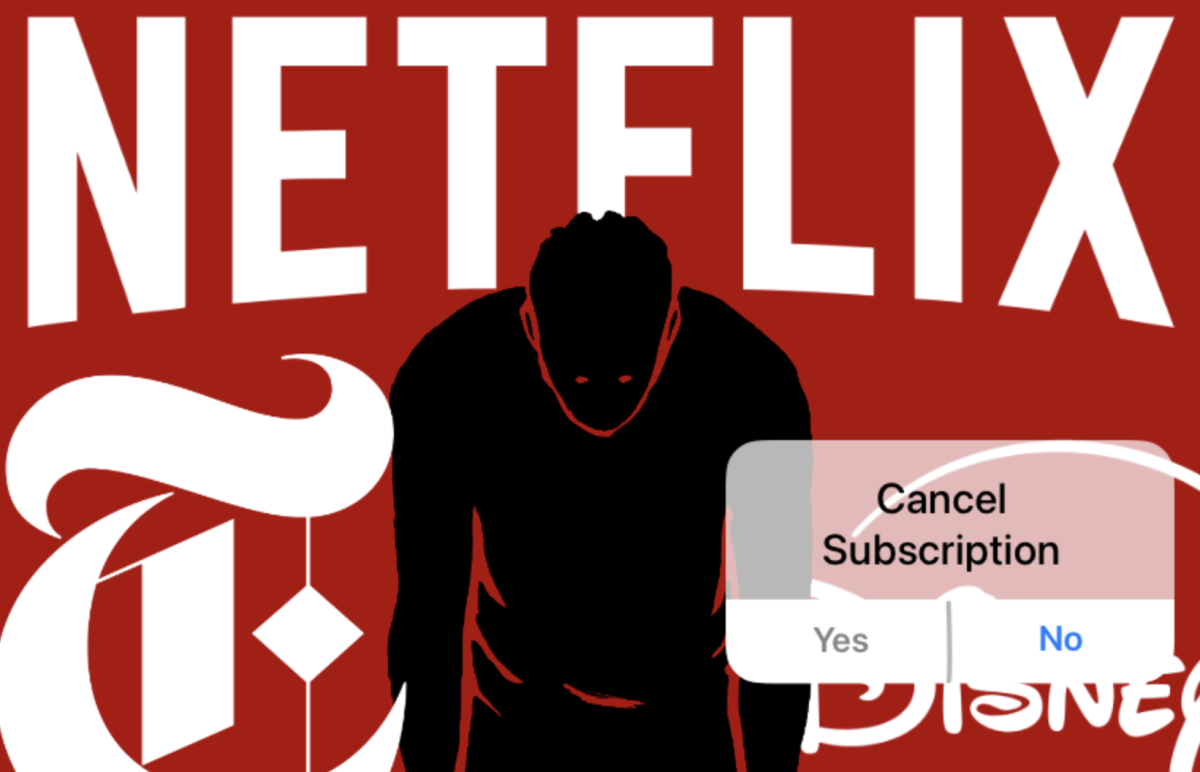
Fatigue from these models means the exhaustion consumers experience from the management of numerous services. People feel financial overwhelm and frustration from the constant accumulation of monthly payments. Services like Netflix and Disney+ started the trend in the pandemic, but periodic fees now dominate almost every service, such as music, software, and education. Kung Pik Liu, a freelance writer and creative director, said, “Streaming used to feel like freedom.”
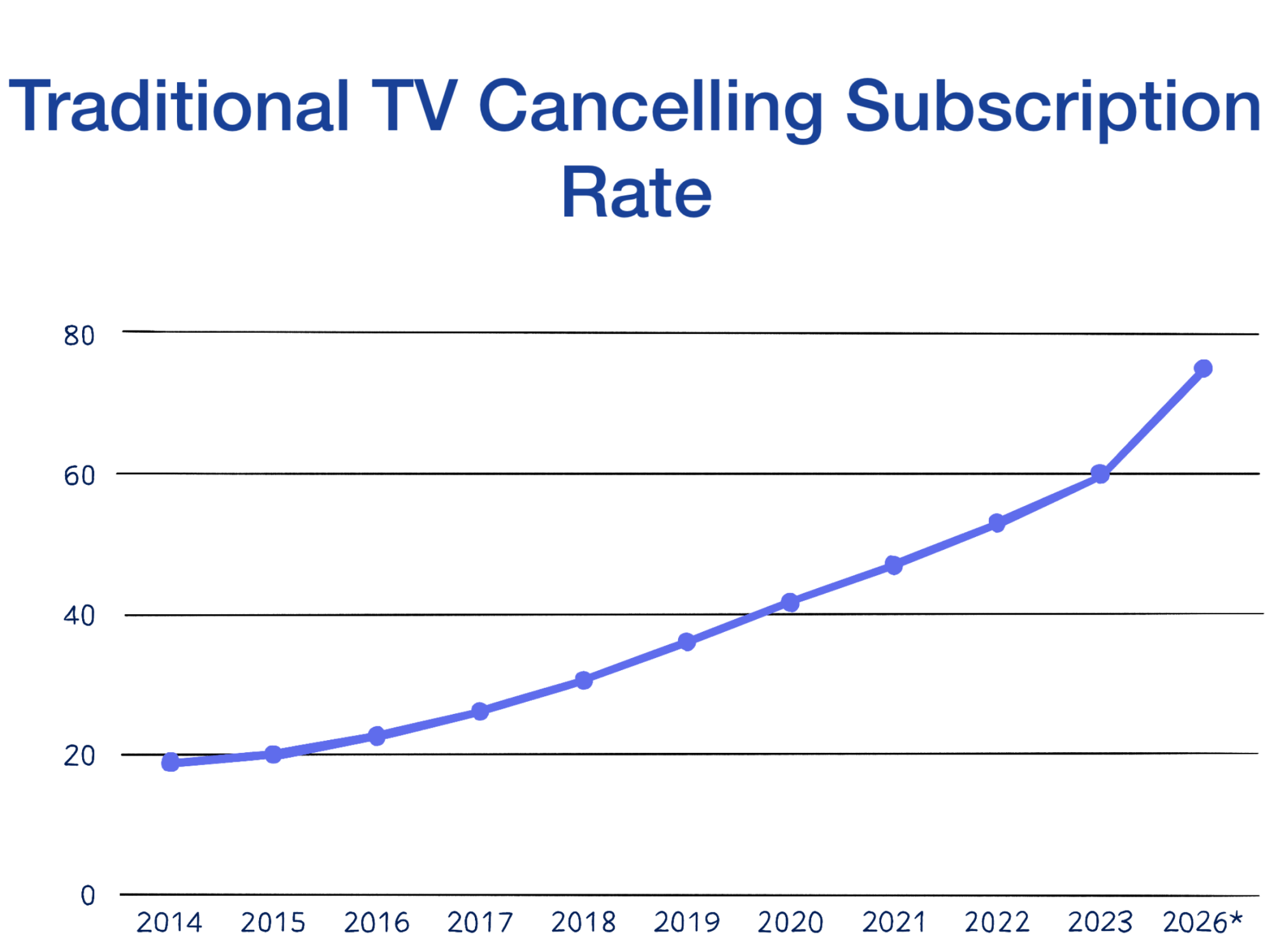
Companies now aggressively favor subscription services because they generate significant revenues. Forbes author Vincent Tricarico, these models provide predictable profits and stronger customer retention. Instead of forcing companies to convince consumers to purchase products repeatedly, automatic systems collect payment without notice. Through smaller monthly fees, these plans deliberately affect users’ psychology as they seemingly reduce the pain of payment. In fact, 54% of consumers underestimate the prices of repeated memberships, as lower fees feel manageable. However, those charges add up to significant expenses over time.
Automatic payments blend into everyday life, especially for consumers with busy schedules. Convenience replaces ownership, which unlocks movies, music, or cloud storage, without repeated purchase decisions.
However, convenience creates hidden consequences. One streaming service becomes three. One productivity tool into multiple. People often lose track of subscriptions, especially after free trials automatically convert into paid memberships without any notifications. Customers continue to pay for services they rarely use simply because of the complicated cancellation process, where companies intentionally change the color of buttons or require multiple steps to create a burden and confusion for the users.
Many companies intentionally design subscriptions to discourage cancellation. Researchers describe this method as a “Roach Motel”, which users enter subscriptions easily but struggle to escape them. A study published by the Association for Computing Machinery identified the hidden settings, repeated confirmation pages, forced customer support, and unclear account menus that create a complicated procedure. Some software platforms like Figma force users into plan upgrades without clear accountability for their actions, which drives customers to contact their banks and dispute the charges.
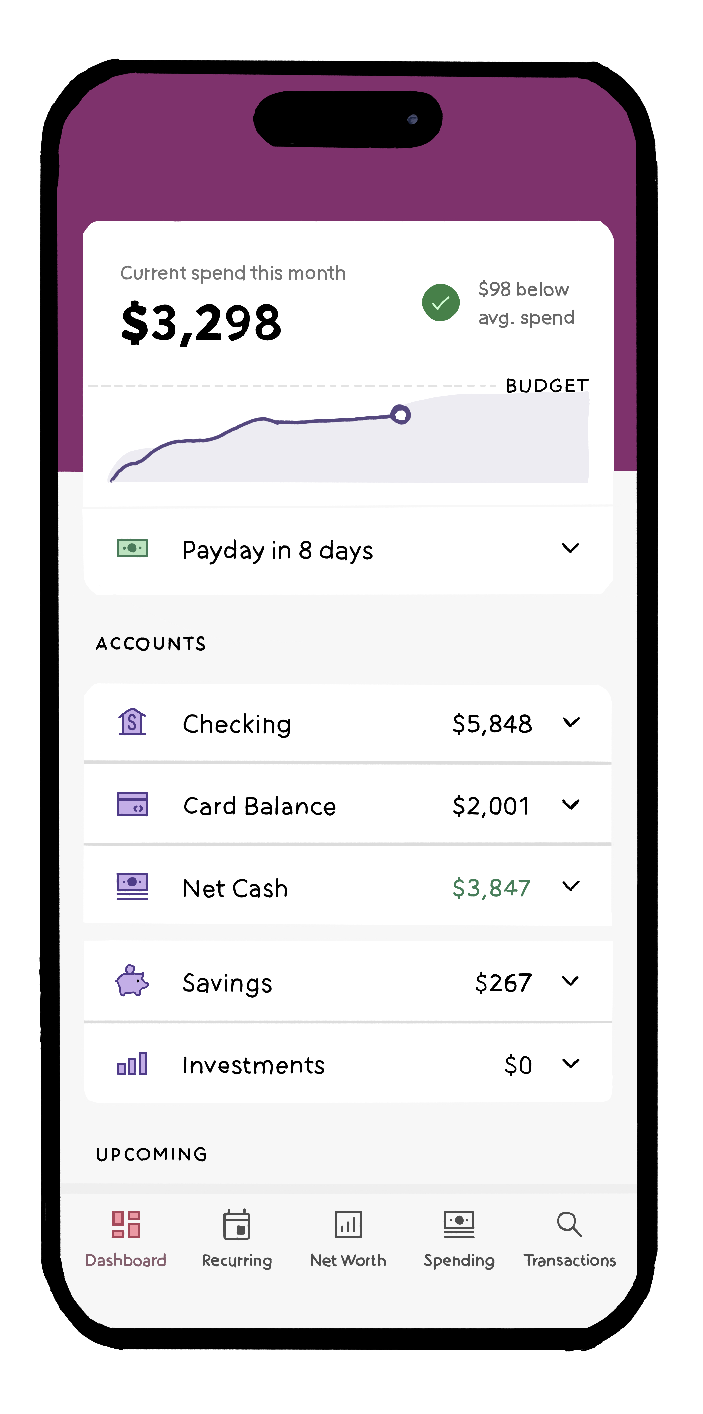
The subscription economy now creates another dilemma, as subscription services track other subscriptions. Platforms like Rocket Money track repeated payments to help users cancel their memberships. According to CNBC Select, demand for subscription-tracking apps continues to rise as consumers seek better management over their finances and control frequent subscription price changes. Most users now pay an additional monthly fee to organize the subscription they already purchased.
In recent years, South Korea has skyrocketed into a similar dilemma. Korea’s growing subscription businesses now shift toward OTT platforms, AI tools, game memberships, food delivery, and retail plans. Multiple discount offers through mobile payment platforms such as Kakao Pay and Naver Pay make periodic payments appear affordable and effortless.
Young Korean consumers also express frustration with subscription fatigue. The Chosun Daily reported that customers question whether subscription services justify their monthly finances. The Journal of Cybercommunication Academic Society found that duplicate video platforms, elevated prices, and platform choices increase consumer burden and encourage cancellations. The research defines this behavior as choice overload, a condition where too many options cause increased stress.
Recently, Gen Z consumers have returned to DVDs, vinyl records, CDs, and older iPods as those devices don’t require endless payments. Instead of freedom, unlimited digital access creates burnout for some. Chisom Okorafor, a student journalist from the San Francisco Foghore, said, “In the digital era, companies use subscriptions to make you rent things you used to be able to buy.
Subscription services still provide benefits. Monthly payments lower entry costs for expensive products and allow students or younger consumers to access services they could not afford. Companies also benefit from the fund for updates, database maintenance for cloud services, and the expansion of their content libraries. Convenience still attracts millions of consumers worldwide.