







































I’ve owned Apple phones since iPhone 5 and spent seven years within the ecosystem. Before the rise of artificial intelligence, Apple epitomized innovation.
In 2024, Google, the parent company of Android, began to integrate its AI features directly into its mobile software. With Pixel, Google’s phone brand, the company envisioned Artificial Intelligence (AI) as an essential part of the user experience. While Google innovated its assistant with Gemini, its state-of-the-art AI model, Apple lagged in developing its own.
Apple had pledged a revolutionary Siri (Apple’s flagship AI model) upgrade for years, but persistent development setbacks in delivering it on time forced the company to scale back its ambitions. This pattern led users to question Apple’s ability to deliver on its promises. Ultimately, I decided to switch to the Google Pixel 9.
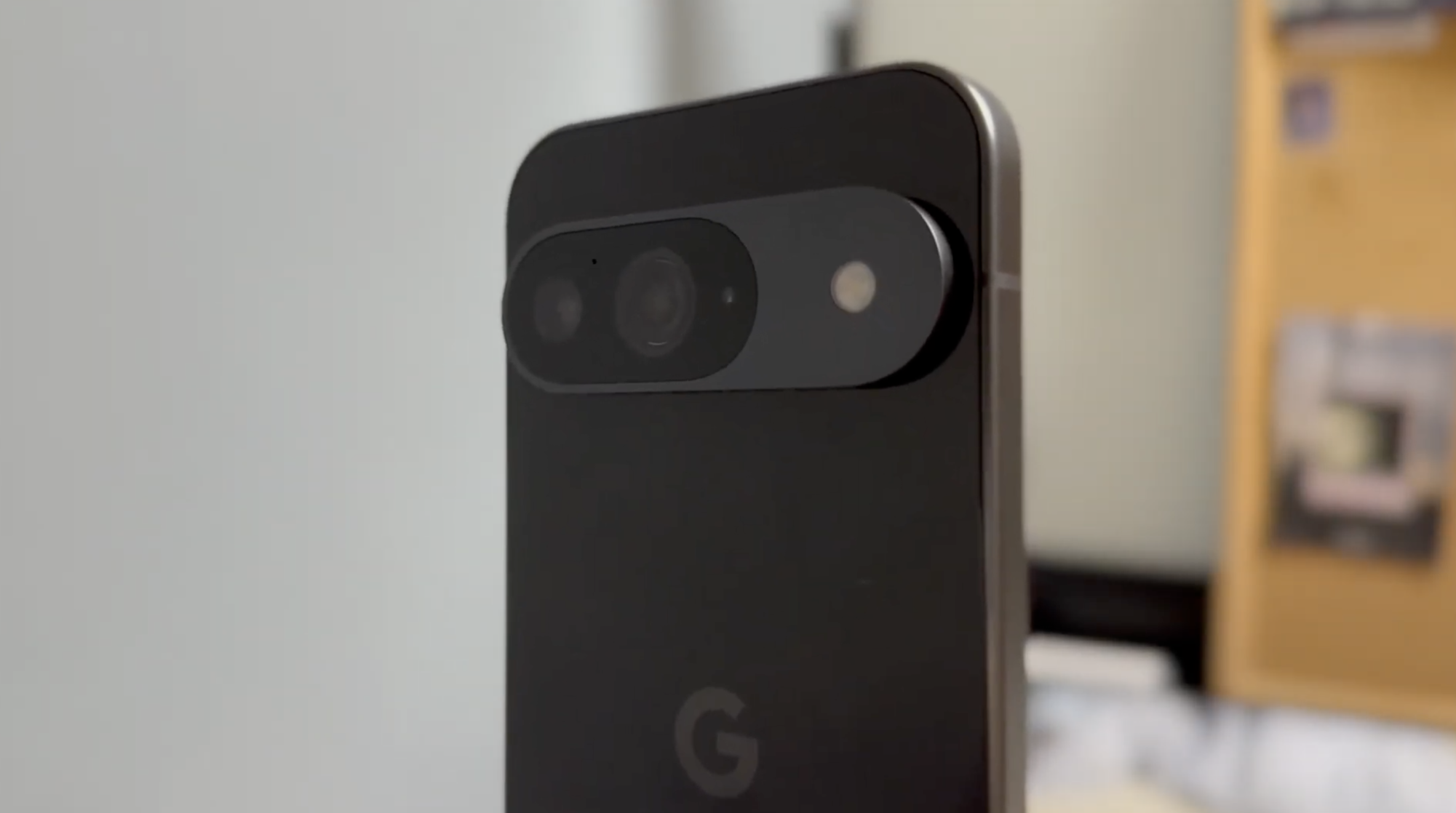
For years, Apple compelled me to buy more products by making them work together almost effortlessly. My iPhone synced instantly with my MacBook and iPad through iCloud, and shared services created a unified workspace. The deeper I invested, the harder it felt to leave.
Changing to Android showed how tightly Apple’s ecosystem locks users in. Messaging and data transfer gave me the biggest headaches. Apple’s iMessage continues to intercept texts even after I moved my SIM Card to my Pixel, and I missed messages until I deregistered my number in settings. The “Move to Android” app copied only part of my data: photos and notes; the personal files refused to transfer due to Apple’s different file formats. On top of that, my subscriptions — iCloud storage, Apple TV, Apple Arcade — lost their value the moment I switched.
After I activated my Google Pixel 9, the frustration spread across my remaining Apple devices. My iPad and MacBook still functioned, but I could no longer see my text messages and photos on them. My Apple Watch, which requires an iPhone to set up, tracked my fitness on its own and never could sync with my new phone. Even my AirTags, which once helped me find my wallet and bags, turned obsolete without an iPhone to locate them.
I eventually shifted to Google One for storage and YouTube Premium for music, but I still missed the polished, integrated ecosystem that Apple delivers.
Beyond these hurdles, the contrast between the iPhone and the Google Pixel sharpened. iOS, the iPhone’s operating system, restricts home-screen layouts and limits theme options, leaving users with only minor customization. Through Android, users can tailor nearly every part of their phones to their preferences.
Apple applies meticulous attention to both software and physical design. Every corner radius, on both devices and software, aligns with precision. Even though Apple and its competitors use similar materials, each brand employs unique manufacturing methods.
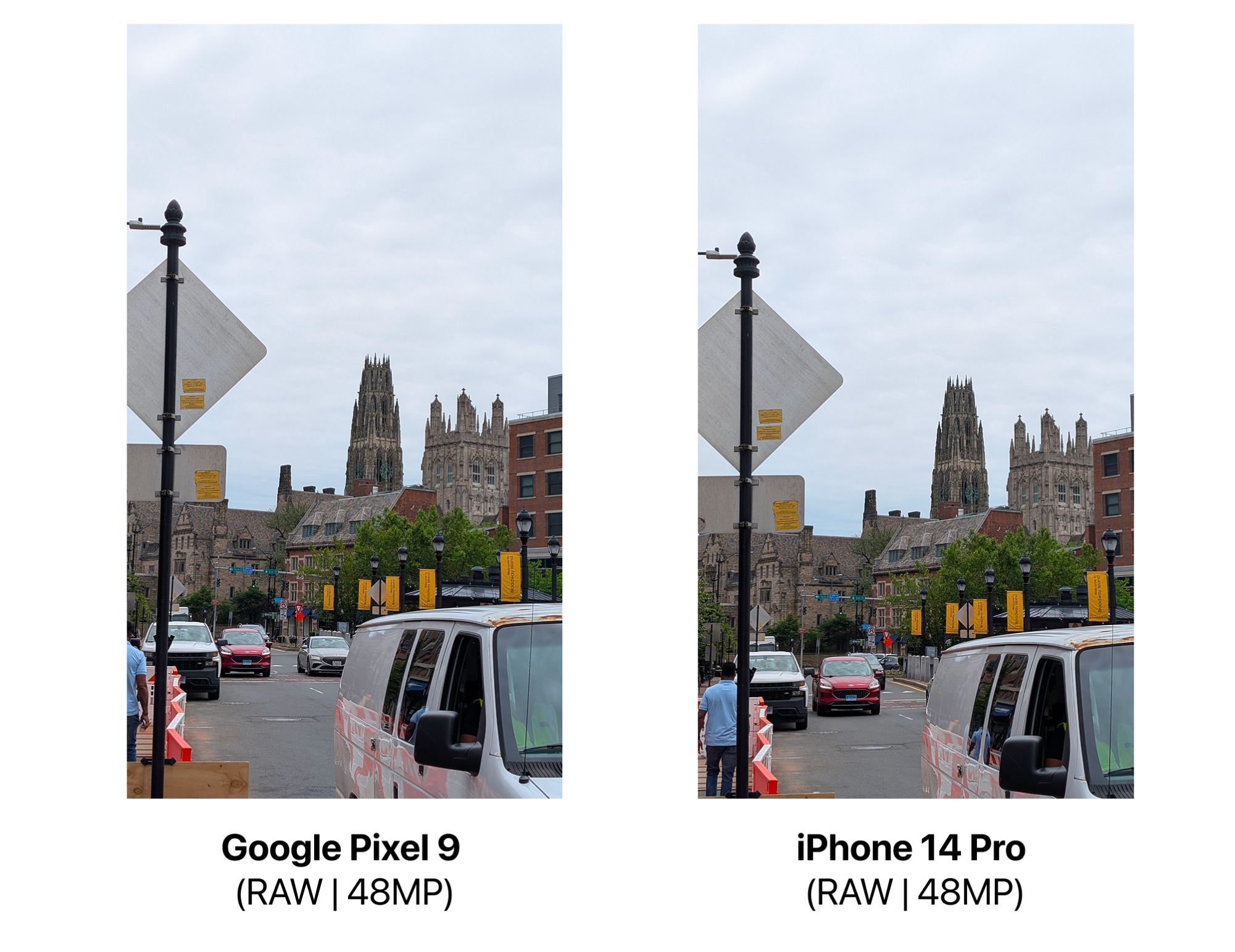
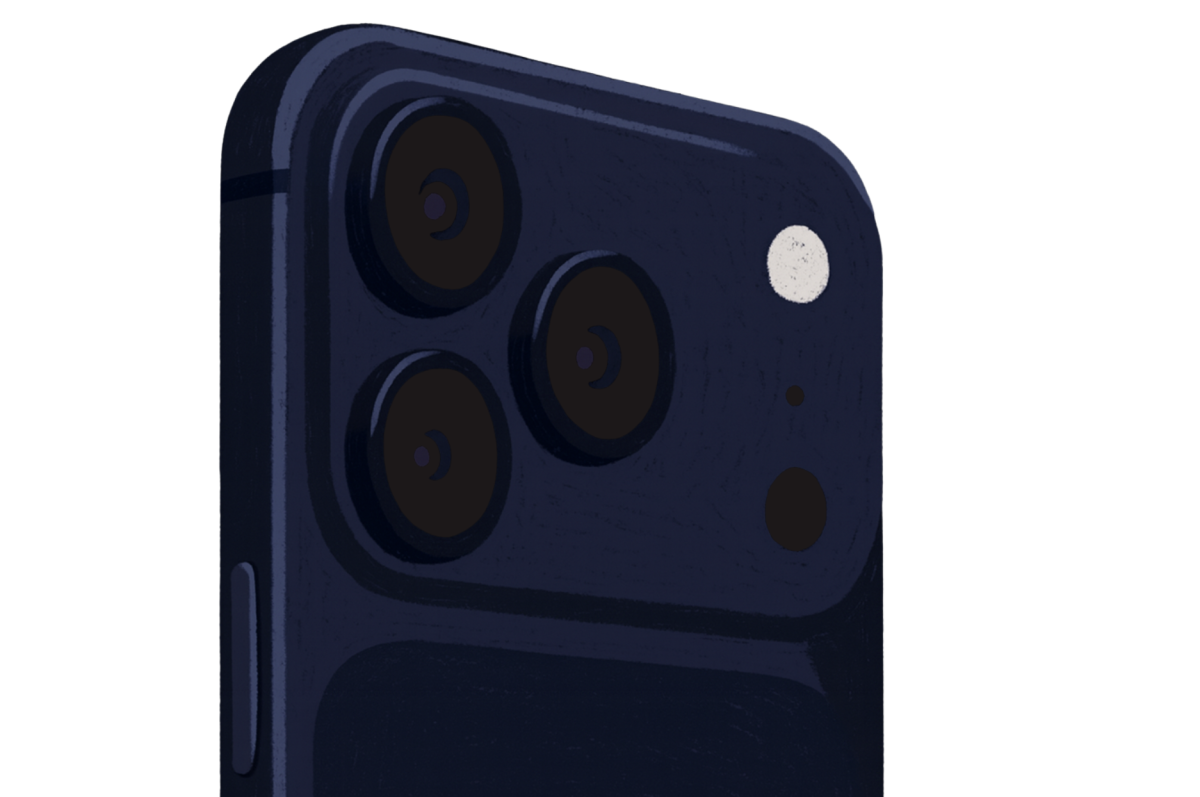
When it comes to cameras, my iPhone 14 Pro offers impressive ultrawide (48MP) and telephoto (12MP) lenses, but the Pixel 9’s dual main and ultrawide (50MP) lenses overall surpass them, despite Google’s tendency to overprocess colors.
Despite those color quirks, Pixel’s exclusive features, Call Notes, Pixel Screenshots, Recorder, Scam Detection, and Pixel Studio, won me over. Pixel Studio impresses most through its AI photo editing and art-style background generation.
My experience isn’t universal, but Google’s AI convinced me to switch away from Apple. Apple’s complex ecosystem can make it difficult for users to leave. Ultimately, I realized I didn’t enjoy Apple’s user interface. With Android, I finally have the freedom to personalize my phone’s look and performance.