

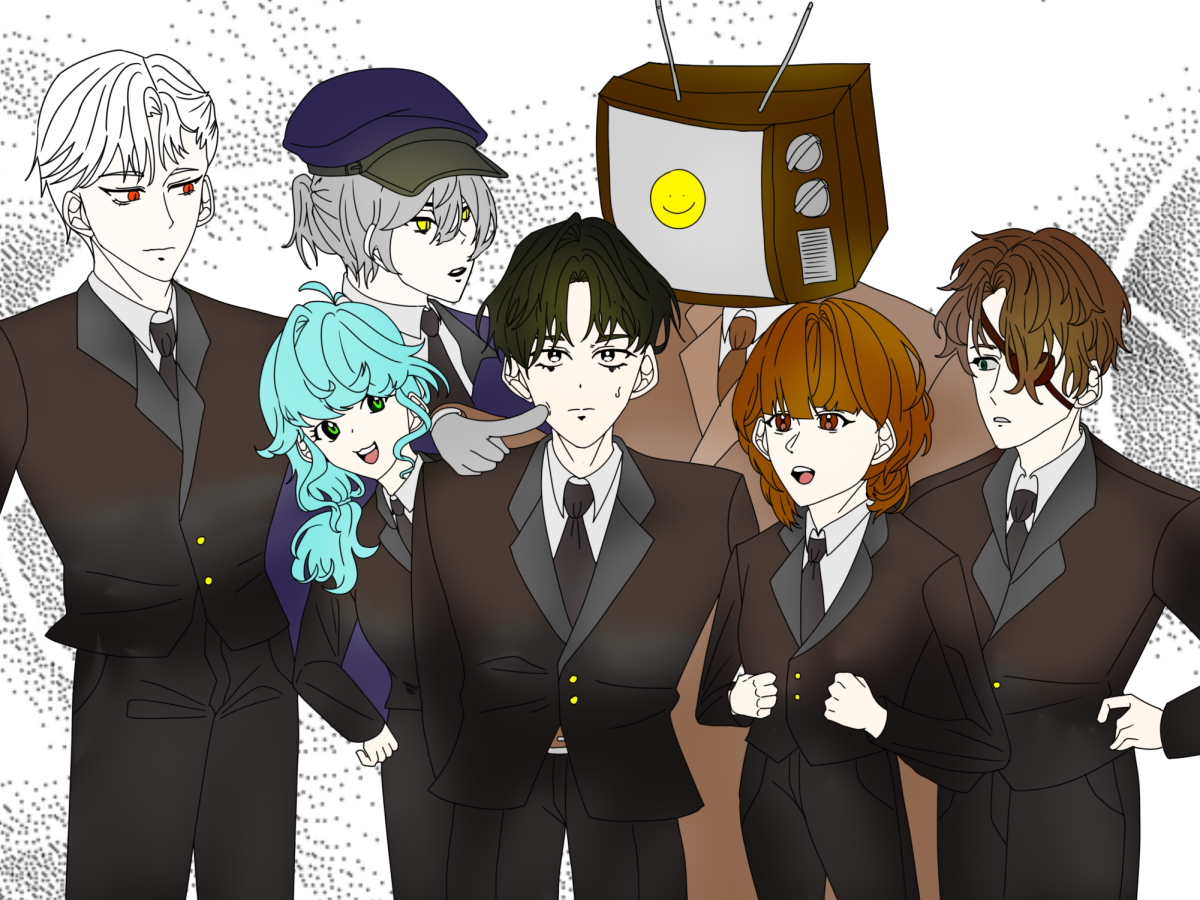



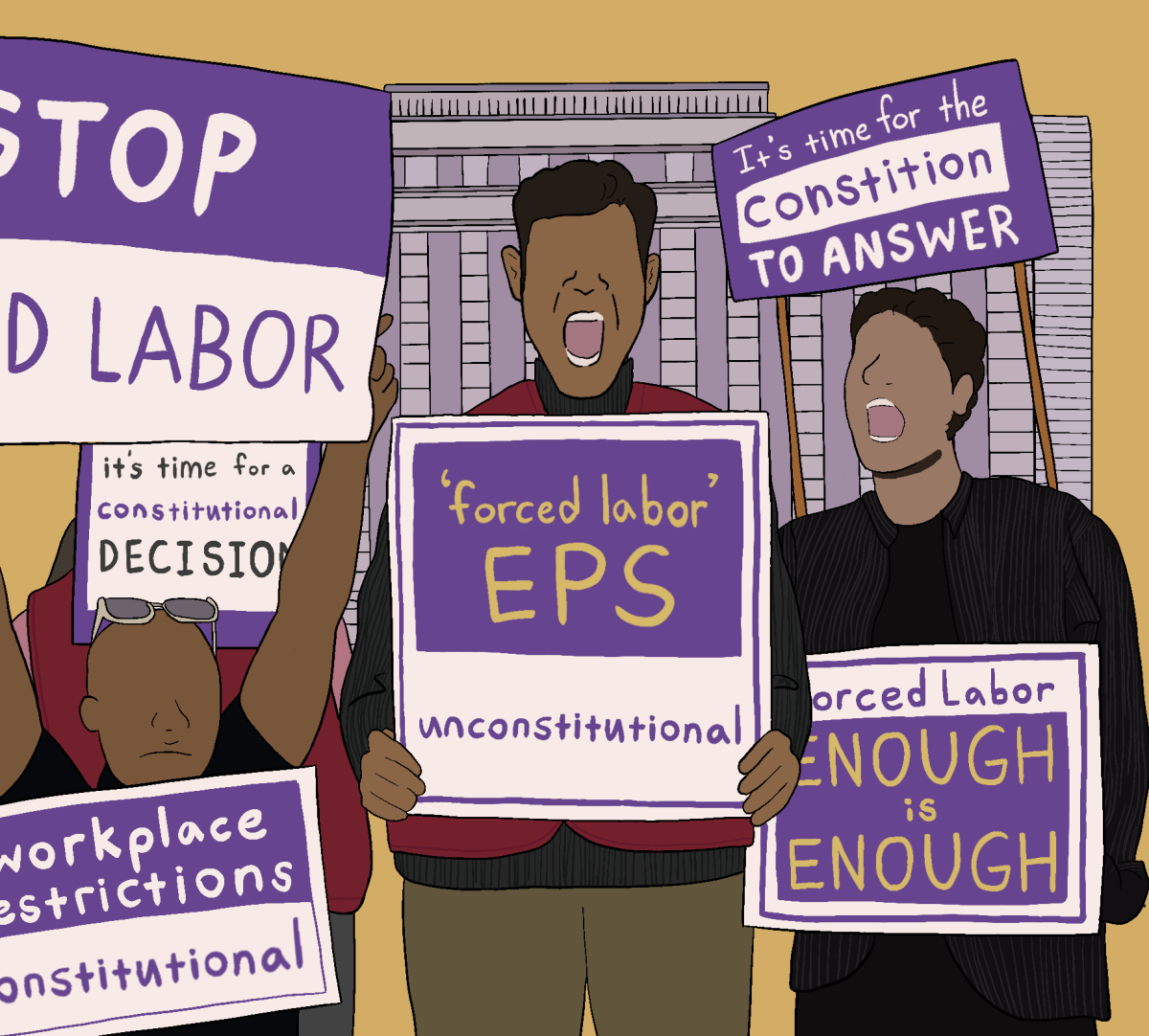
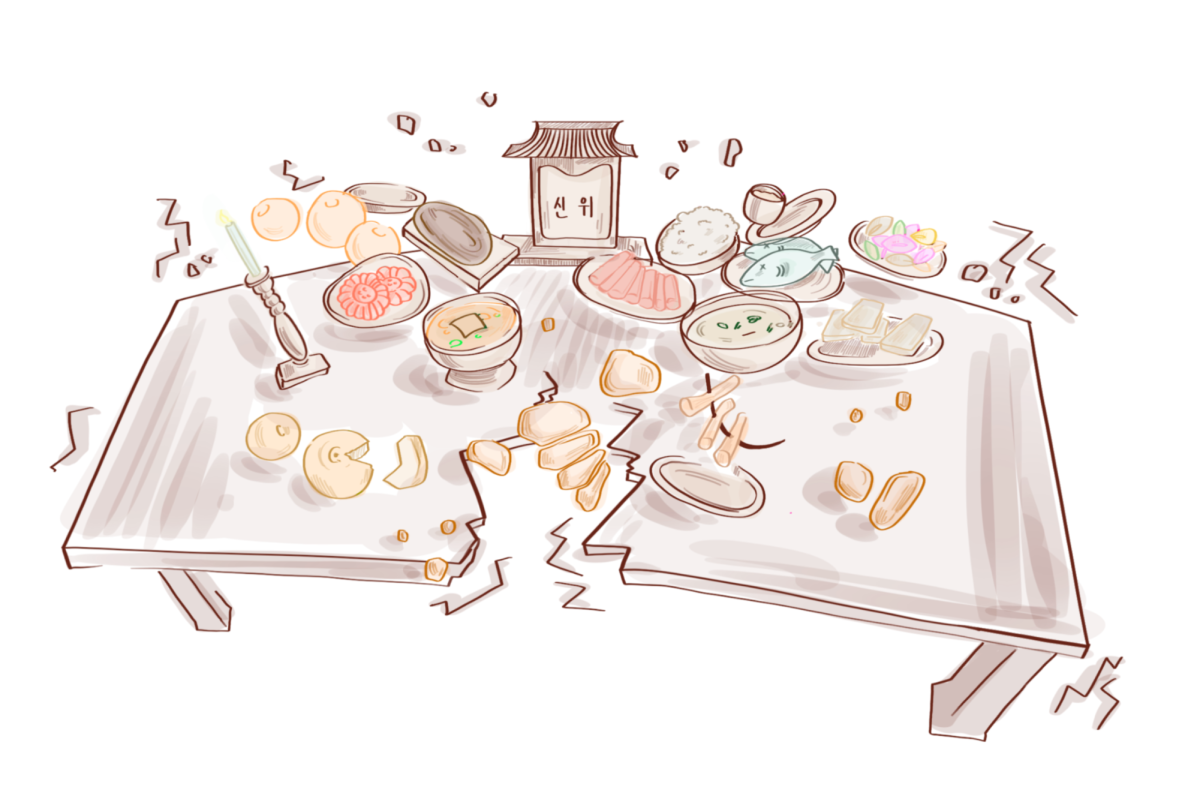










Women toil in the kitchen, navigating the ritual preparation of elaborate feasts, while men remain peripheral to the labor behind the ceremony. Tables overflow with fish on lacquered wooden plates and fruit stacked high – a hidden abundance arranged as devotion. Yet beneath this reverence, gendered hierarchies and Confucian order persist under the banner of tradition, unquestioned, simply because “that’s the way things are.” When tradition normalizes inequality, can we still call the ritual an act of remembrance?
The essence of death and ancestral memory
As a commonly practiced Confucian memorial rite in Korea, Jesa, hosted by the eldest son, is performed to honor ancestors and deceased relatives, typically up to four generations. Jesa encompasses the general Korean ancestral ceremony, while charye specifically names the holiday rites performed on Seollal (lunar new year) and Chuseok (Mid-autumn festival).
Both reflect the belief in a continuing relationship between the dead and the living, defining the core Confucian values. This belief anchors the dead to the material world while offering the living (the descendants) protection, prosperity, and generational continuity. Therefore, the living carry the duty to pay tribute and utmost respect through filial devotion.
Deeply rooted in early shamanistic ideas of spiritual continuity and Chinese Neo-Confucianism, Korean’s relationship with grief and commemoration not only gravitate towards supernatural beliefs but to ancestral veneration. Jae-woo Sim, department of Humanities at The Academy of Korean Studies, said, “Ancient rituals that were believed to connect with the gods and the deceased likely existed from the Joseon Dynasty. Over time, these practices developed into forms of ancestor worship. With the introduction of Confucianism, they became systematized and institutionalized into the structural ancestral rites we recognize today.”
Built on Confucian familism – the prioritization of family over the individual – Jesa affirms an unbroken transmission of life and time through filial piety. Within this worldview, life comes as a gift from one’s parents and forebears, creating a moral obligation of gratitude. While death represents the finality of existence, Jesa dissolves the boundary between the living and the deceased, treating the dead less like a departed entity than a presence still owed deference. What is biologically irreversible becomes, in ritual, partially negotiable.
Invisible gendered hierarchy and formality fatigue
But beneath the veneration still lies something rigid: a social structure organized through hierarchy and gendered obligation. Although these cultural relics center on remembrance, Confucian thought or ‘yugyo sasang’ (유교사상), orders relationships between husband and wife, father and son, ruler and subject, parent and child, and elder and younger. In practice, this reinforces patrilineal succession and male ritual authority derived from the Joseon Dynasty.
As the symbolic responsibility remains with the eldest son, the patriarchal structure of the ritual often places disproportionate responsibility on specific family members, particularly the wives and the daughters-in-law who often carry labor-intensive tasks of preparing elaborate feasts. The wife traditionally helps honor not her own ancestor but her husband’s, revealing a deep-seated Confucian patriarchy in Korea. This systemic imbalance between performative authority and labor has increased tensions within families.
Sim pointed to the hyper-masculine dimension of Korean society, where coercive family traditions have historically elevated masculine dominance and overlooked feminine sacrifice. “The expectation that women should submit to their husbands appears to have been regarded as a desirable moral virtue in traditional Korean society. Over time, this established a broader culture in which ancestral rites like Jesa, along with inheritance practices, became centered around men.”
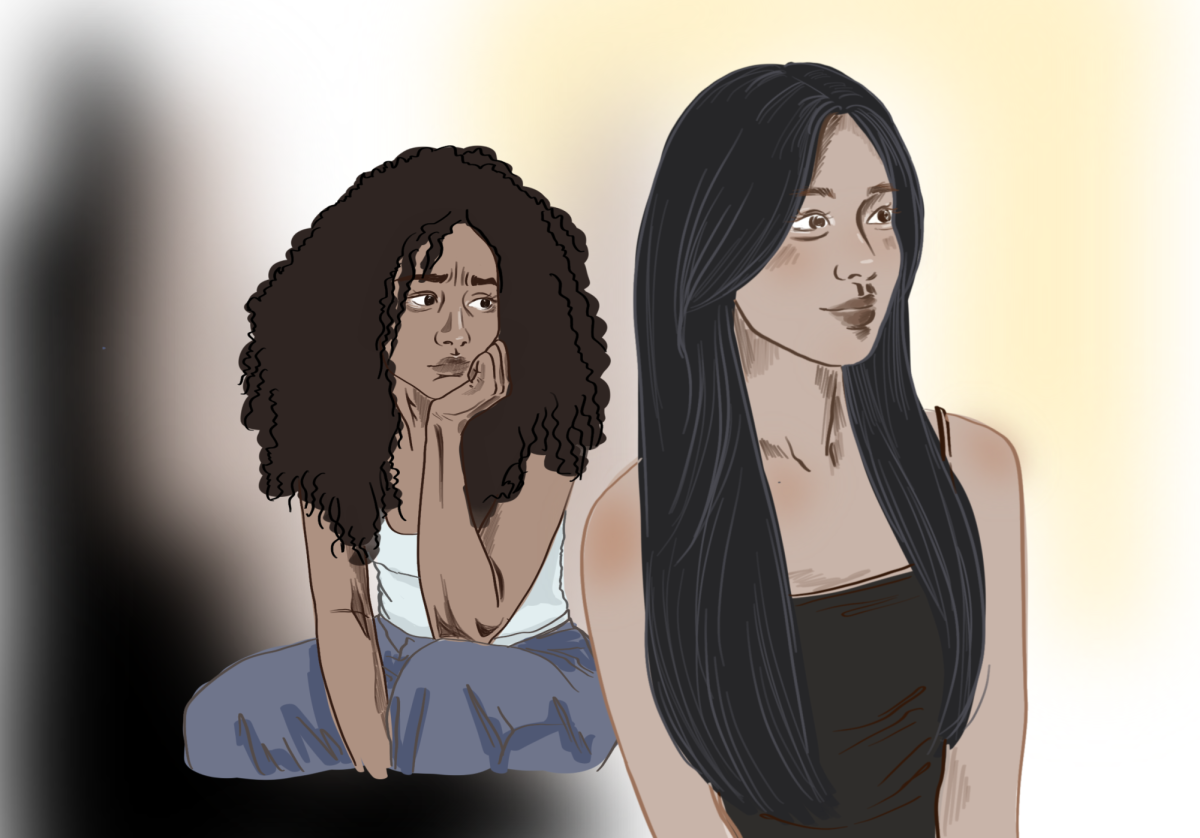
Korean familism lingers as a cultural unconscious, passing down traditional ideals of patrilineal descent, filial duty, and ancestor worship. These pastimes normalize and solidify the patriarchal vision of an ‘ideal family,’ making male authority, women’s ritual labor, and devotion to husband’s family line appear more natural than socially constructed. Subconsciously, labor and inequality too, becomes an inherited quality; passed from one woman to the next. The devaluation of living female labor only reinforces this involuntary, liminal state, where a woman’s own identity is suspended to serve others.
Yu, a 70 year-old Seoul resident who had upheld the tradition for 52 years before putting an end to it this year, said, “If my husband had lent me a hand in the kitchen, it would have been only natural for my son to follow his example – because that’s what he would have grown up seeing. Since that wasn’t the case, he has simply come to think that [jesa] is women’s work.” This myth of the ‘selfless’ caregiver perpetuates a vicious cycle in which women become trapped under the shackles of housework, an intergenerational burden.
Confucian confusion
Divorce filings increased by 10% over the course of 30 years and over 58.1% of married women report that the national holiday, Chuseok, brings significant stress and a sense of discomfort when visiting their husband’s family as marital dissatisfactions tend to erupt during the week of Chuseok. Sibling quarrels, political, financial and marriage disputes escalate into domestic violence, and in extreme cases, even familicide. Reporting over 5000 cases of domestic violence during the 5 day holiday, tables become war zones and the national holiday is reduced to a traumatic experience.
However, gendered obligation and holiday habits does not define every Korean household, nor does it solely account for the decline of Jesa. Many families now divide and negotiate even distribution of labor, with men helping in the kitchen and younger generations questioning old expectations. The weakening of Jesa also reflects the broader transformation of Korean death culture. Korea’s cremation rates reached 93.6% as of June 2024, shifting away from traditional burial-centered ancestral commemoration. Market-shaped performance in death-care industries turn funerals into material displays, endangering the communal acts of mourning and spiritual continuity.
Funerals, now measured by capital, commodify grief and sincerity that encircle death. As death becomes professionalized, annual family gatherings around ancestral graves diminish in value. This marks the rise of ‘funeral capitalism,’ where ancestral devotion now violently collides with a capitalist society that prioritizes efficiency over ritual memory. “Grass trimming at gravesites was once treated as common courtesy among family members, but as family gatherings take on different forms and families become more nuclear, fewer people remain to carry it out. This reflects, not neglect, but an unavoidable social shift,” said Sim.
According to the Rural Development Administration, 68.9% of families said they did not plan to perform Jesa in 2026, a 12.4% increase from the previous year. Another national survey on ritual culture found that 55.9% of the respondents do not intend to continue, with many expressing a desire to simplify it. Though the ritual developed in a historical context of large extended families and conformist social culture, Jesa now feels suffocating as nuclear families, dual-income households, and geographically dispersed relatives become the status quo in modern day Korea.
As of today, the slow death of this cultural relic almost denotes a kind of liberty, Yu said, “Starting with groceries and this rigorous labor, everything costs so much these days due to inflation. I wanted to free my daughters-in-law of that burden. I wanted to withdraw it.”
Rejection and normalization of Confucianism in contemporary Korean society
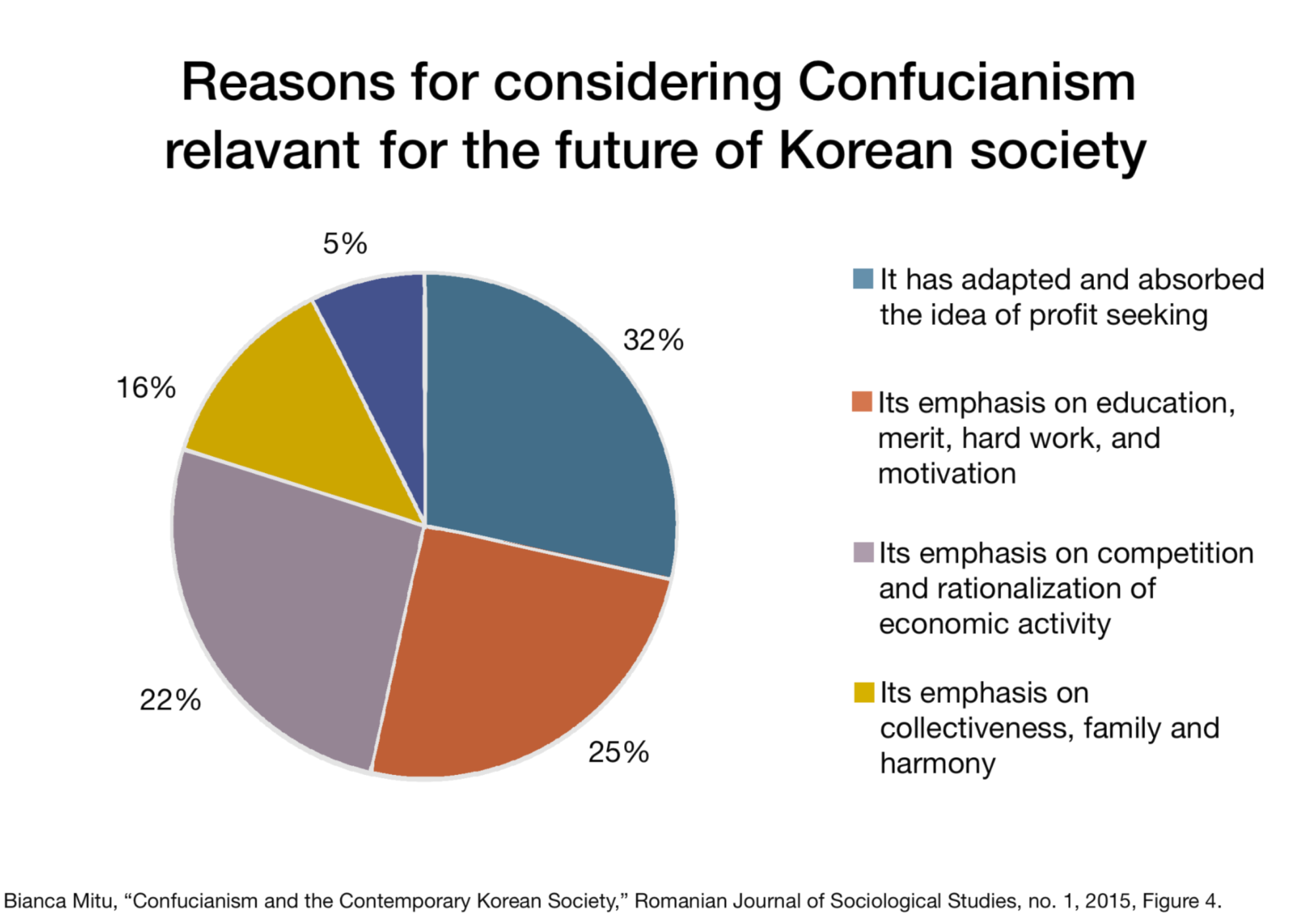
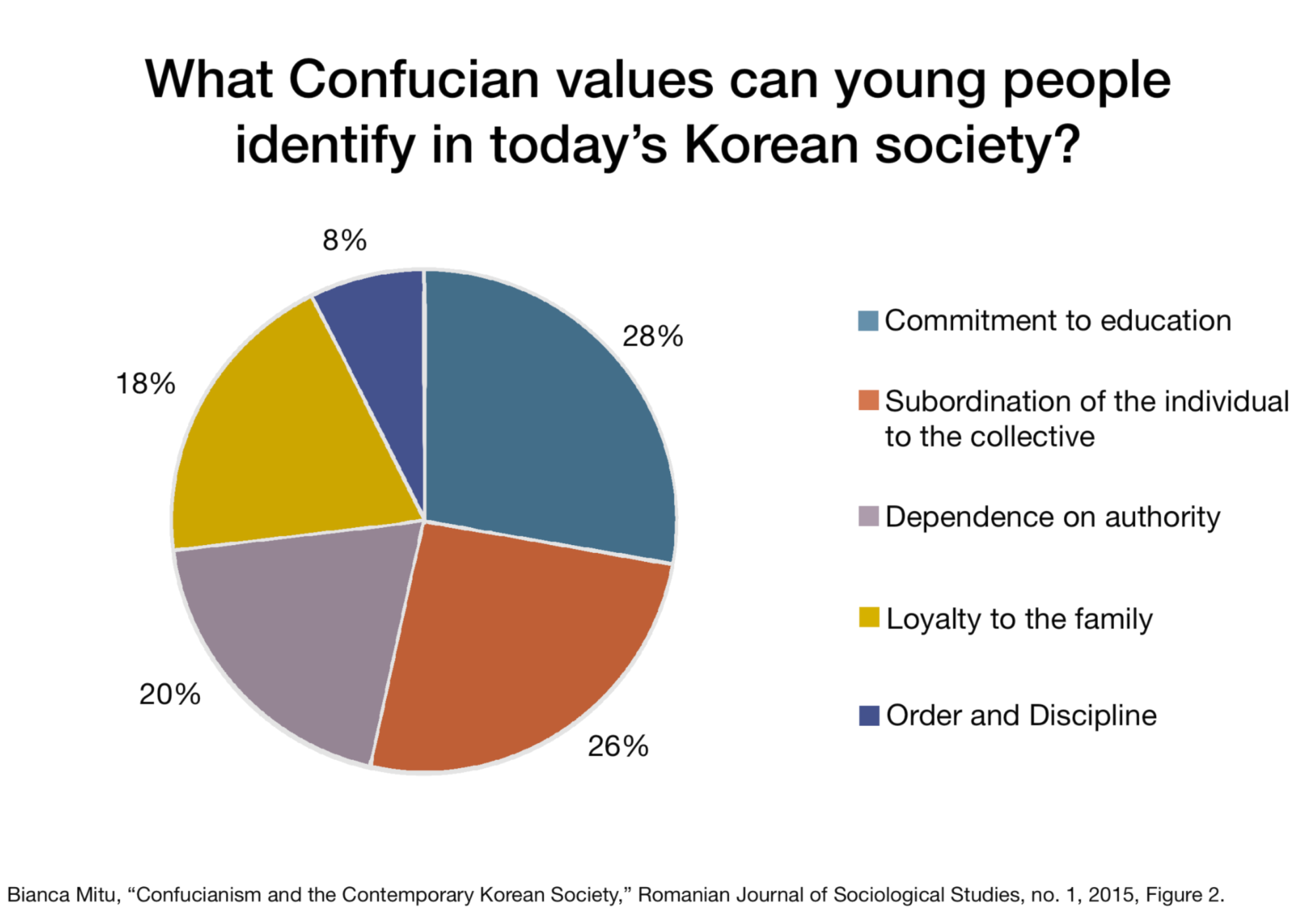
Confucian values remain embedded in Korean identity, almost undeniably present, meaning complete erasure of Jesa is both impossible and unnecessary. Ideas of filial duty, respect for elders, family continuity, and ancestral worship still resonate with many Koreans. However, under Korea’s ‘compressed modernity,’ capitalism, individualism, and western democratic practices developed alongside the deference-driven system.
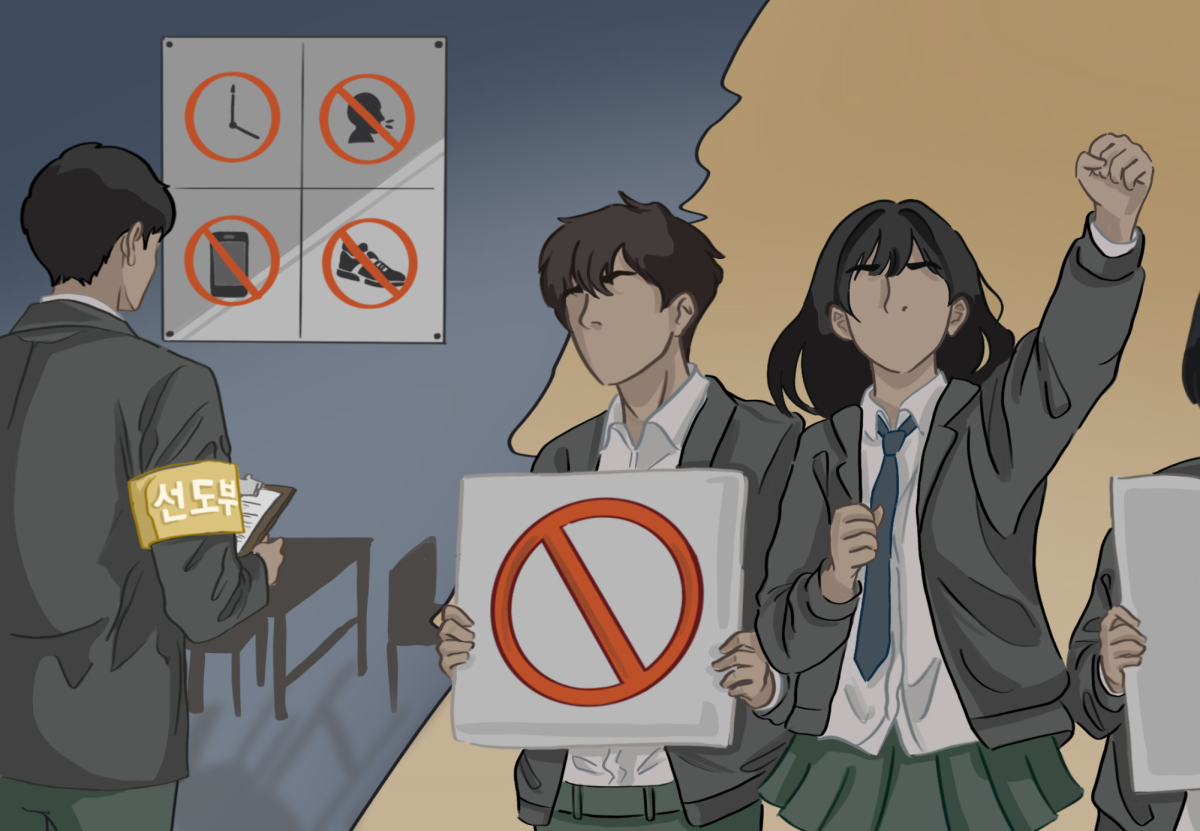
In recent years, Korea has observed a shift in moralistic values as the younger Koreans, especially Generation Z, now prefer non-hierarchical, horizontal relationships over gender- and age-based social hierarchies. Growing up in a transitional environment, the youth recognize both Confucian residues in family life (a collective unit) but also carry democratic expectations of fairness and civic consciousness. Gen Z’s proclivity for personal autonomy became another driver of cultural rejection.
The youth seems to question forms of ‘authority’ that legitimize top-down hierarchy. For many, Jesa feels incompatible with their identity and modern values of gender equality and linear relationships. This ironically creates a hierarchy of ideology: a dominant and a subordinate. Although Confucian values serve as the dominant ideology, its emphasis on collective harmony and subservience become flashpoints for social critique and generational divide.
The necessity of the ritual is also brought to question. They challenge the ancestral obsession that blinds and binds a nation to female subordination, patrilineality. As Korean society becomes more individualistic and modernized, traditional practices like Jesa are constantly questioned. Often honoring the ‘ghosts’ and having failed to recognize the living who sustain it, the filial piety feels increasingly joyless and ever so rigid. Perhaps too archaic for the modern time, Koreans opt for simpler alternatives. Among many, Yu locates meaning in remembrance rather than formal ceremony. “Simply being remembered is enough. You might look through an old album—remember the person they were, the life they lived.”
Can the deceased save the living?
In contemporary Korea, where Confucian values and individualism coexist, the sincerity attached to Jesa will shift with the changing landscape. Sim said, “Change is inevitable, and I don’t think it’s right to argue that something must be preserved at all costs. I see that as going against the changes of times.” said Sim. Regardless, much can still be learned from the past.
The future of Jesa may depend on hybrid simplification: reducing the amount of food served, sharing labor to ease the physical burden, and allowing informal family gatherings. Verbal remembrance, simplified altars, and flexible gathering may preclude the ritual from reproducing the same exhaustion. Hybridity is less about reinforcing old ideals, but about whether it can include the ideals of contemporary society and feel the social atmosphere: gender equality, individual autonomy, shared responsibility, and inclusivity.
Suspended between the old and the new, Jesa tests what Korean society truly wants to preserve: ancestral memory itself, or the hierarchy that has long governed it. “What truly matters is the spirit of remembering and honoring one’s ancestors,” Sim said, “rather than the formalities of the rite itself.” The ritual survives by loosening its grip, honoring the living as much as the dead.


. • May 28, 2026 at 9:48 pm
i feel like the whole point jaesa’s are slowly getting irrelevant from the original too. it feels more like we’re only doing it because we’ve been doing it