











































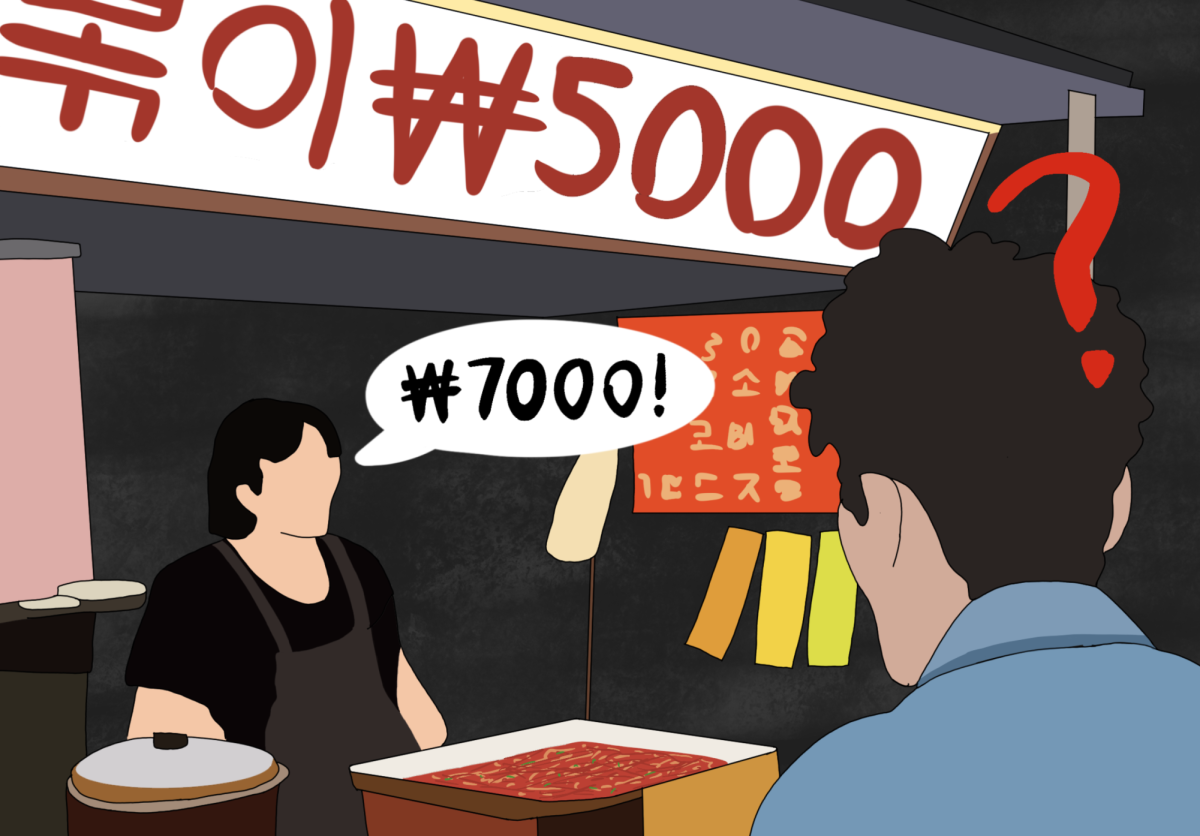
“Cup tteokbokki: 3,000 won,” signs in Gwangjang Market read. Unfortunately, the product disappoints tourists’ high expectations. The cup only contains six pieces of tteokbokki. Once celebrated as a symbol of Korea’s culinary heritage, Gwangjang market now finds its reputation clouded by a different image: one of unchecked opportunism.
Originally a market for textiles and household goods, Gwangjang burgeoned as K-street food and snacks boomed with the K-culture wave. The market evolved into one of the country’s most iconic hubs. Yet the surge in popularity triggered Gwangjang’s deterioration. Some vendors began charging exorbitant prices — a single fish cake skewer priced at 1,500 won or a sausage for 3,000 won. These prices, 50% more expensive than typical rates, drew widespread criticism online.
Furious netizens uncovered a slew of equally exploitative violations. Multiple vendors refused to accept credit cards to evade taxes. While the Gwangjang Merchant Association delivered a prompt response to the first few merchants, poor follow-up left the initiative in shambles. Disputes between sellers and customers echoed throughout Gwangjang’s streets.
This even extended into outright fraud, where vendors charged naïve customers with higher prices than disclosed in the menu. These merchants strongly insisted on pricier menus and oftentimes forcibly changed orders to serve their own agenda under the name of “recommendations.”
These phenomena stem from rapacious motives to earn money from uninformed tourists. As most – especially foreign tourists – visit only once, sellers prioritize profit at the expense of morality and customer trust. Since the controversy began in 2022, Gwangjang has increasingly faced the consequences of the immorality of select vendors—as credibility plummets, fewer people populate the once-busy streets. While the backlash began domestically, it has permeated internationally as tourists become aware of the controversy.
The subsequent decrease in profit across the board brewed tensions within the market as well. Infuriated owners of permanent stores, who claimed the loss of credibility cut their revenues in half, submitted 200 petitions reporting unethical sales practices of about 250 stalls that harmed the market’s reputation as a whole. Subsequently, they united under the Gwangjang Traditional Market merchants’ association to file a three billion-won lawsuit. While the lawsuit itself remains in a stalemate due to slow-going investigations, it illustrates the irreversible harm ethical vendors face.
The Ministry of SMEs and Startups, along with the Seoul Metropolitan Government, pledged stricter oversight and clearer regulatory standards, such as mandatory service education and payment transparency. In particular, they proposed a price-display rule that requires stall owners to charge only the amounts listed on their menus. However, even this ambitious plan merely parroted abortive policies proposed and implemented many years ago. Unconventional policies proven to fail cannot return Gwangjang to its former glory.
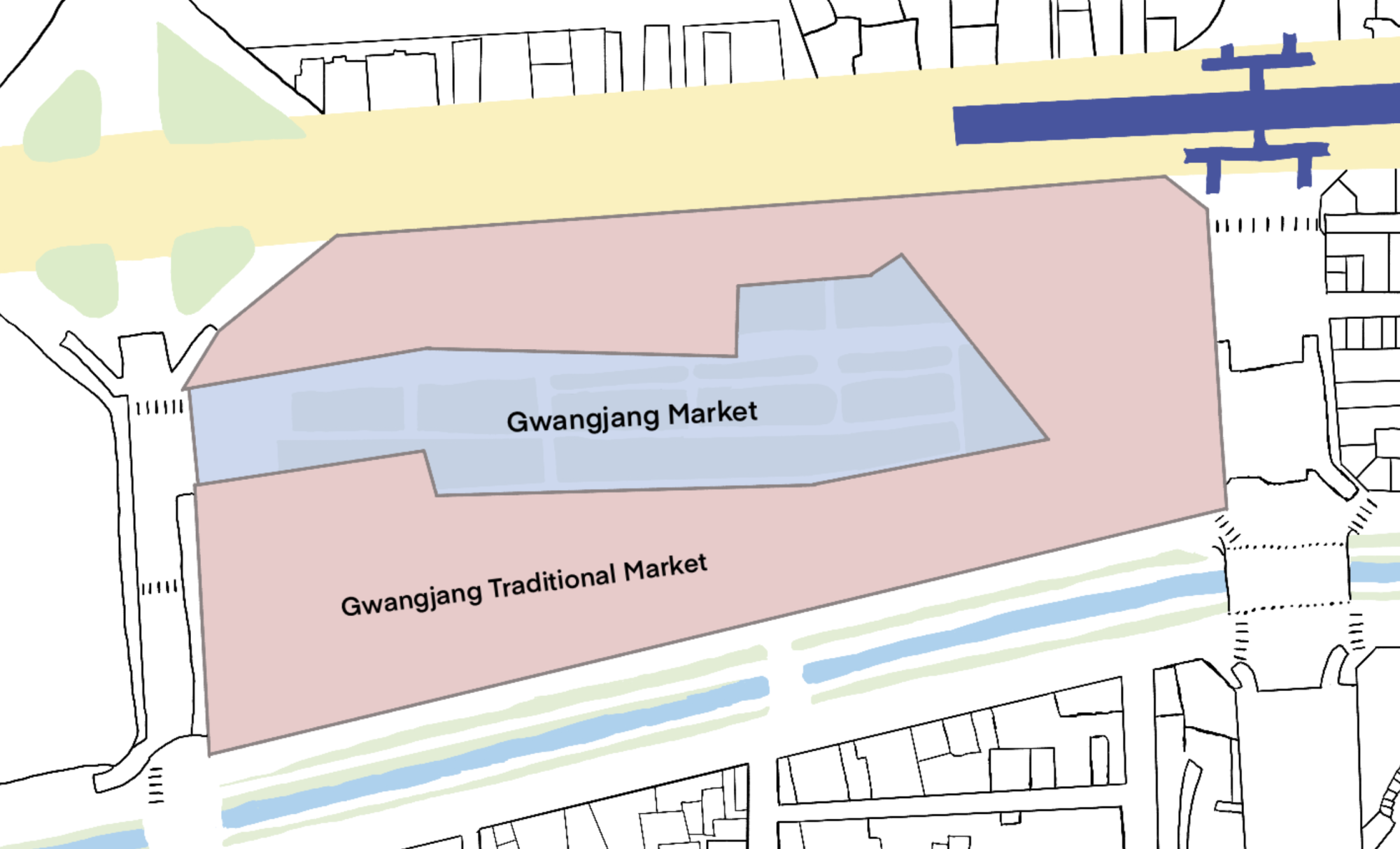
(Jack Lee)
The government had previously implemented regulatory measures to ensure price transparency policies and vendor oversight in 2023. However, the vendors’ lack of cooperation and the governments’ inability to follow through on the regulations they proposed deemed this policy ineffective.
Given the exploitative nature of current malpractices, ‘education’ alone may fall on deaf ears. Rather, the government must balance enforced regulations with efforts to change Gwangjang’s avaricious profit structure. For example, the government could incentivize merchants by creating reward systems for vendors who have performed better than average in monthly evaluations.
On the flip side, the government must also strengthen monitoring standards and enforce regulations. They should delineate clear penalties for repeat offenses. Only then will these policies exist in substance, not just in name.
The case of Taiwan’s Shilin Night Market demonstrates how strong and consistent regulations can disincentivize illegal activities. Taipei city underwent strenuous efforts in 2023 to investigate over 800 street vendors and audit all the necessary components of a healthy market: payment, hygiene, traffic, and customer service. With regulations maintained to this day, the Shilin night market has effectively reduced criticism from tourists and Taipei locals.
The unethicalities, their implications, and current lackluster efforts to turn the tide raise the question: Is Gwangjang a traditional landmark or a national humiliation? While some vendors now refrain from unethical practices in fear that they will lose tourist customers, some persist.
If the current service continues, Gwangjang may exponentially damage Korea’s hard-earned reputation as a cultural hub. “Gwangjang market is often a first gateway to Korea for many visitors, and restoring trust is essential not only for the market’s survival but for protecting national credibility,” said Lee Byung Kwon, second vice minister of Small and Medium-sized Enterprises and Startups.
For Gwangjang to sustain its status as a cultural landmark, reforms must overhaul both institutional oversight and vendor mindset. The market now faces a clear choice: pursue short-term profit at the expense of integrity, or make amends to rebuild its reputation to restore its former glory.