














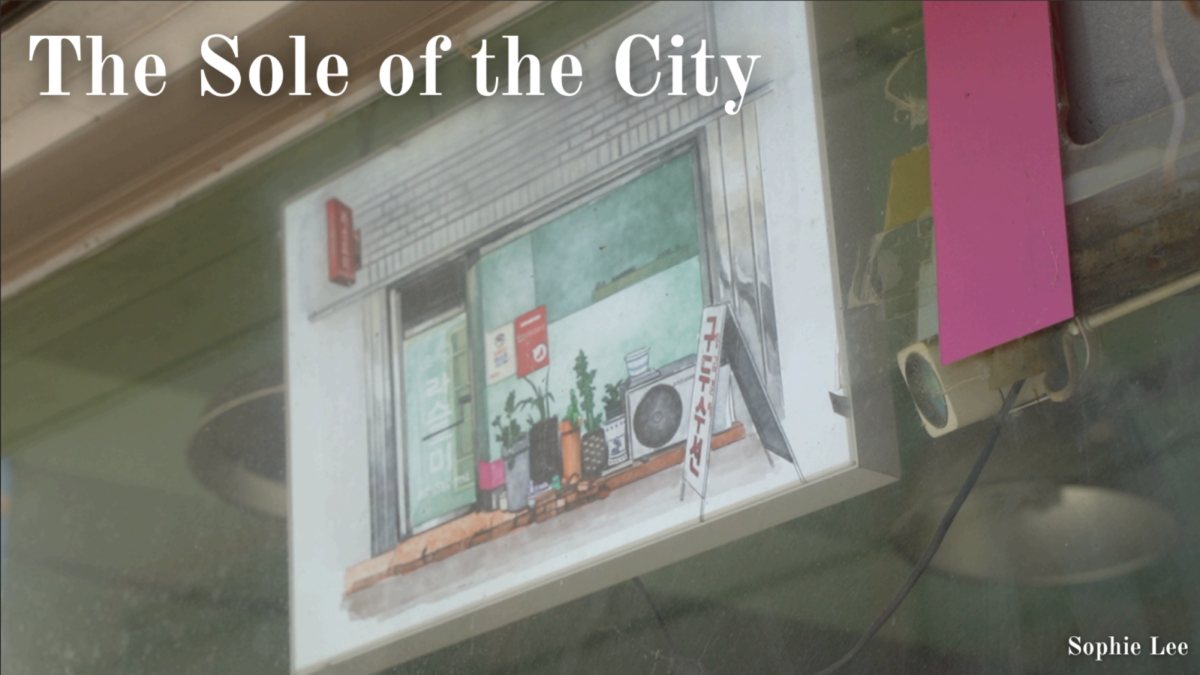





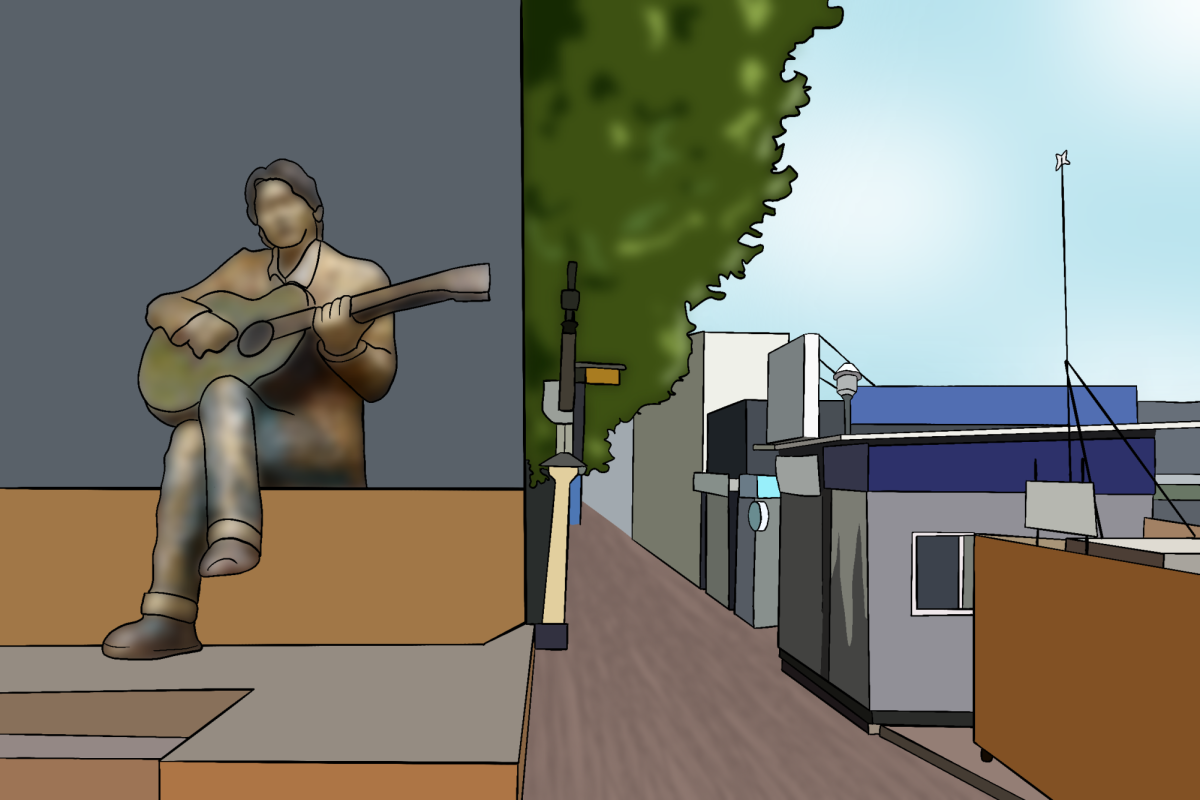
Winter in Daegu typically draws waves of tourists and eager shoppers to the streets that revive local commercial areas with festive energy. Yet, Kim Gwang-seok Street, built in remembrance of the late folk rock singer, has settled into recession as local retailers suffer through another year of futile competition with one another.
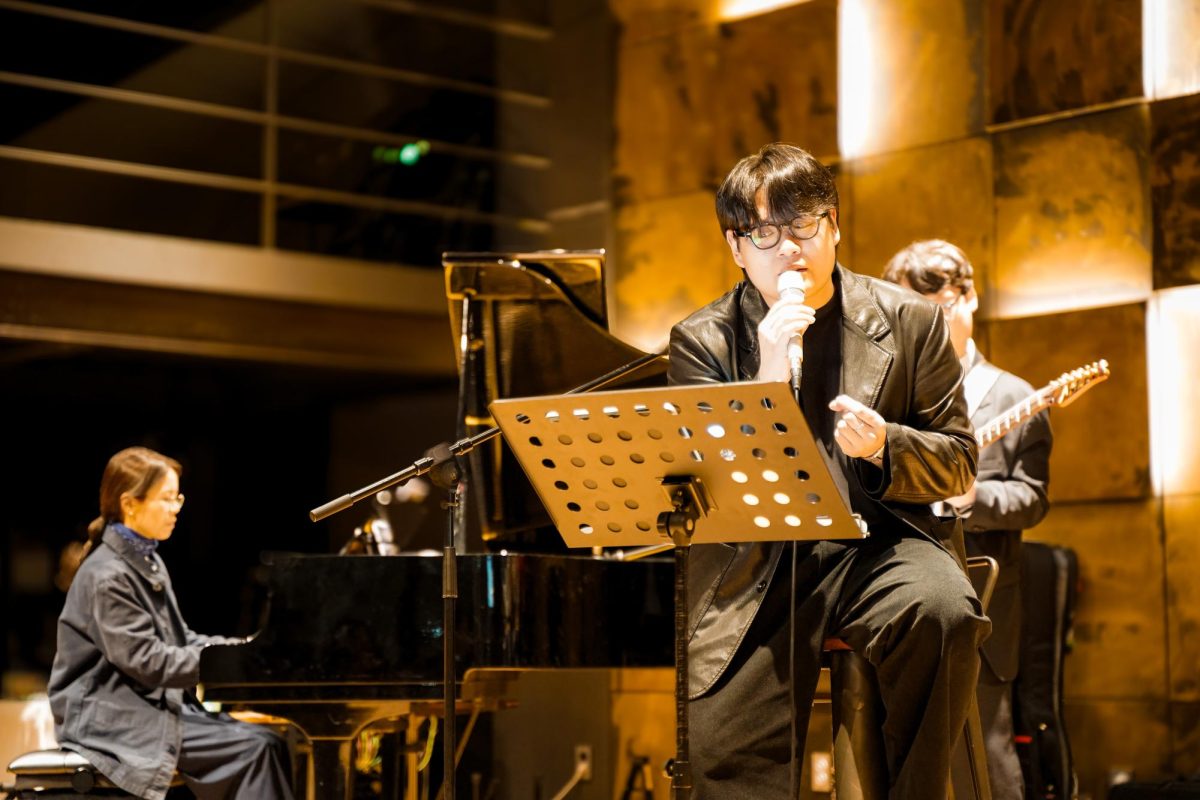
Once acclaimed as one of Daegu’s proudest cultural success stories, Kim Gwang-seok Street began as an alley of cracked walls and dim lights. The city began to attract tourists in 2010 thanks to murals and performances by government-funded artists. At its zenith, the street drew as many as 1.4 million K-Indie and Kim Gwang-seok fans a year.
However, its rapid boom set the stage for its decline. Viral popularity brought huge crowds, and landlords responded with aggressive rent hikes. “In some cases, rent has risen by more than 100% in Daegu,” said Jeong-gap Gong, Chairman of the Daegu Gyo-dong Market Revitalization Zone Merchants Association. “Kim Gwang-seok Street has not regained its former popularity ever since.”
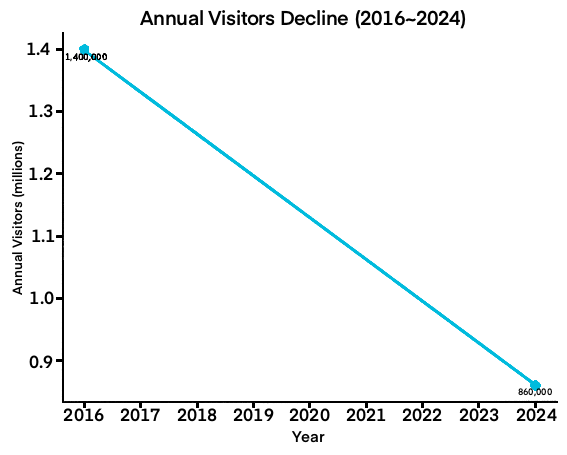
Young artists, weighed down by exorbitant rent, were forced out of their studios and replaced by generic services from photo booths to franchise cafes. “Due to excessive commercialization, the ‘Kim Gwang-seok DNA’ that differentiated the place has disappeared,” said Ik-geun Oh, Professor of the Department of Tourism Management at Keimyung University. “As a result, the possibility of people who have visited once returning has decreased.”
Small business owners bore the brunt of the venue’s decline. “When I first came in, the streets were a very warm and vibrant venue. But that only lasted about a year or so after I moved in to run this cafe. Now, it is quite hard to have a bustling afternoon in my work hours,” said Min-hee Kim, the owner of Coffee Myung-ga on Kim Gwang-seok Street.
Despite the urgency for reform, the city’s area revitalization measures reflect a long history of failure. Preoccupied with performance reports that emphasize quantifiable achievements, the city council rarely considers the long-term value of identity-building. Although the government funds over 2 billion won per district’s office to reinvigorate regions, the funding repeatedly funnels into short-lived initiatives – such as trivial festivals like “Kim Kwang-Seok Karaoke Night” and campaigns that offer little lasting impact.
As if to support this, contemporary approaches reveal their shortcomings. In 2020, the Jung-gu office announced plans to rebrand the district and stimulate spending through the launch of tourism offerings tailored to a “folk indie community.” Four years later, the plan produced no significant results. The failure arose from the cookie-cutter nature of such ‘tourism product’ policies.
With limited real-world input in government proposals, a new agenda grows increasingly necessary. Merchant associations and the district office must oversee the process of state policy enactments to ensure efficacy and practicality. Constant communication, data inputs, and steady execution hold the key to a successful renovation.
The future of the street clings to the city’s capability to restore the unique identity it once held – a cultural hub animated by talented artists, quaint vendors, and lively interactions. A concrete plan that streamlines public feedback and centers on local stakeholders is necessary until the street can flourish with customers.


EmmaFatina • Mar 26, 2026 at 5:51 am
So true! I like how you included a lot of data in your paper.