


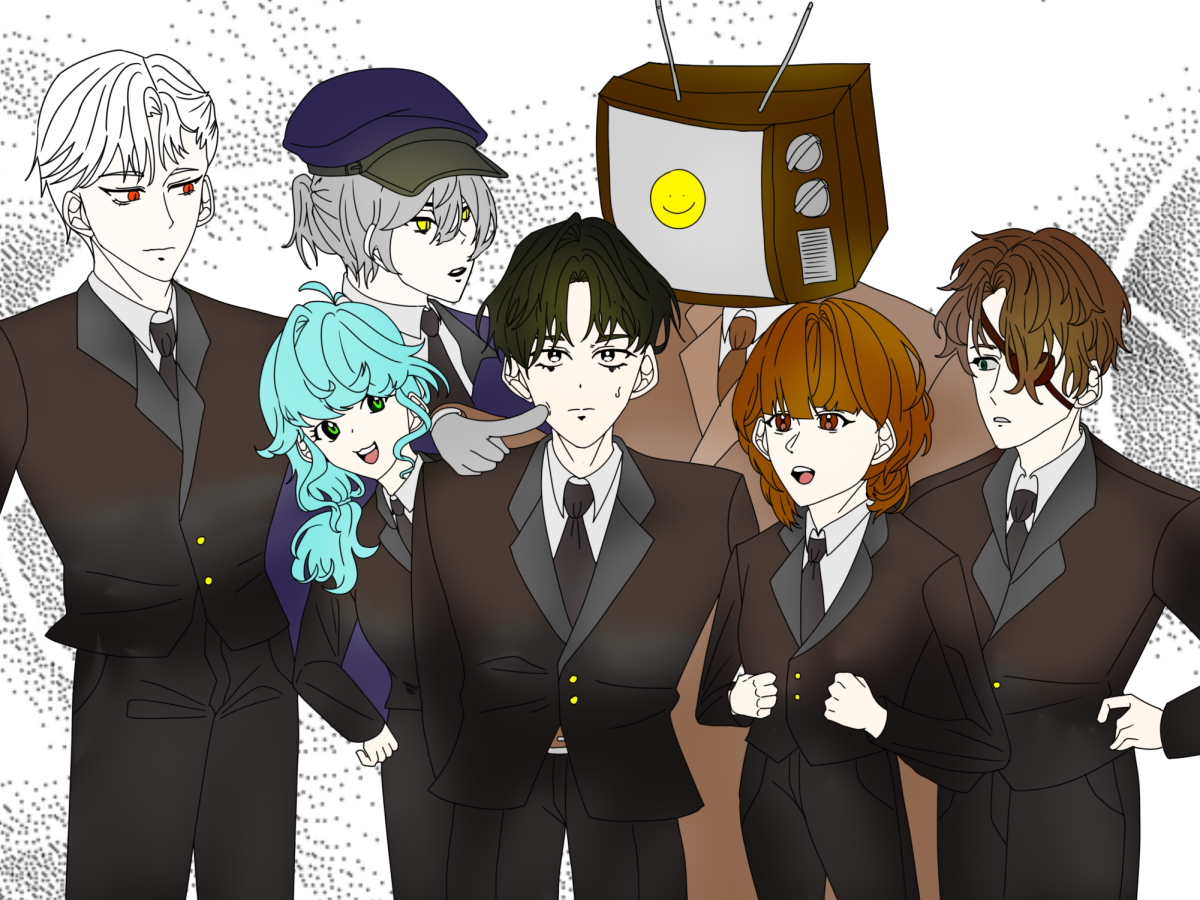



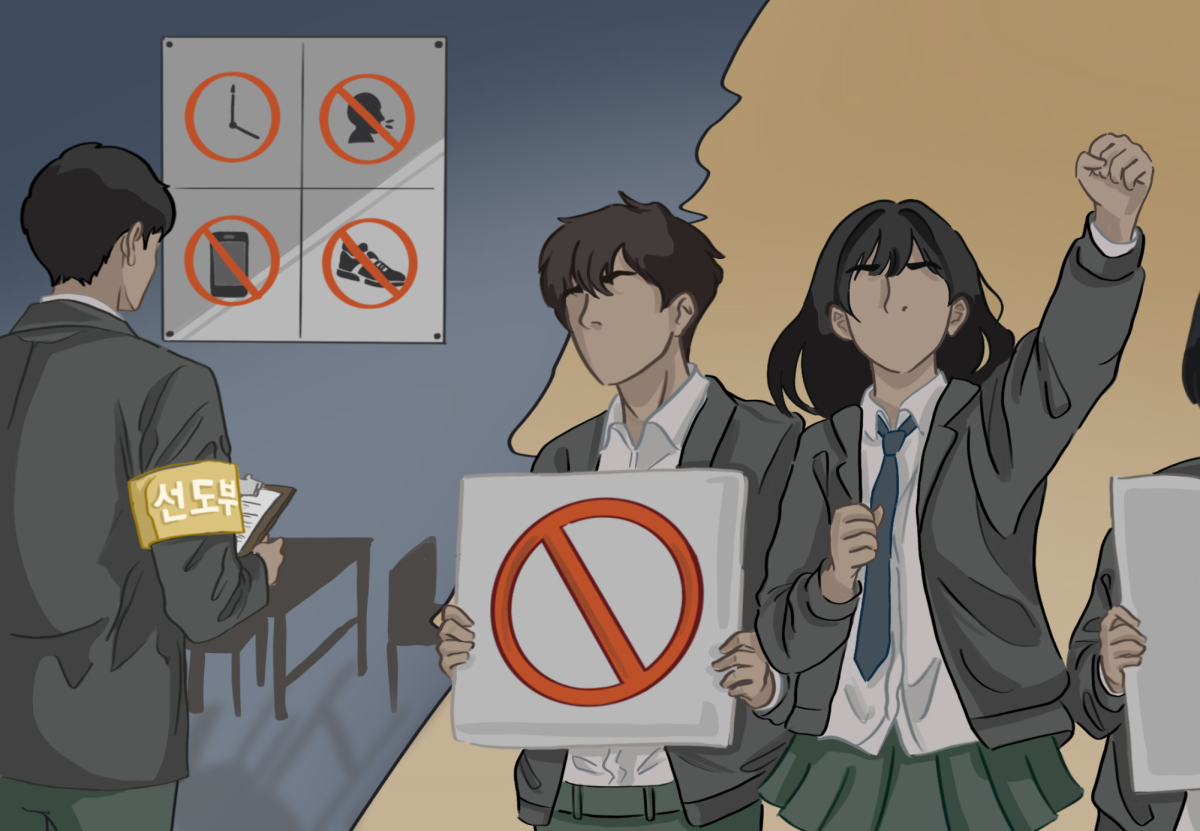










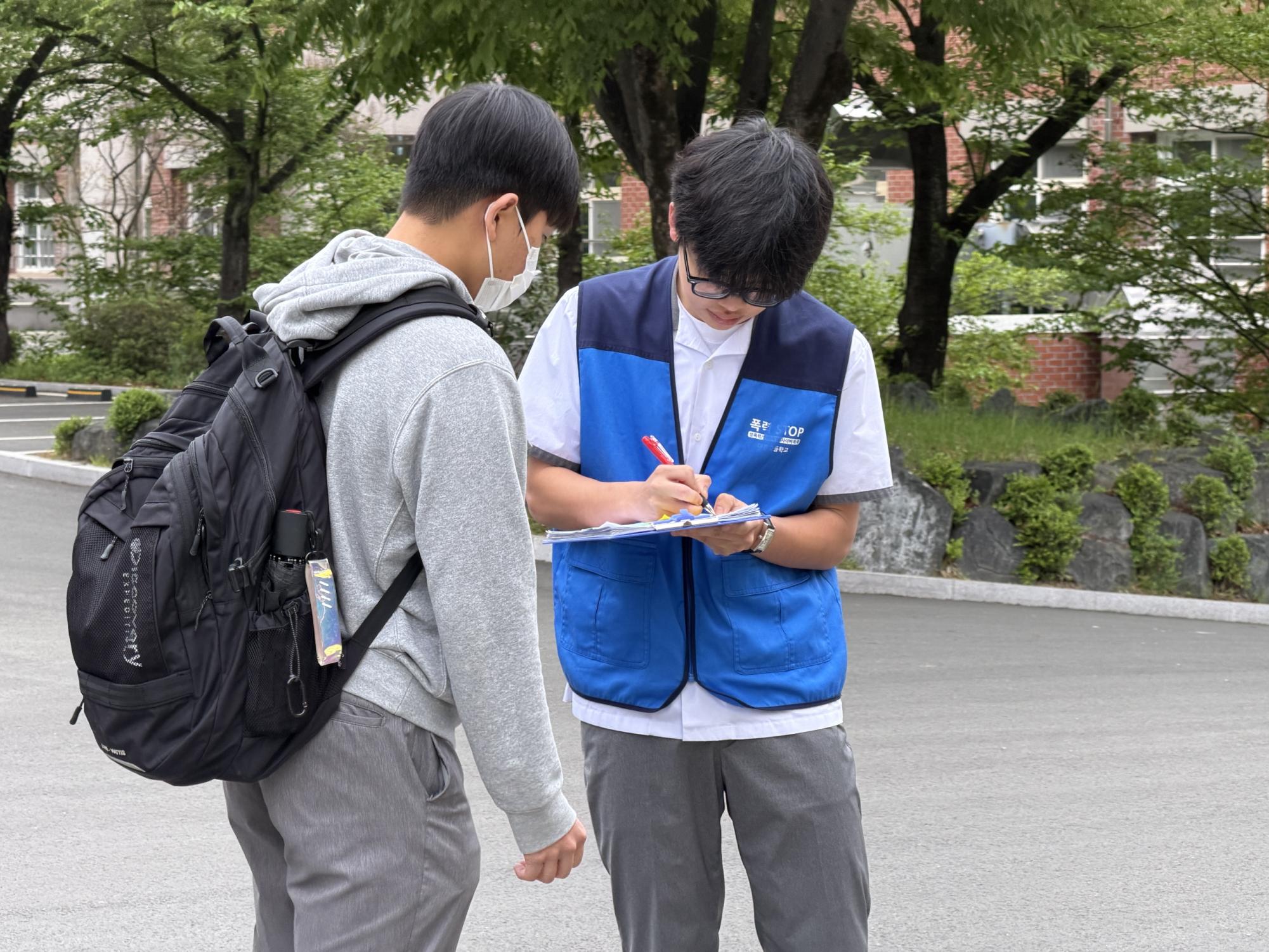
“Minus 5 points for you,” says Siyoon Park, the student guidance representative.
At the crowded school gates each morning, high school students hustle to make it to classrooms on time. Right then, a group of students wearing wristbands with “학생지도부” (student guidance department) engraved marks a strike on their clipboards after they spot a hairstyle violation.
In many Korean schools, student disciplinary committees enforce appearance codes that regulate everything from hairstyles to jewelry. “The committee establishes its own school-specific code based on the ‘Student Life Regulations’ announced by each City/Provincial Office of Education,” said Bomin Lee, a physical education teacher in Daegu Dong Middle School.
While schools originally implemented these regulations to maintain order and consistency, many students now question whether they still serve a meaningful purpose. In fact, many of the standards they enforce trace back to the Japanese colonial period, when schools closely monitored students’ appearance and behavior to assimilate Koreans into a single, stringent standard.
More than a century after its emergence, the traditional framework remains entrenched. From daily outfit checks to rules governing conduct outside of classrooms, schools continue to exert significant control over students’ personal lives. This rigidity also involves values of Confucianism that prioritize collectivism and uniformity over individual expression.
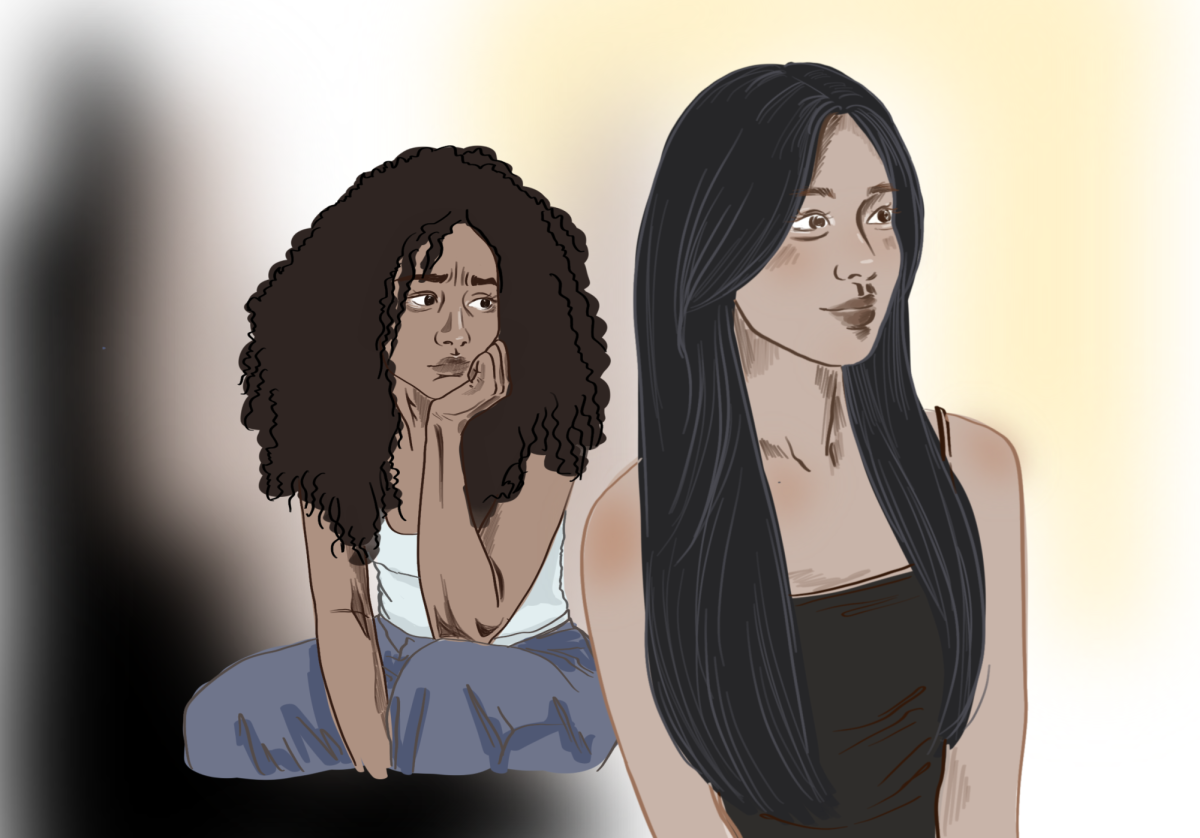
Today, these conventions persist in numerous academic institutions across the nation. Yongshin High School in Daegu, for instance, enforces norms that ban jewelry, fake lashes and long nails. Students face similar restrictions at Kyungbook Girls’ High School, where violations get documented in a digital conduct record that lasts through the academic year. While each regulation may seem minor, together they instill a message that individuality is a trivial matter.
These policies serve as a stark contrast with those at international schools, which often model a foreign curriculum. “International schools also have relaxed rules, so students feel more at ease,” said Aliya Makhamatzhanov, a freshman who previously attended Saeron Middle School.
Recently, many Korean high schoolers started to challenge such restrictions imposed by the leadership department. In fact, about two out of three students in Seoul called for a change in current policies, according to research by the Seoul Metropolitan Office of Education. Responders specifically cited dress codes, makeup and lifestyle disciplines as areas for improvements.
The growing backlash reflects a wider generational divide between modern values of self-expression and conventional wisdom. “I think some things about the system should change. Schools should respect students’ freedom and individuality more by focusing less on rules,” said Makhamatzhanov.
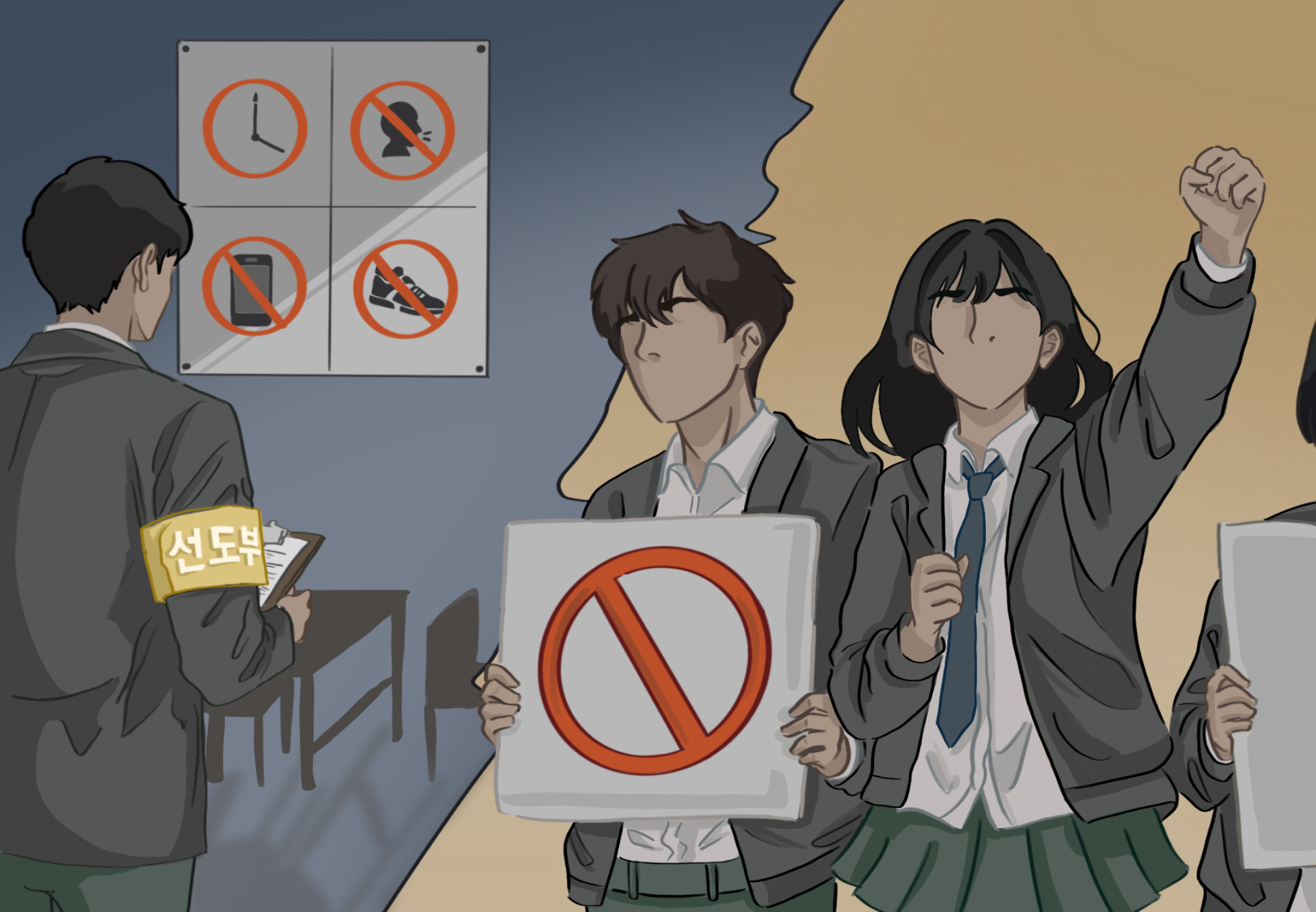
The debate extends beyond personal freedom; dress codes also shape how students view themselves and their places within the school community. According to a survey by the Korea Youth Policy Institute, those at institutions with more flexible policies reported higher levels of self-esteem and classroom engagement. Although such rules constitute only one aspect of school culture, the findings suggest that greater autonomy fosters both youth confidence and participation.
Supporters of these policies argue that appearance regulations reduce visible marks of socioeconomic difference and prevent the status-driven peer pressure that can distract students from learning. Some also contend that standardized rules reinforce respect for authority.
However, this reasoning does not stand when schools begin to nitpick harmless forms of self-expression. While a ban of disruptive behavior serves a clear purpose, a ban on dyed hair, simple jewelry or slightly longer hairs does not. Rules that target personal appearance rarely improves student performance, but they instill the mindset that conformity values more than responsibility and character.
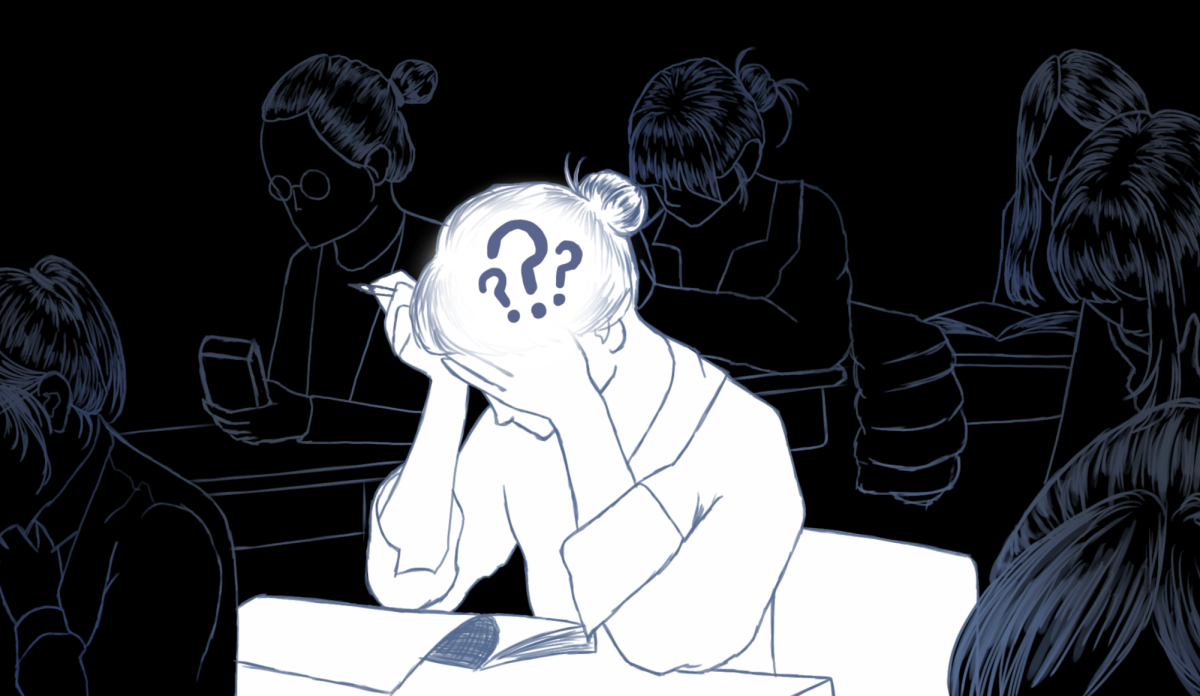
This mindset reflects a broader problem within Korean education. As schools prioritize compliance over independence, students get discouraged to stand up for themselves and challenge conventions. This stands contrary to what many universities and workplaces demand: creativity and critical thinking. These qualities can’t develop where individuality is suppressed to the ground.
Therefore, the Ministry of Education and school communities should collaboratively audit and update appearance regulations and eliminate those that do not serve educational or safety purposes. Discipline should focus on factors that actually influence the school atmosphere, not all forms of personal choices that pose no harm to others.
In the end, education should prepare students to think independently and creatively, not simply train them to conform. If Korean schools hope to prepare students for a modern society, they must stop treating individuality as a disciplinary issue.




. • Jun 9, 2026 at 7:54 pm
i havent been in korean middle school for much (a few years in elementary, half in middle) but i felt that when you share the floor with 500 other students and 10 teachers, there’s always somebody that will dislike your taste in anything. When that distaste takes form with authority itd be such a hassle