




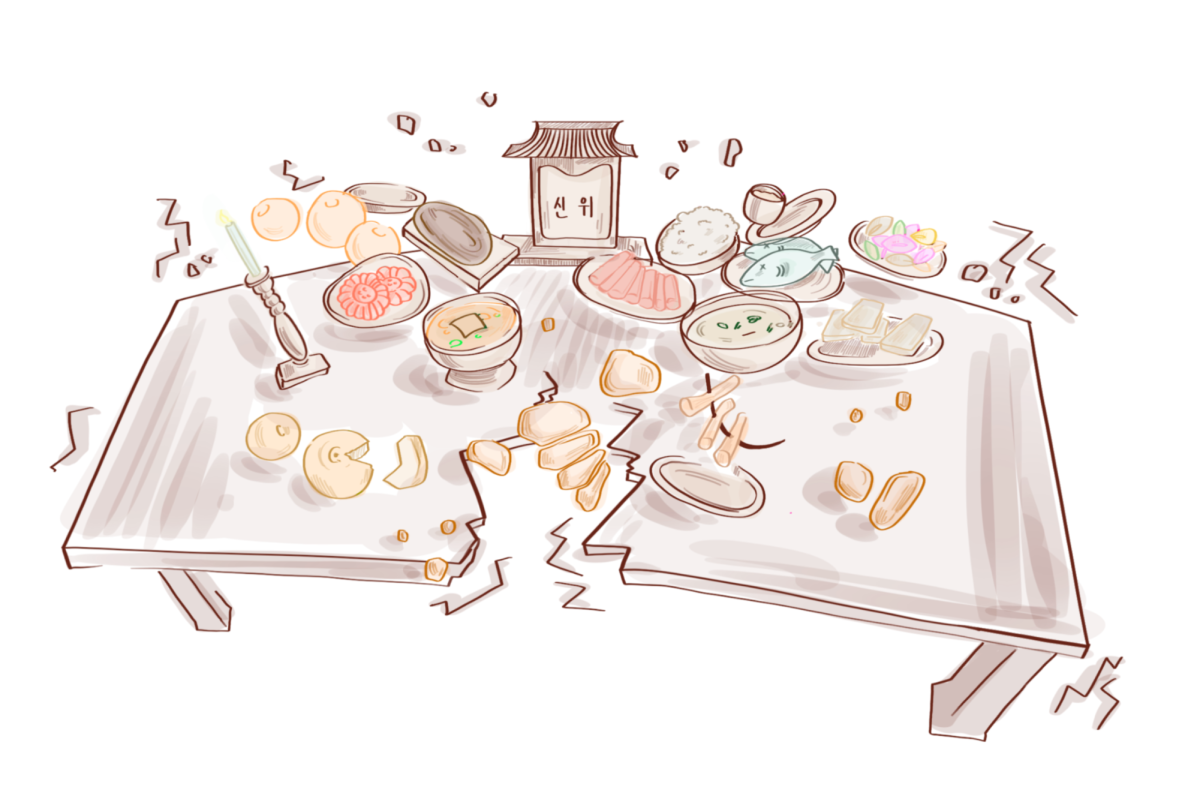












The Korean government recently proposed a dramatic shift in education policy: the high school credit-based system. With an emphasis on student autonomy and a holistic admission process, the policy starkly contrasts with the current reality, where a single number determines an individual’s value. In 2025, the government implemented two major changes: student-selected electives and a five-tier grading system.
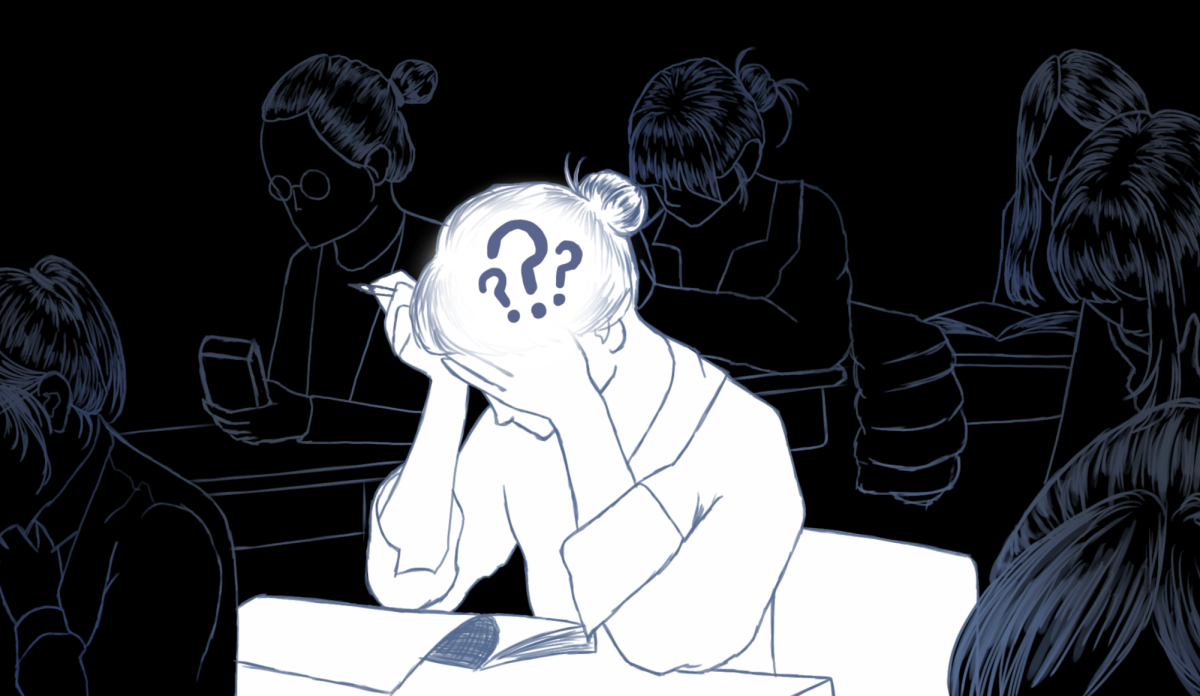
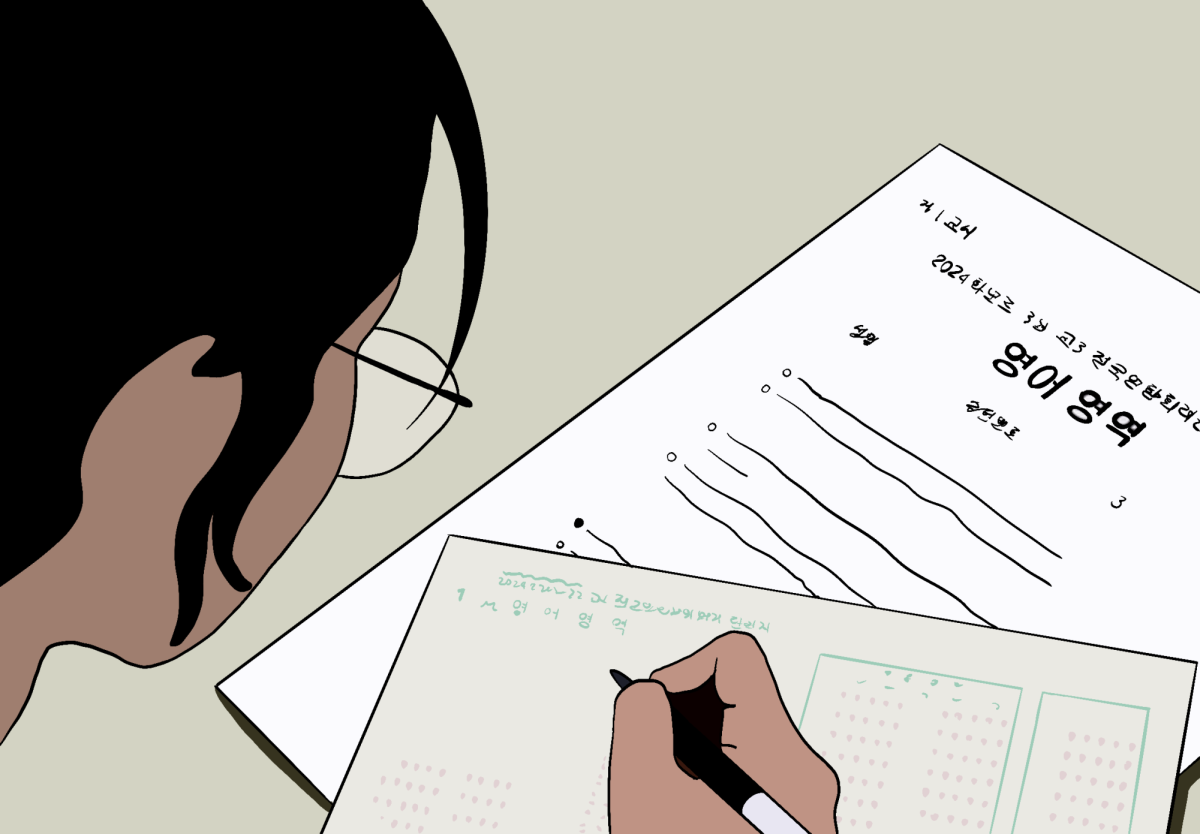
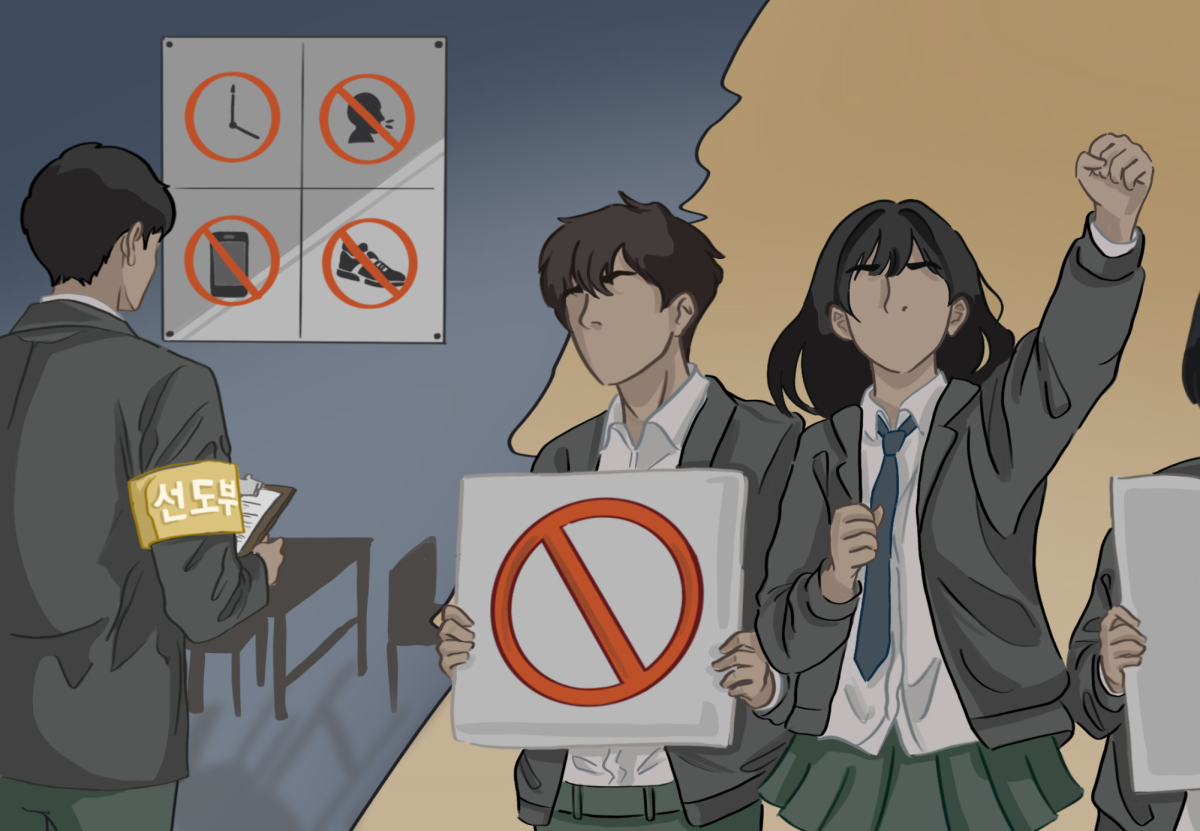
For years, academic pressure shaped the daily lives of Korean students. Shifts of academics with all-nighters became a routine for the teens, as they strive to raise their sunueng (College Scholastic Ability Test) score by even a single point. In many households, university letters serve as a deciding factor for lifelong success.
This pressure has only intensified. Today, some seven-year-olds spend 24/7 confined in a small room writing high school-level essays, while hagwons even offer medical-school preparatory courses for first graders.
The new education proposal aims to address this issue. It enables students to graduate by earning a required number of credits through student-designed courses, in contrast to the uniform and rigid curricula of the past. The measure took effect beginning with the current freshmen, while those in higher grades maintain the previous curriculum.
The first change expands the students’ opportunity to take personalized courses, which shifts the focus of education from blind competition to individual growth. Specifically, the range of electives expanded dramatically, granting students a broader pool of course selection from data science to foreign languages like French. “I believe the intention of it was good. It seems advantageous for students to take subjects that best suit their interests,” said Jaeyong Sung, a high school freshman in Gyeongsin high school.
However, a shortage of quality teachers – particularly for newly introduced and less common electives – has hampered the expansion in electives, with the issue acute in rural high schools. The economic imbalance raises concern in worsening educational inequality, where students in wealthier environments gain access to exclusive courses through academies.
Students also raised voices about the sudden pressure to define their career paths and align their course selections to them. “… The electives vary from school to school, and a lot of my friends have also been complaining that their school doesn’t have the right electives,” Sung said. The direct influence of course selection on college admissions shifts the form of academic stress students face, rather than alleviating it.
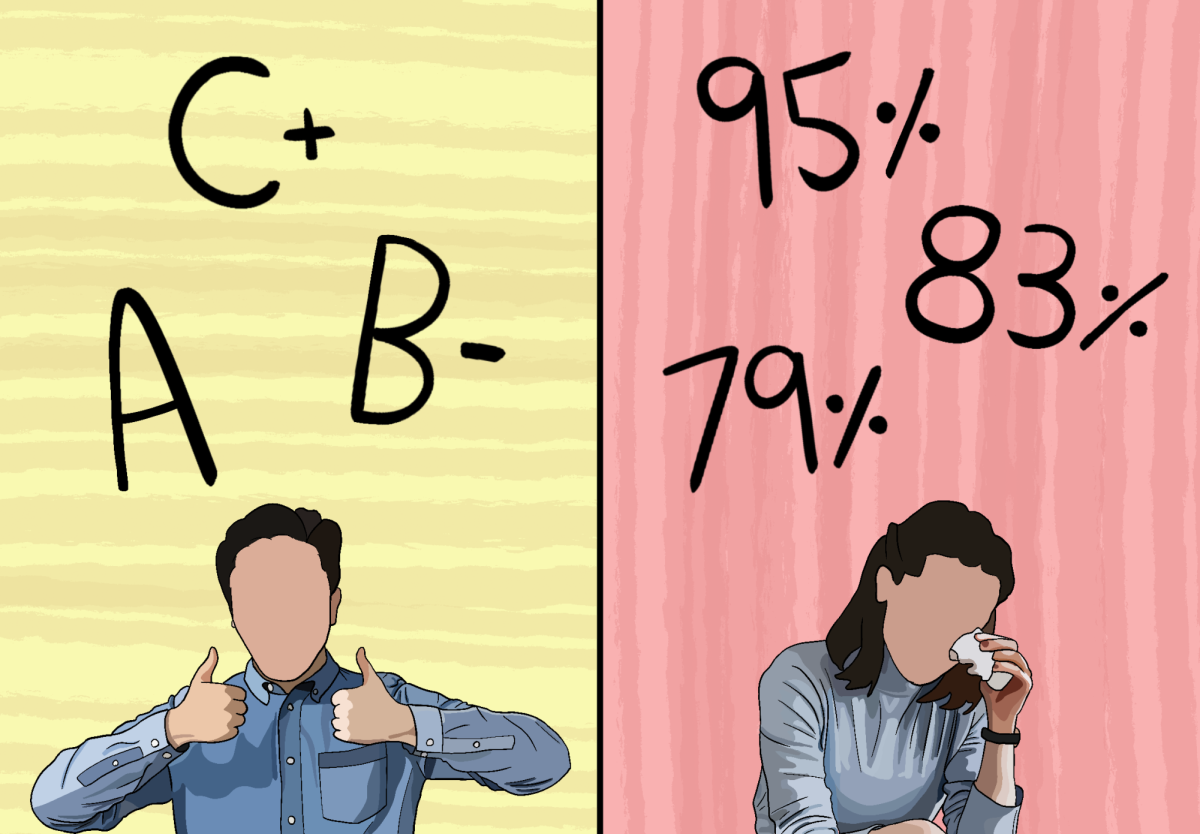
The second policy reforms Korea’s long-standing academic ranking system (내신등급제), which reduces the original nine-ranking tiers to five, which eases grade anxiety. Specifically, the first-tier cutoff expanded from top 4% to 10%, while the second tier widened from 11% to 34%. The next 66% receive a tier 3, up to 90% tier 4, and below 90% tier 5.
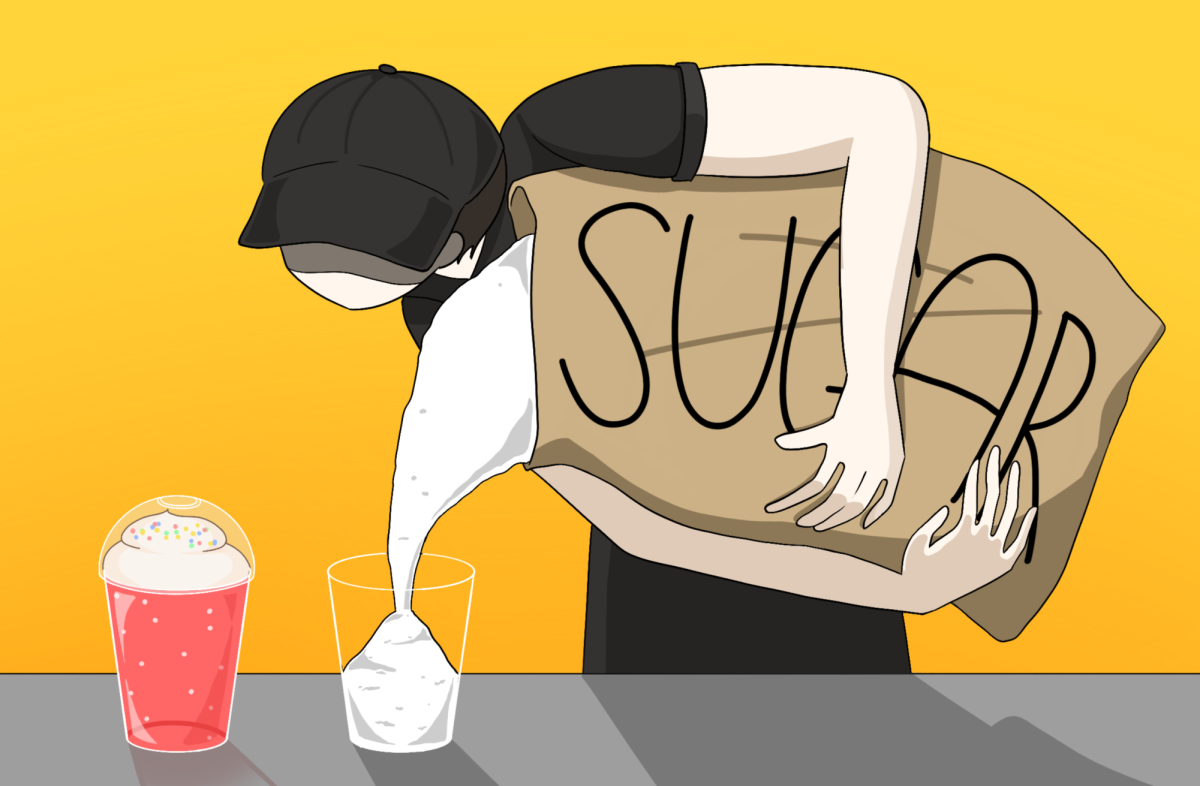
Despite its intentions to attenuate academic burden, the modification intensifies competition for high scores. “Under the old nine-tier system, it was still possible to get into an In-Seoul university 2nd-tier score, but the current 5-grade system makes it risky unless you get 1st-tier, which makes it more stressful,” said Seoyeon Jang, a rising freshman who currently attends Dong middle school. While high-tier scores get easier to obtain, the fear that a single low-ranked result could damage an entire profile creates intense stress.
Moreover, the new grading system fails to reflect student performance as well as the previous, other aspects of evaluation precipitate in importance. This includes project-based evaluations (수행평가) and extracurricular activities (세부특기사항), which causes more parents to seek private education for guidance and consulting. Indeed, 70.13% of high schoolers said they felt the necessity to visit academies and consulting firms to prepare themselves for college admissions.
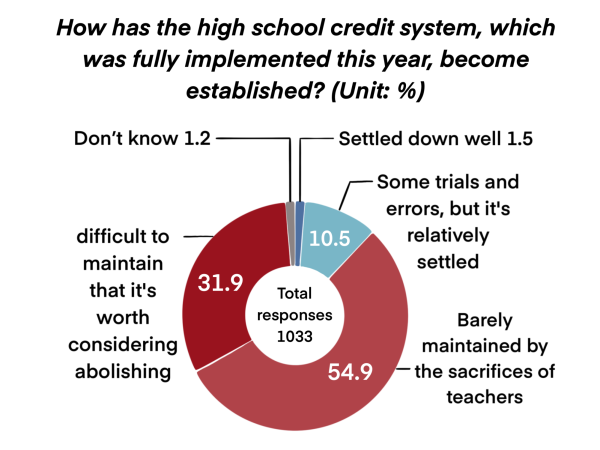
On a broader perspective, the reform mirrors the U.S. education model in many ways: vast electives, the mandate of credits, and emphasis on extracurriculars in holistic college admissions. While such a system remains embedded in foreign education, Korea has traditionally operated under the model where grades and ranks largely determined university placement.
The government’s hurried attempt to fit this foreign framework into Korea’s deeply entrenched exam-driven culture sparked backlash. “Not only are the entrance exam systems and learning styles different in Korea and other countries, but Korean education seems to have a strong sense of semi-compulsoryness, whereas in the US, children are free to choose what they want to learn, so I think it’s really risky to directly import a foreign education system without having the same foundation,” said Sung.
While the policy holds a meaningful purpose, its rushed implementation left many students uncertain. Currently, many schools lack official guidance systems to assist students navigate the unfamiliar framework. In fact, only a small fraction of schools provided in-person information sessions of the credit system: 1.8% of schools in Ulsan, 5.6% in Busan, and 6.1% in Seoul.
In this moment of hassle, students voice their need for improved support to help adjust to the credit system. It seems necessary by many to expand quality teacher resources rather than simple increases in the sheer number of teacher recruitment.
As Korea moves closer to the full implementation of the new education system in 2026, policymakers must complement reform ambitions with institutional readiness. Without clear university admission standards and public support mechanisms like specialized school-based counselors, the policy risks amplifying dependence on private education rather than fostering equity and independence.