
















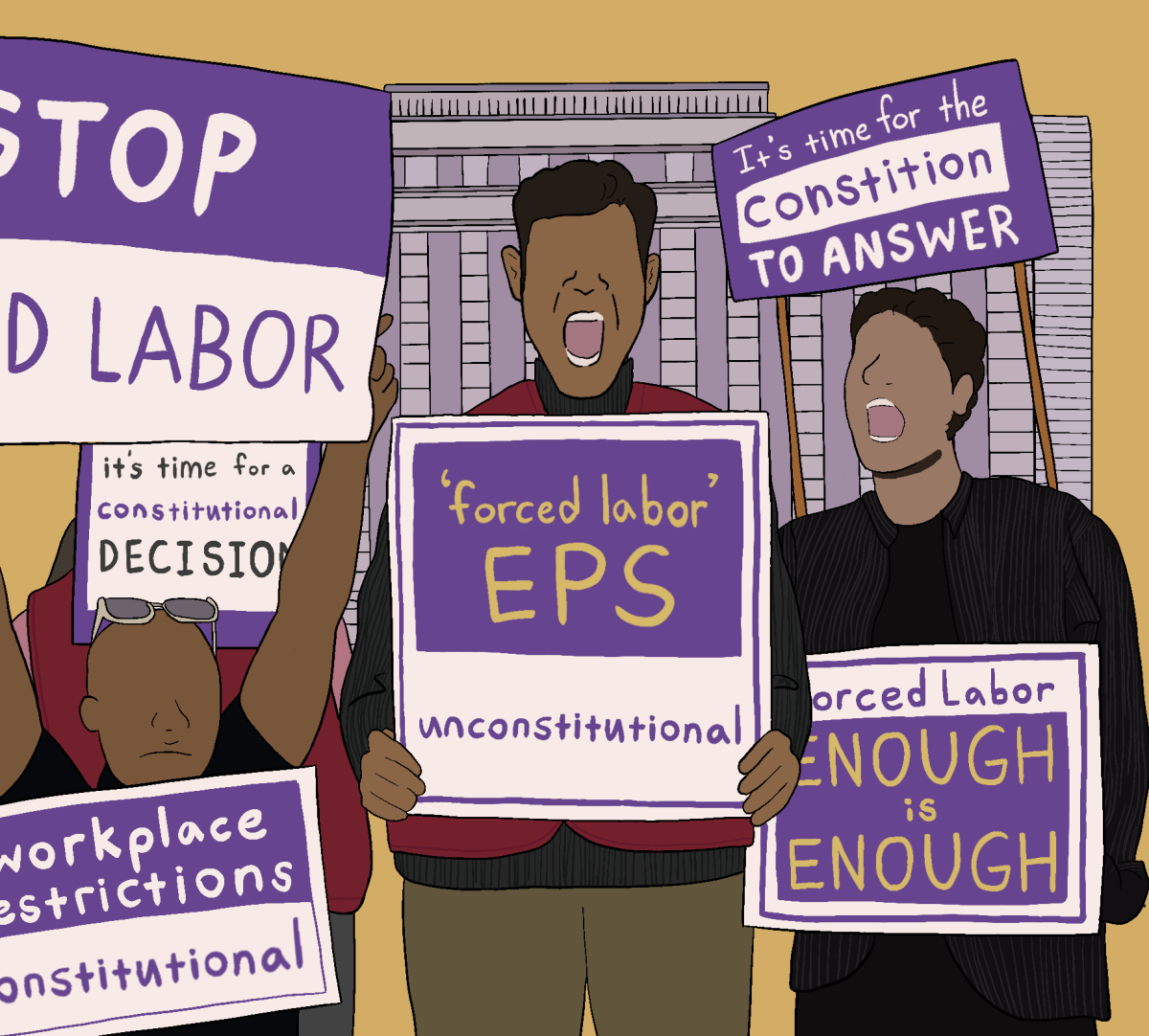


















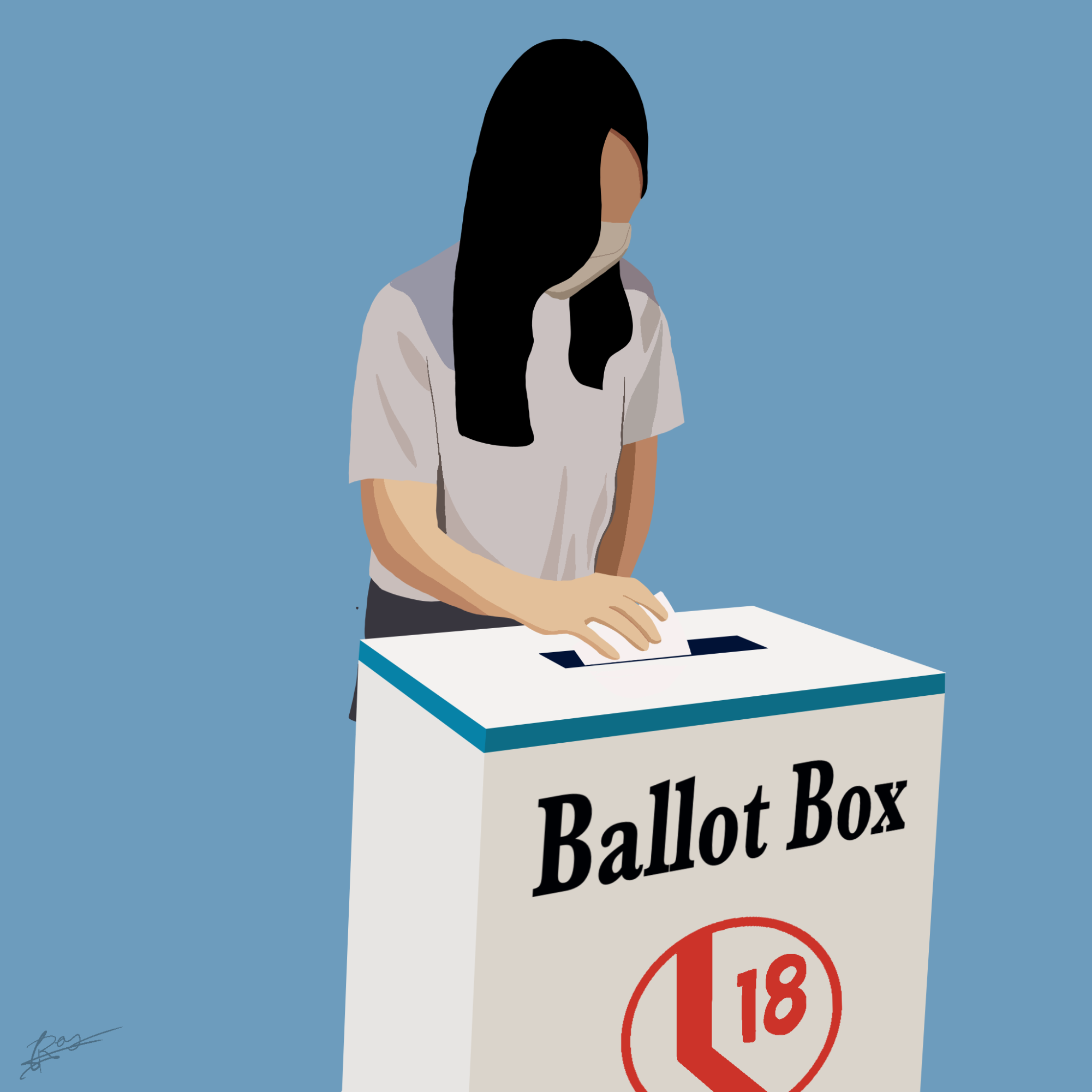
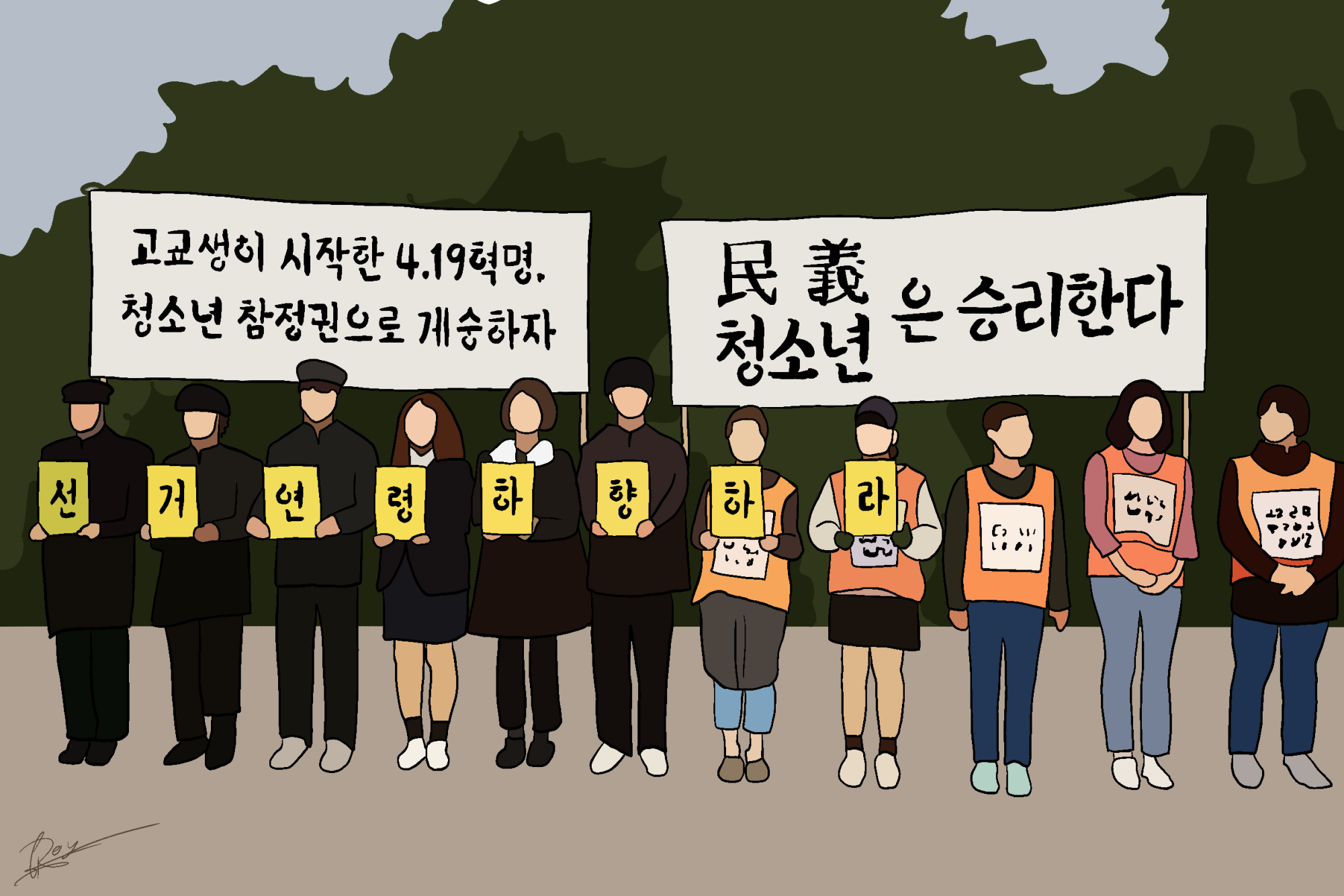
In South Korea, teenagers bear the weight of political decisions long before they gain a voice in the ballot box. The country lowered the voting age from 19 to 18 in 2019, a long-delayed acknowledgement that youth, not only adults, live the outcomes of legislative actions. The reform sparked momentum that further encouraged youth to participate in democracy and the nation’s political future.
When Korea reduced the legal age for political party membership to 16 in 2022, it ignited a heated debate to further widen the gate for democratic participation and grant suffrage to 16-year-olds. Although early exposure to democratic literacy stands critical to developing active citizens, lowering Korea’s voting age to 16 places policy consequences on adolescents who still lack the experience, stability, and independence.
Advocates of lowering the voting age argue that students carry the weight of adult decisions without any voice on policies that directly shape their daily lives; in Korea, regional education administrators hold authority over curriculum, school regulations, college-prep environments, and mental-health support systems. Adult voters choose these leaders, while students who live those decisions remain silenced.
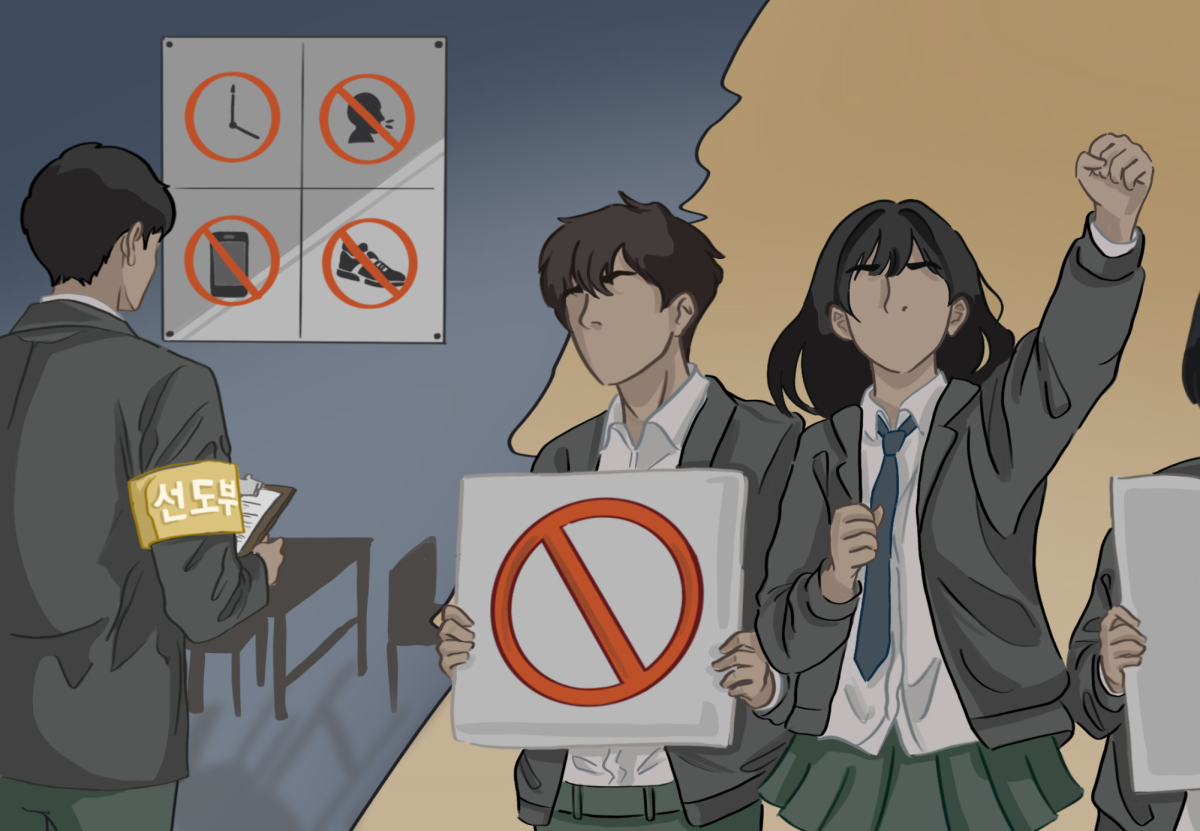
In reality, the current civic education model in Korea falls short of what this voting reform demands. Schools seldom emphasise practical political education, and teachers discourage discussions of political issues, citing them as too sensitive or controversial.
Korea’s current social studies curriculum prioritises rote memorisation and lacks emphasis on skills essential for responsible civic participation. Students rarely analyze the real implications of policy trade-offs, economic impacts, or party platforms.
Educators point to the need for stronger political awareness before eligibility. High school history teacher Mr. Bergan said, “16-year-olds should start paying attention more to what’s going on in politics and should be interested in it. They could attend town halls or discussions because soon they will be able to vote and the more educated they can be, when they can vote, the better.”
“It’s important for kids as they’re growing up in middle school and high school to learn kind of how their government works for their country. To learn why you want to be able to vote, and when you are able to vote, whether that’s when you’re 18 or 16, that you are educated,” Mr. Bergan said.
Elections require more than an opinion and a stamp on the ballot; they require sufficient political research grounded in real-life experience that affirms the impact of one’s vote. Electoral responsibility for students immersed in heavy schoolwork and who are yet to develop their independent perspective simply increases the pressure they cannot shoulder.
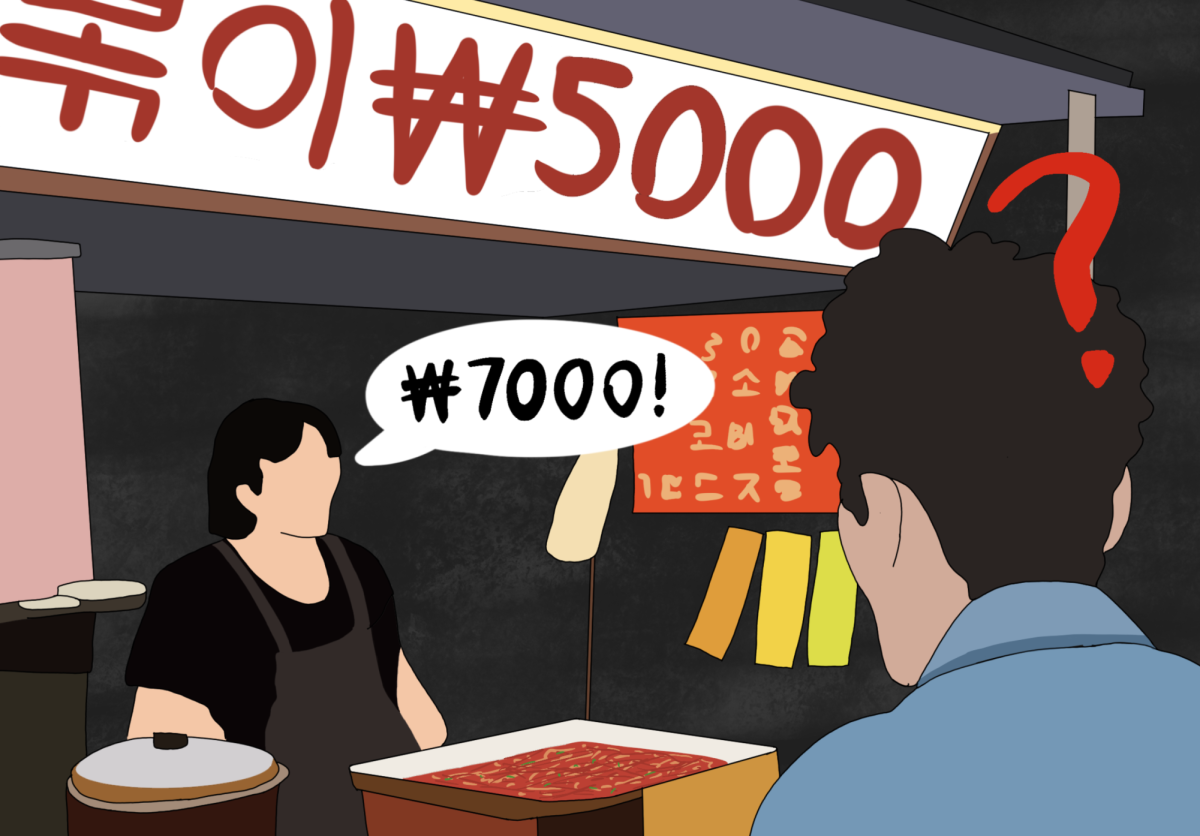
The challenge extends beyond academic stress. The majority of teenagers under eighteen lack exposure to realistic responsibilities that shape adult voting behaviour, such as part-time or full-time employment, tax obligations, cost-of-living choices, and financial independence. Without such pivotal experiences, their understanding of policy consequences remains narrow.
Middle school English teacher Ms. Nagy said, “[When you’re young,] you’re still guarded in some sense from experiencing some challenges that your parents or guardians might do for you…that lack of full individuality, I think also is a point for the opposition of being against lowering the voting age.”
As the debate grows, students and teachers caution that political literacy, not earlier suffrage, must come first. Mr. Bergan admitted, “They are going to be part of Korea’s government or economy very soon…It’s always important to know that things change over time and new generations come…they are the future.”
A shift in suffrage age demands more than the symbolic value of change. It demands a strengthened civic education where students can engage with real-life implications of textbook systems and an environment where youth can freely discuss political issues. Democracy gains little from earlier ballots without deeper preparation. Korea faces a responsibility to prepare youth to become active, well-informed citizens before symbolic reform.







Annemarie • Mar 26, 2026 at 5:44 am
You have to be at least 18 to vote because if you are younger than that, it means that you are still a child. I actually can’t believe how they just decreased the age to 16!