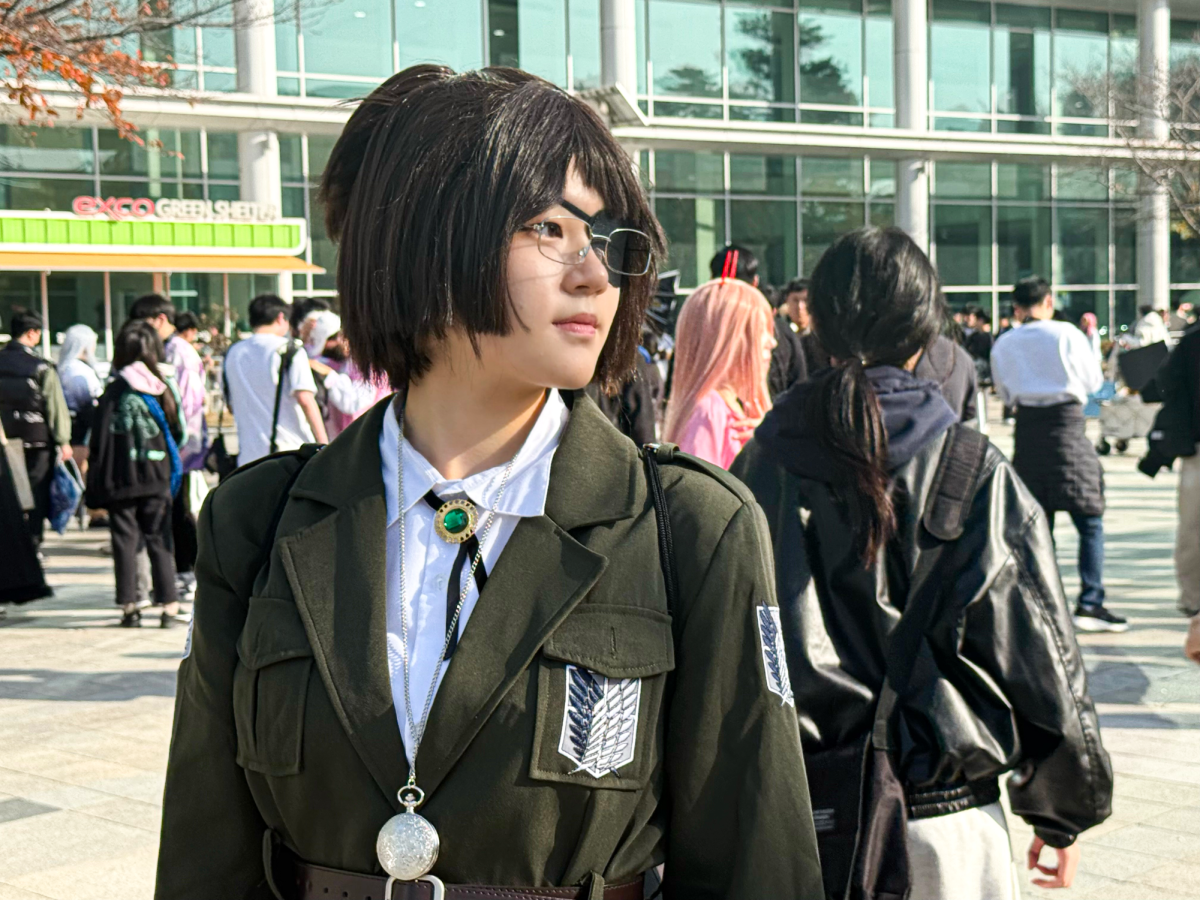





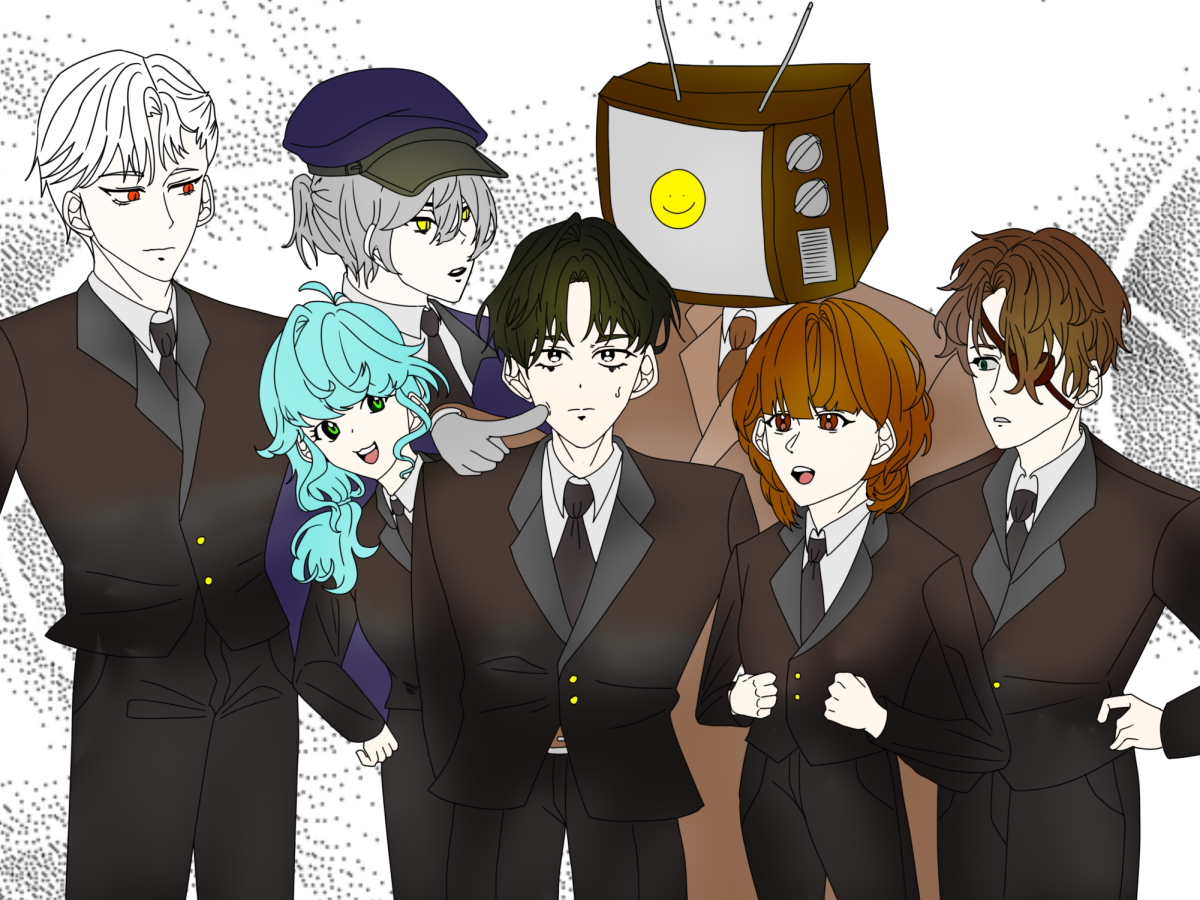

















The third and fourth generations of K-pop idols, led by renowned groups like Blackpink, BTS, Stray Kids and Aespa, emerged as prominent cultural influences over the past decade—the genre not only dominates the local market but also holds Gen Z around the world in a powerful grip of devotion. But beneath the global influence lie the destructive consequences of celebrity-driven power.
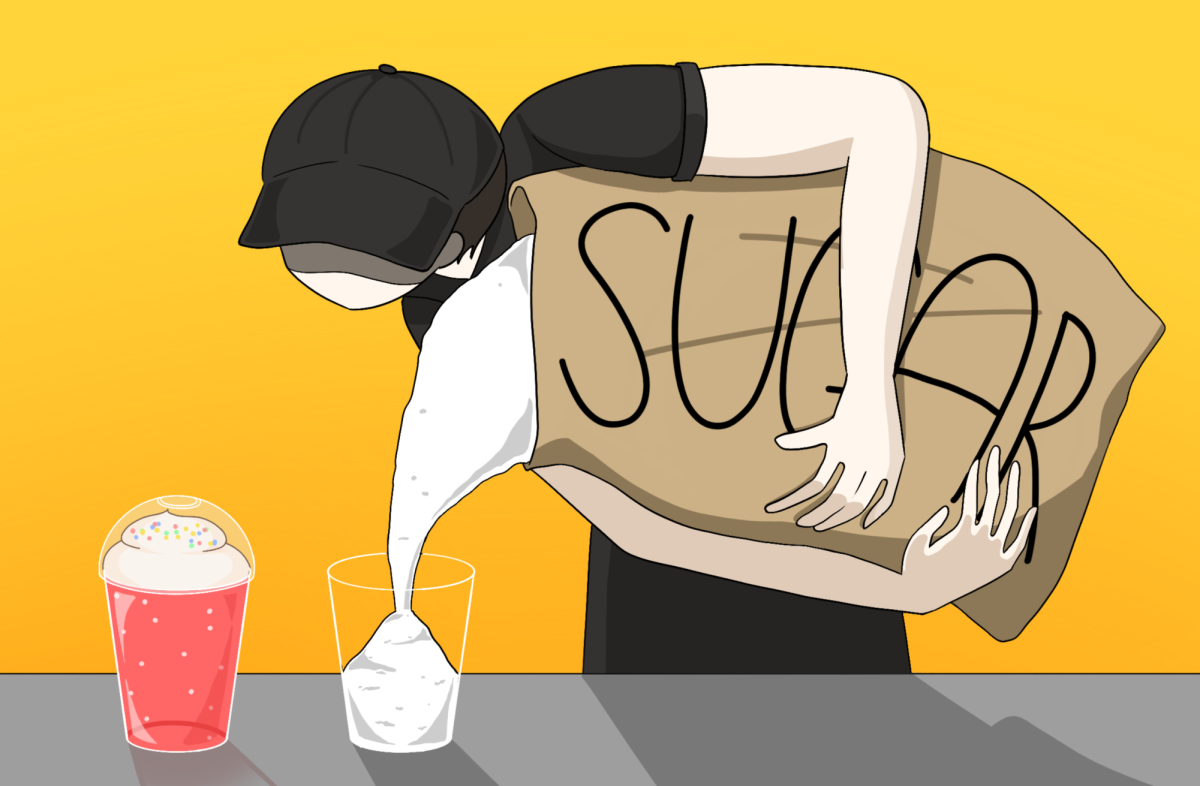
Pop stars yield mainly positive effects as role models for productivity, contributors to the economy and cultural icons. Yet, these figures encourage consumerism, deteriorate adolescent self-esteem, and intensify physical dysmorphia.
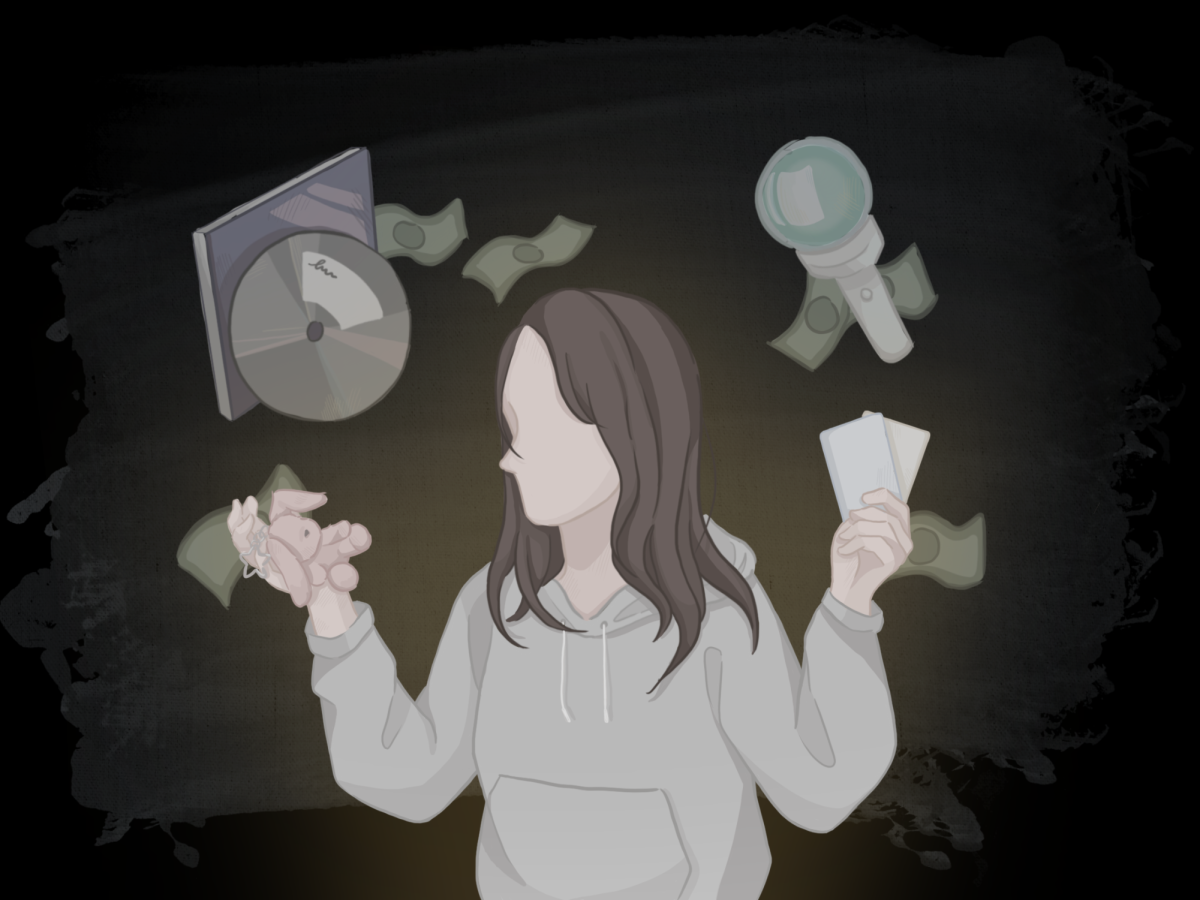
Within K-pop culture, merchandise serves as proof of commitment to a cherished individual or group. Fans frequently collect albums, trade photocards, and publicly display their favorite idols’ merchandise. Such purchases impose serious financial pressure on teenagers who seek validation for their dedication. In extreme cases, a photocard of Jungkook, a member of BTS, sold for a trade price of 4,200,000 KRW in 2022.
The industry transforms naive teenage passion into a lucrative financial pipeline. Companies demand a monthly fee for unlimited access to video content, charge exorbitant prices for concert tickets and require unrealistic sums for brief meet-and-greets with fans.
These spending habits also hinder teenagers from practical purchases. “I buy their merchandise and albums. I also used to subscribe to premium memberships of Weverse, a fan communication platform. But, nowadays, I don’t use my money on them because I want to buy more productive things,” eighth-grader Minju Koo said.
These consequences extend beyond economic strain and may also impact students’ academic performance. “Teenagers usually don’t have much financial freedom, yet consumption can become excessive. And if someone focuses only on fandom activities, their academics can suffer,” Kang-Seo Lee, an ex-trainee, said. “For popular idols, attending a single fansign event can require spending hundreds or even thousands of dollars on albums.”
Those who cannot afford to spend as much as the rest of the fandom often experience ‘fear of missing out’ (FOMO), which can further fuel insecurity. When such negative emotions accumulate, they cloud personal desires and diminish one’s self-worth.
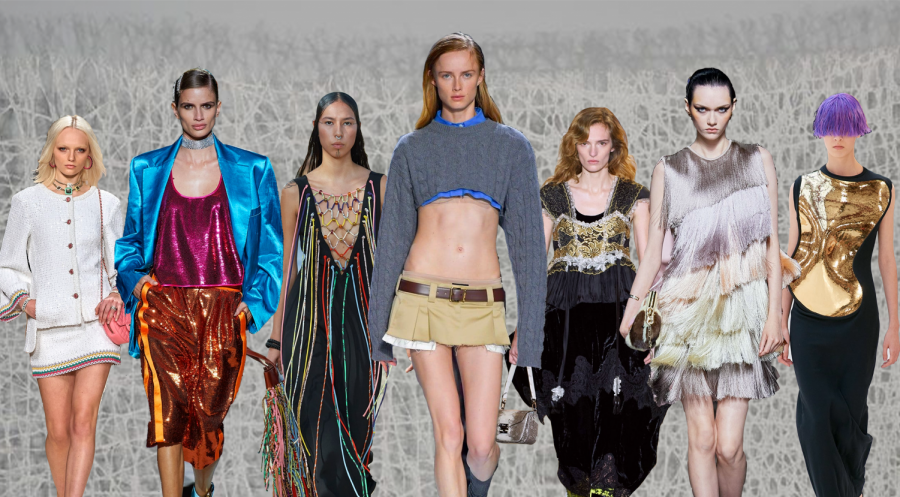
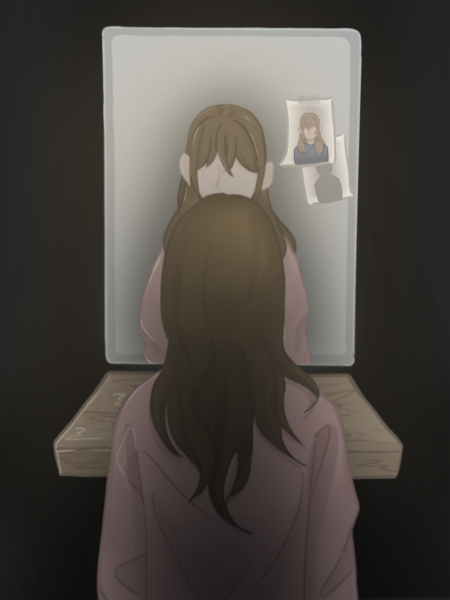
Under this pressure, admiration shifts into imitation, and a fan’s desire to follow their bias may foster unhealthy behavior. The flawless appearance of idols sparks constant comparison and the temptation for plastic surgery. Those who desire a similar look often bring photos of their beauty icon to surgeons. Yet, one procedure rarely satisfies, and some individuals repeatedly return to the clinic. This unquenchable craving leaves adolescents dependent on cosmetic treatments, unaware of their true beauty.
The glorified depiction of the celebrities increasingly contributes to the endless chase for perfection. “Idols’ appearances and lifestyles are often accepted as ideal standards. That leads people to compare themselves, feel insecure about their looks, and experience lowered self-esteem,” Lee said.
The K-pop industry can inflict serious psychological harm to young adults as it promotes unhealthy consumerism, encourages cosmetic dependence, instigates low self-esteem and reinforces harmful comparison. Comparison. which sometimes leads to actual cosmetic procedures. As a result, these idols may unintentionally become advocates for harmful ideals that compromise adolescents’ mental well-being and distort their sense of self-worth.