








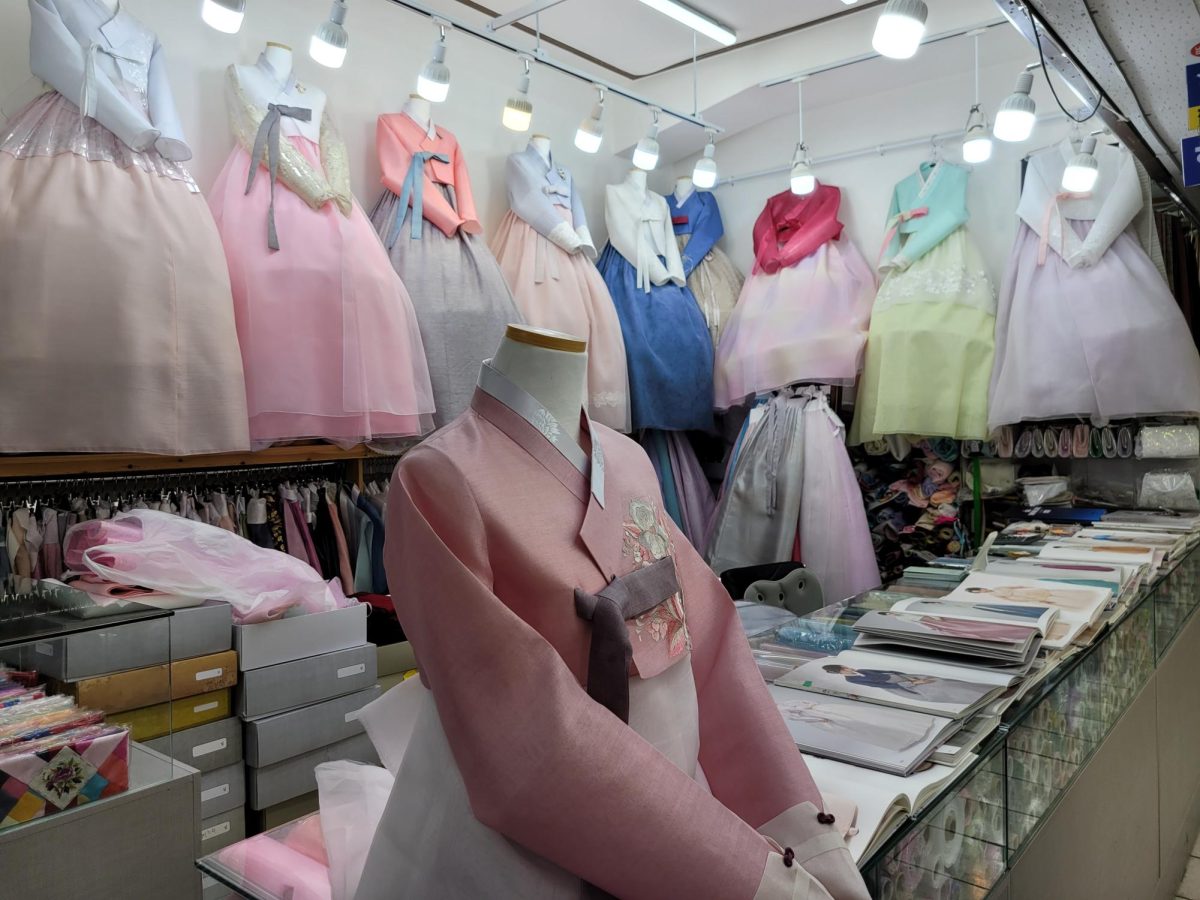





























In downtown Daegu, where global retail chains tower in clusters and paper bags overflow in consumers’ hands, people express their individual charm through fashion. But Gen Z and Gen Alpha, influenced by factors such as social media and cheap prices, choose the wrong path of fast fashion when it comes to style and purchase habits.
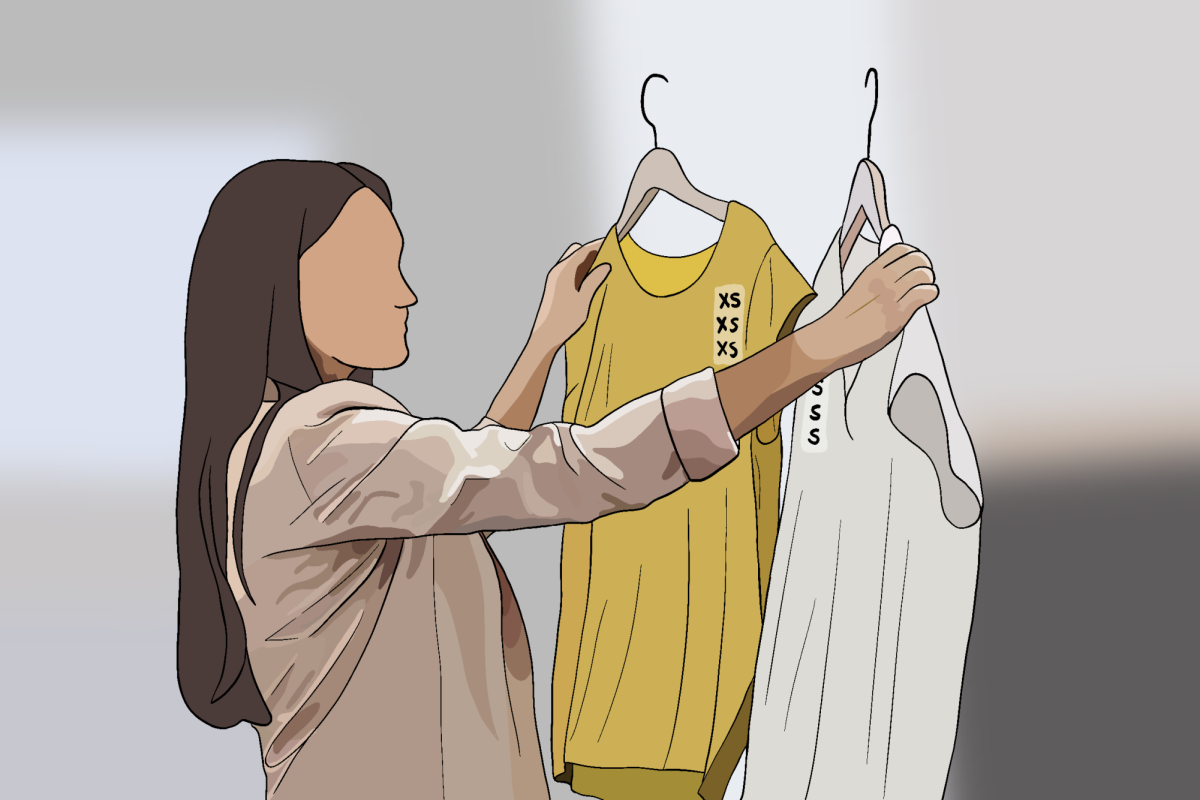
Fast fashion suppliers, such as Zara, H&M and Shein, compact production cycles to bring out the newest designs in mass with speed. Through garments from these corporations, shoppers not only expand their wardrobes easily but also refresh them quickly and cheaply.
Such disposable clothes rapidly gained traction for their affordability. “Sometimes, if you have the budget, you can definitely buy from more sustainable brands. But if you don’t have the budget to pay for that, fast fashion is the only option,” chemistry teacher Ms. Marchan said.
The faster-than-ever dissemination of trends like Y2K and streetwear compels many to constantly update their style. “I feel pressured because I feel left behind when I can’t follow the trend that others follow,” junior Lucy Kim said.
Many choose to conform to the short-lived craze and frequently change their aesthetics, and mass-produced clothing provides a great means to do so. “Since [fast fashion] is literally ‘fast,’ people can move through trends and styles really quickly and easily. Because there are so many trends and aesthetics, [they] keep up with fast fashion,” junior Flora Yoon said.
In addition to the general trends, popular celebrities also indirectly encourage the consumption of cheap, low-quality garments. “Some celebrities like Olivia Rodrigo or Sabrina Carpenter have specific outfits that are really expensive. So I buy the cheaper and lower-quality versions on fast fashion websites,” Yoon said.
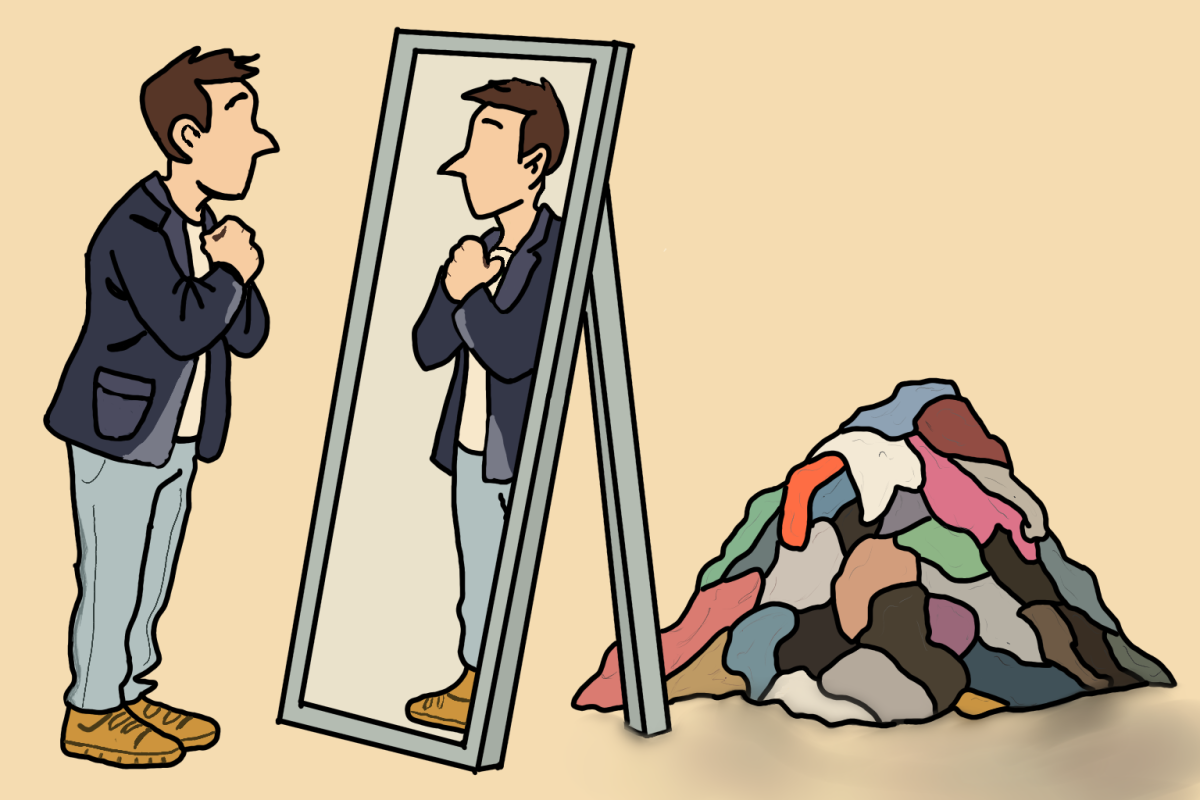
Despite the benefits when it comes to speed and costs, hyper-consumerist apparels come with equally large disadvantages, such as environmental harm. The fashion industry accounts for about 1.2 billion tons of carbon emissions, and the overproduction of clothing accounts for about 20–35% of all microplastics flowing into the ocean.

Such detrimental consequences drive some to reject throwaway styles. “[Fast] fashion harms the environment because it’s mass consumption—they produce numerous clothes in a short time. I do not promote the anti-sustainability procedure, and I’d rather buy clothes that I can have for a long time rather than a short time,” sophomore Minji Kim said.
While some woke consumers make themselves aware of the environmental implications of fast fashion, they remain trapped in the vicious cycle of the industry. Affordable online-store garments end up with either notoriously low quality or defects that cause the clothes to fall apart quickly, which encourages further consumption of fast fashion. “[If] you buy a lot of cheap, not-so-good quality products and then you throw them away fast, then you [will] buy more again and again,” Yoon said.
Teenagers and adults purchase excessive amounts of clothing each year. While slow fashion offers a solution, its high prices prevent frequent usage, and many step into the inescapable loop of fast fashion. But despite the alluring accessibility, the environmental consequences serve as a reminder that cheap clothing often comes at an unexpected cost behind the scenes.