

























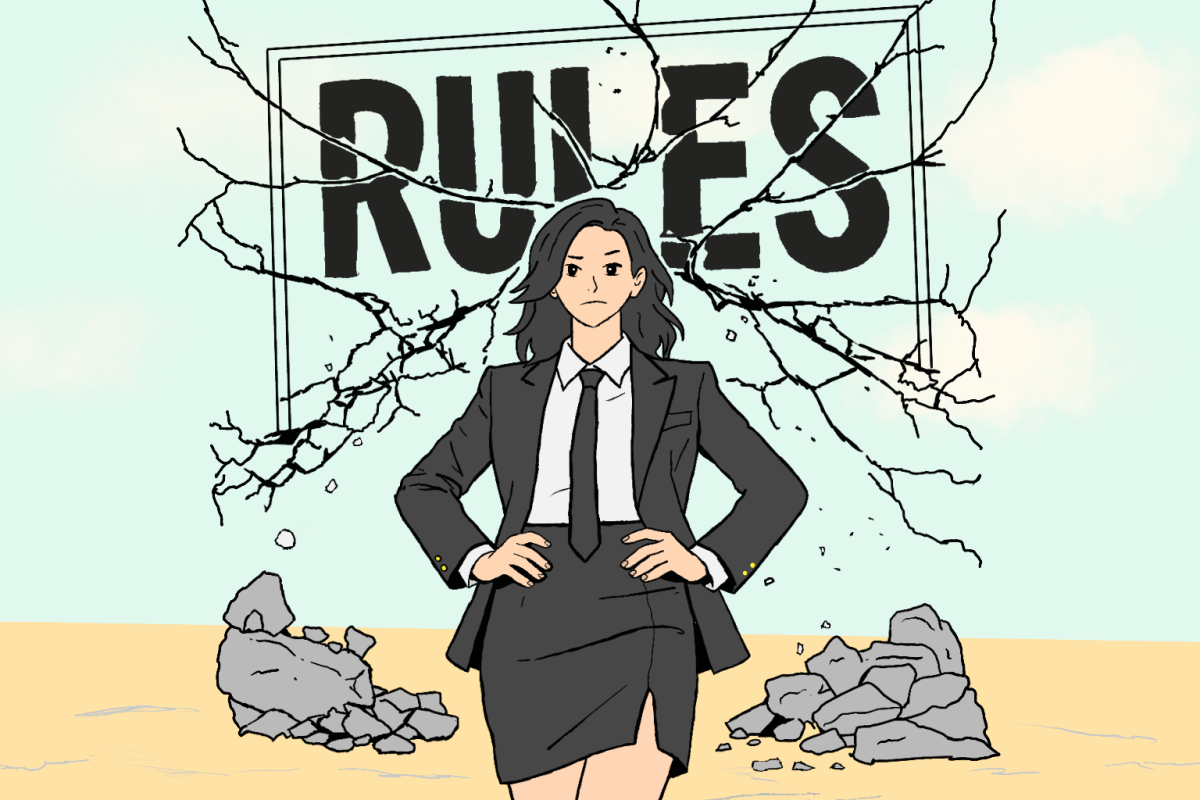
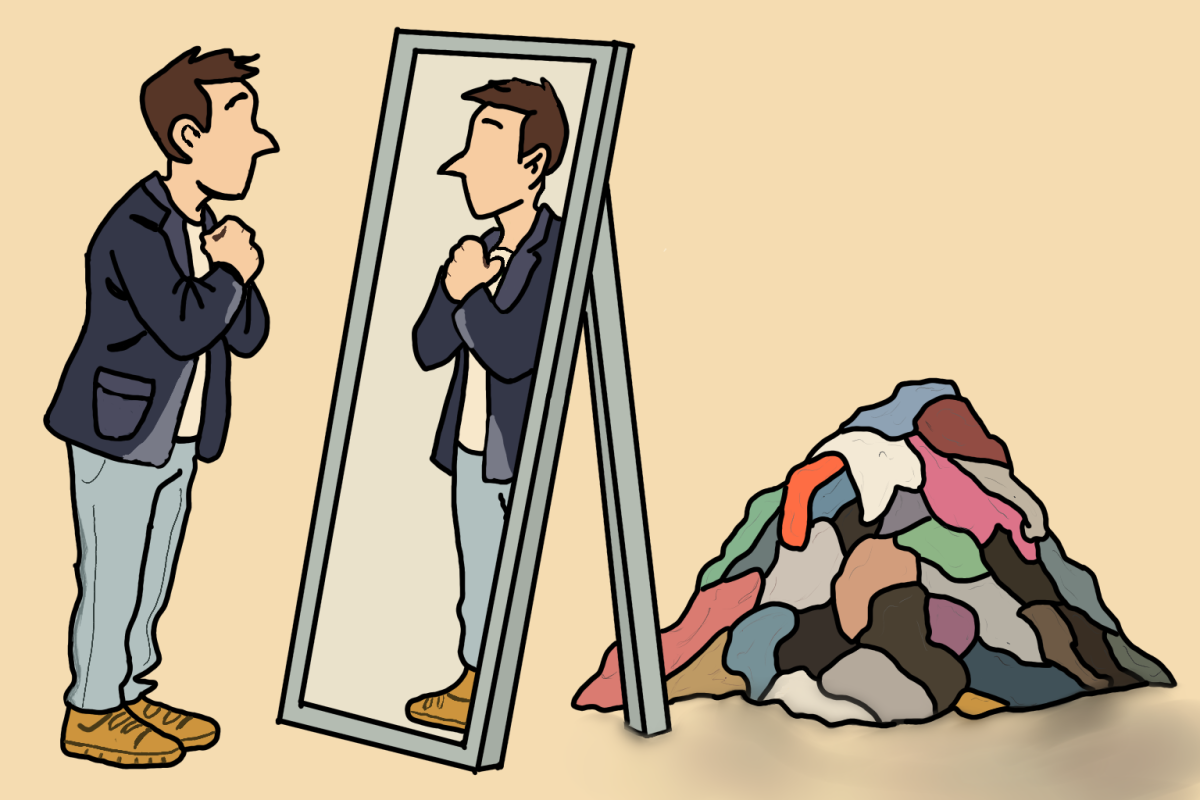
Clothing once carried unspoken rules about societal roles, especially throughout much of the 20th century. But with the recent rise of unisex fashion, the public has begun to break free from stereotypes.
Traditional norms in attire saw gradual changes in the past as well, especially during the mid-1900s. Designers began to move away from gendered principles, and their clothing featured bold, oversized silhouettes with vibrant colors for all. These choices paved the way for greater freedom of expression in modern styles.
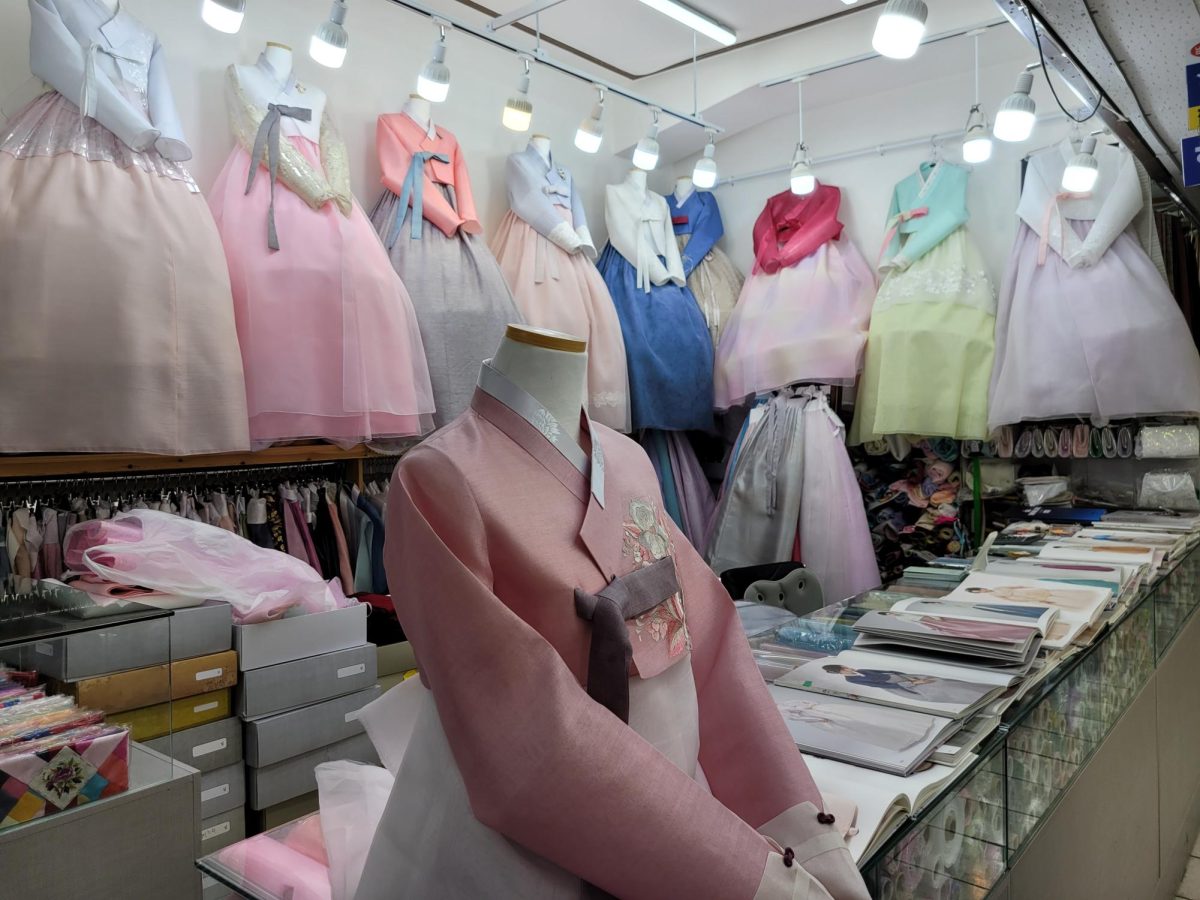
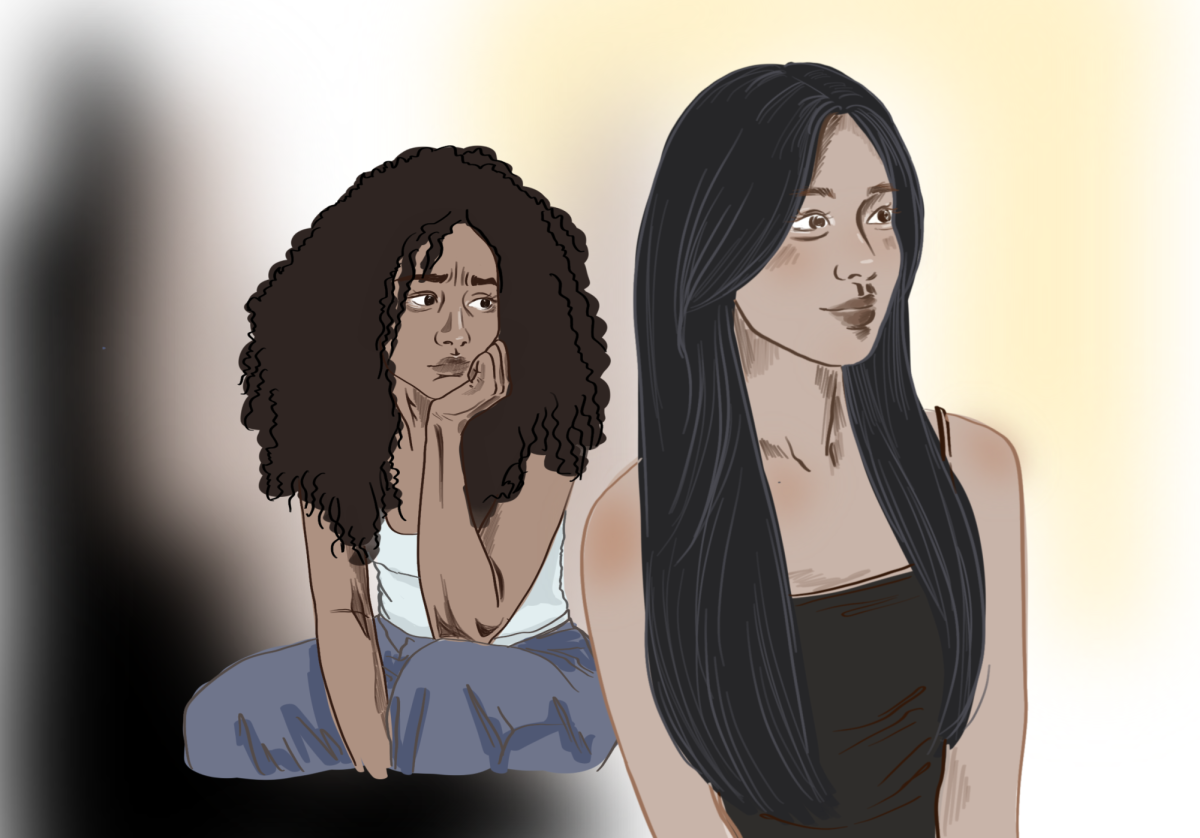
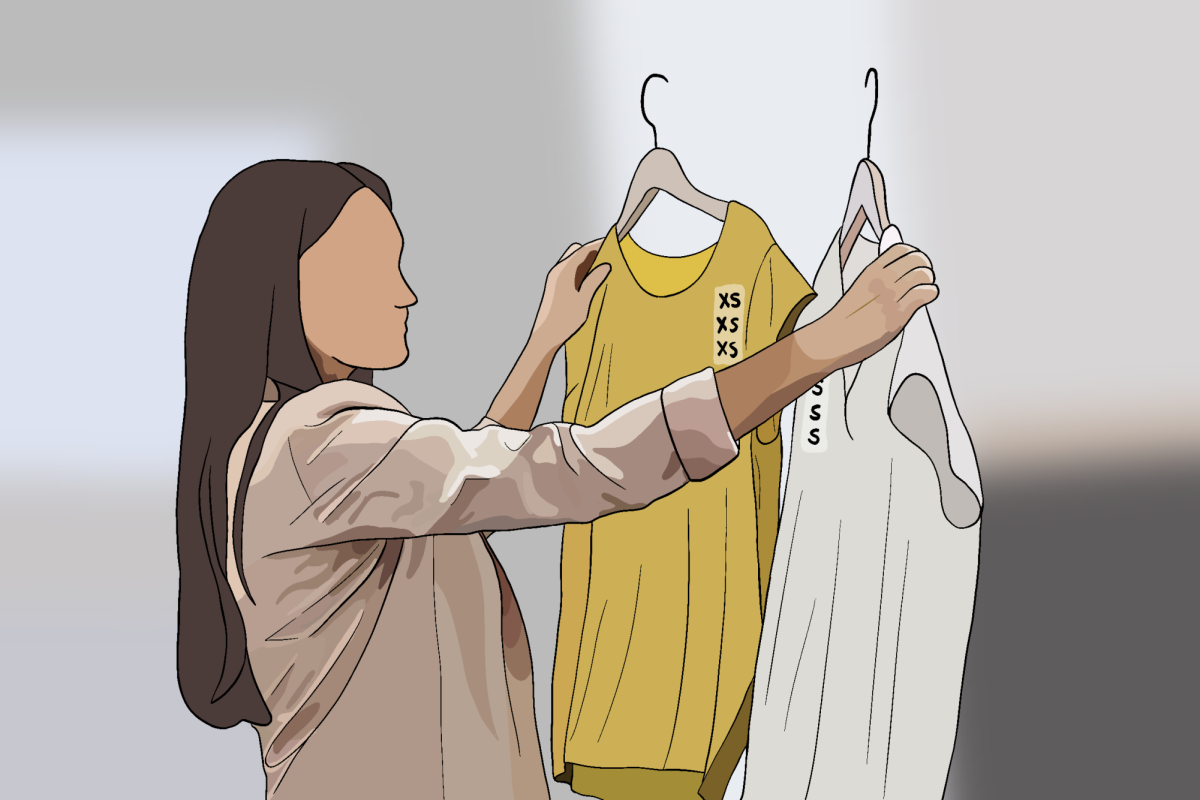
Nonetheless, stereotypes persist today: ladies’ sections still feature tighter cuts, while men’s sections display looser fits. Today, where comfort tops fashion priorities, ladies purchase men’s clothes because of their adaptability to multiple body types and boxy silhouettes.
For men, the barrier to this counter-stereotypical fashion remains high. Women wear masculine attire with little pushback, while men often receive stares and comments when they dress outside expectations, making them more wary of judgment. This stems from limited exposure: without regular visibility, people easily label these outfits ‘unfamiliar’ and ‘weird.’ Societal pressures such as toxic masculinity also come into play.
But despite this pressure, some choose confidence over conformity. For them, clothing becomes a form of self-expression rather than a rule to follow.
The industry takes its first steps to increase exposure to non-stereotypical styles—global influencers and Gen-Z shoppers now push unisex styles into the mainstream on social media platforms.
The industry must continue its steps as it carries heavy responsibility for these preconceptions that trap consumers into certain archetypes of clothing. The removal of gender labels in stores could serve as a good first step and allow shoppers to choose their garments freely without restriction or potential social rejection.
To tackle these gender stereotypes, we need everyday courage from people and real action from brands. Stores can improve sizing, add more unisex options, and get rid of labels, while social media users like us can highlight diverse styles. When people refuse to let these gendered conventions control them, fashion can finally become an expression rather than a compulsory rule.




Phoebe Long 5D • Feb 6, 2026 at 4:22 am
This did not happen out our school, did it? I dun think so, to be honest, it’s more like bullying instead of “Sexist.”
Better Version:
In the 20th century, as population took a great leap, groups known as transgender has began to form throughout society… Stereotypes such as “Girls can’t wear pants”, “Boys are better at sports, etc. has made comfortable clothing very hard for women to find. For instance, one of the unspoken rules is of that ladies should wear tighter clothing than men… (Explain a lot about stereotypes, blah blah blah.)
. • Feb 4, 2026 at 8:17 am
androgynous fits are underrated