


















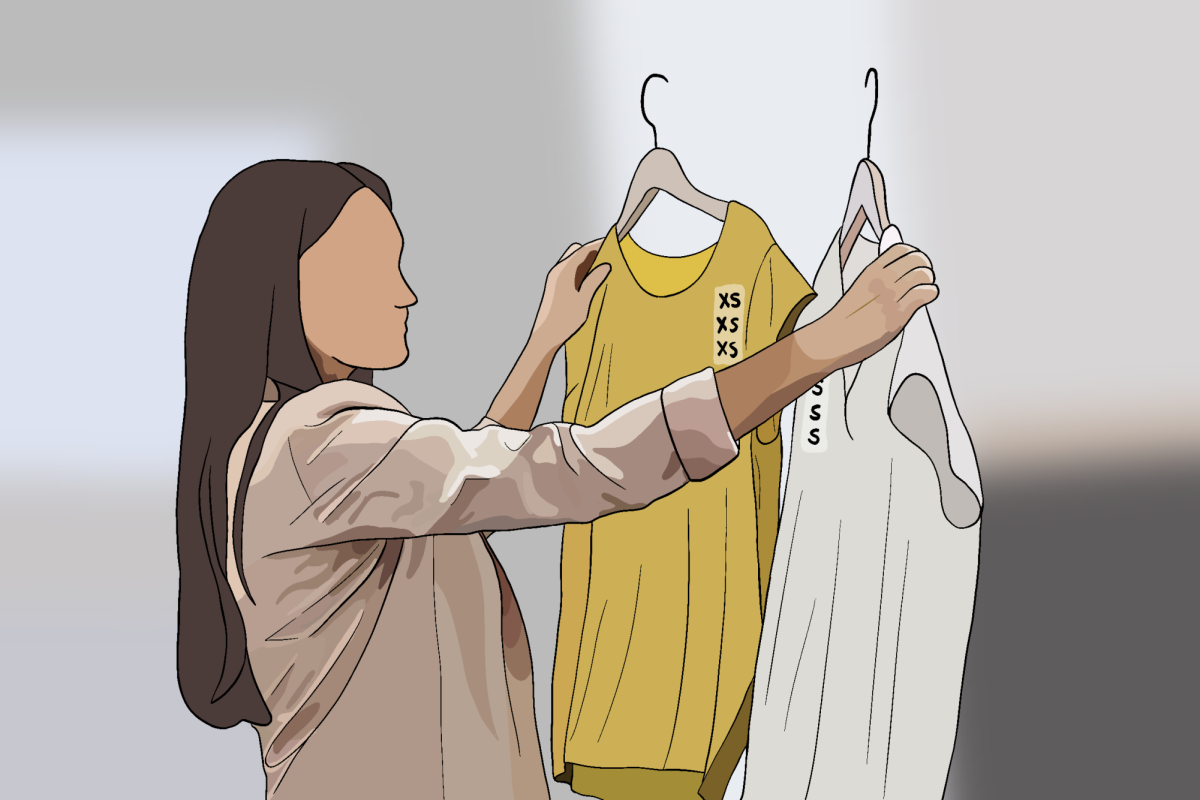
Limited clothing dimensions in Korea present an obstacle for foreign customers—irregular labels and a narrower scope fail to accommodate different physiques.
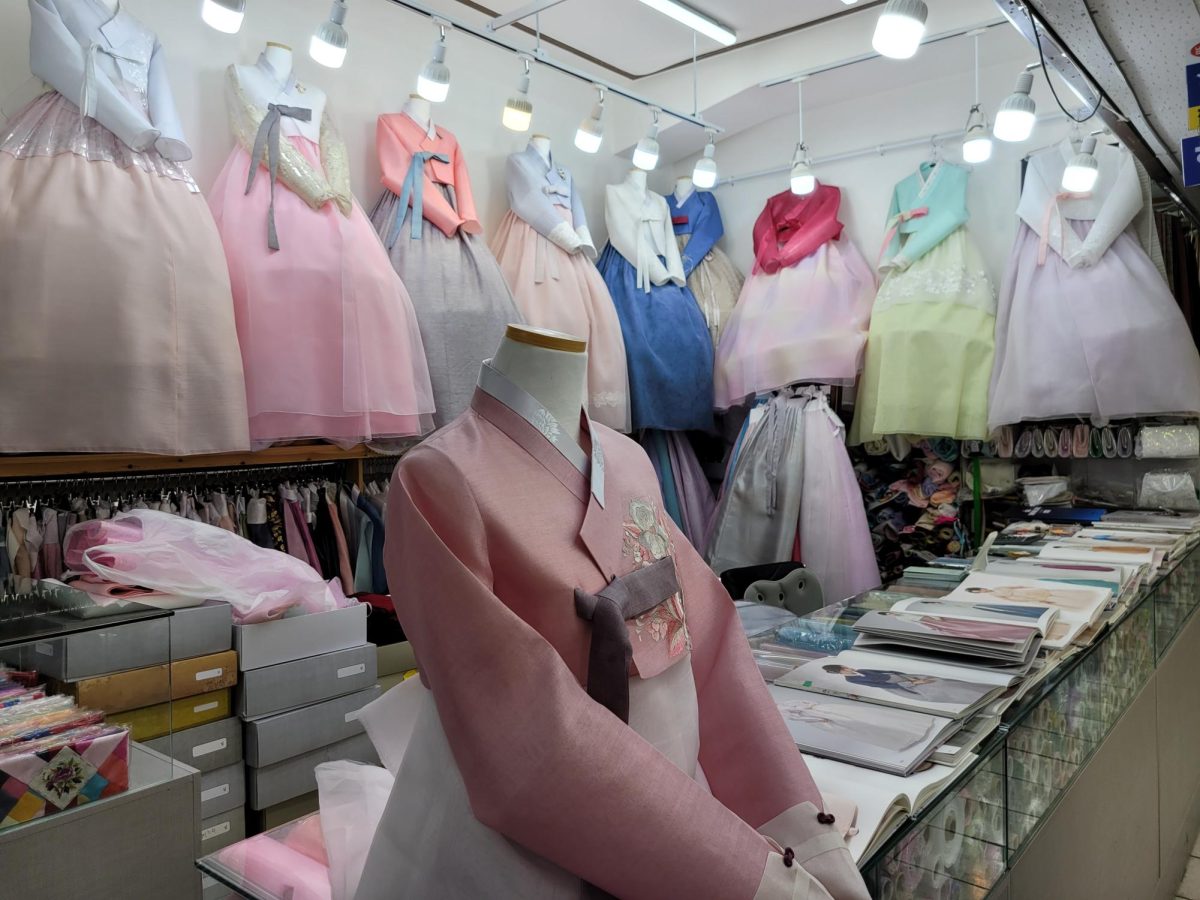
American retailers use both lettered scales along with a numeric notation that ranges from 0 to 12, while Korean stores most often follow a centimeter-based system with numbers such as 44, 55 and 66.
This creates confusion for those accustomed to Western measures. “In the U.S., you just have a small, medium, large, or you have a certain size that fits you. But in Korea, it was harder because it’s centimeter-based, and you’re dealing with [numbers] like 110, 120, 130, 140. Trying to make that conversion is one of the hardest things in the world,” Ms. Downie said.
This vagueness restricts foreigners’ choices to global brands or purchasing abroad. “I don’t do a lot of clothes shopping here unless it’s a very international and licensed brand. I just wait to go home or [use] companies that I know I can have my size,” secondary English teacher Ms. Loutsch said.
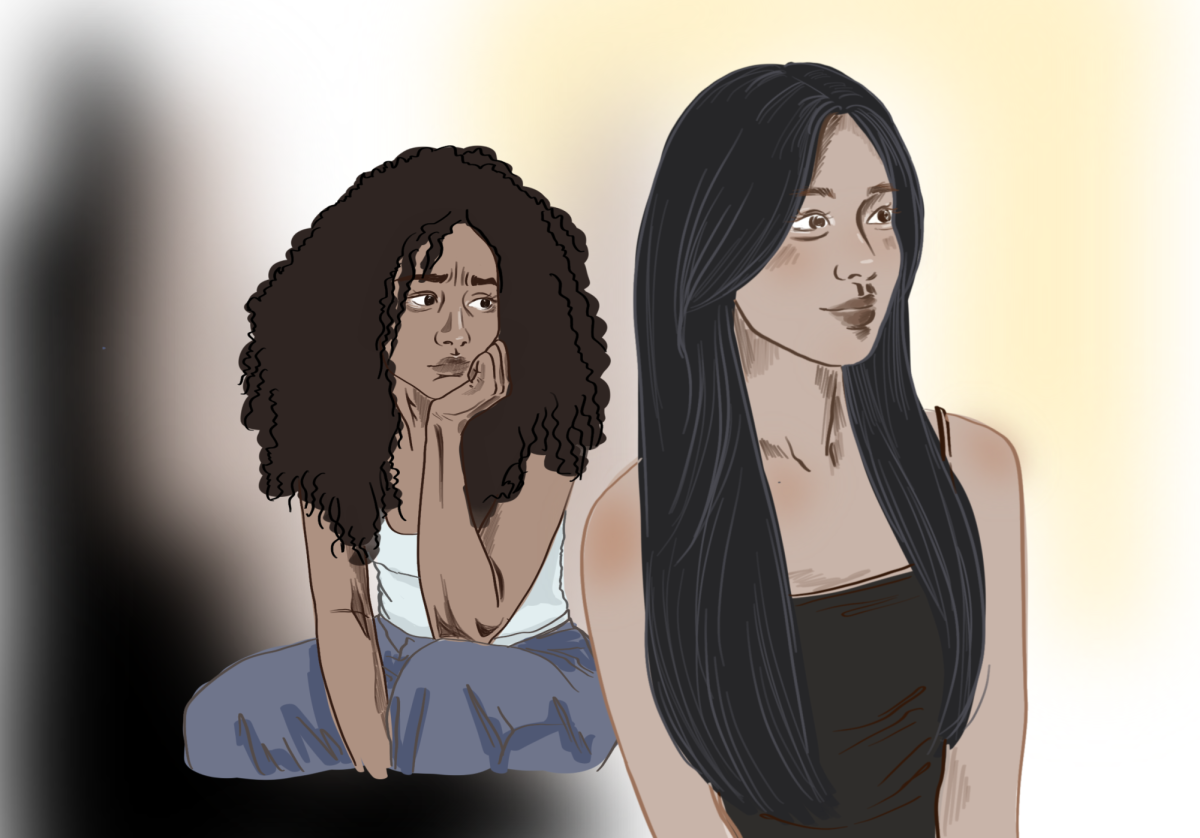
The average Asian body proportions are comparatively smaller than those of other races, which leads Westerners to scale up from their usual size when they shop in Korea. “Anytime I buy clothing from a Korean website, I always choose the maximum size. It’s very much a smart move to size up,” first-grade teacher Ms. Downie said.
This often distorts foreigners’ self-perception of their bodies. “In the U.S., my feet are not big, but here in Korea, it sometimes feels like I’m a giant,” Ms. Loutsch said.
Furthermore, Korea’s online shopping malls often only offer a “free” size. But these one-size-fits-all items do not, in fact, fit all. “They’re not free for everyone. Very petite people would fit the free size, but larger people wouldn’t,” Ms. Downie said.
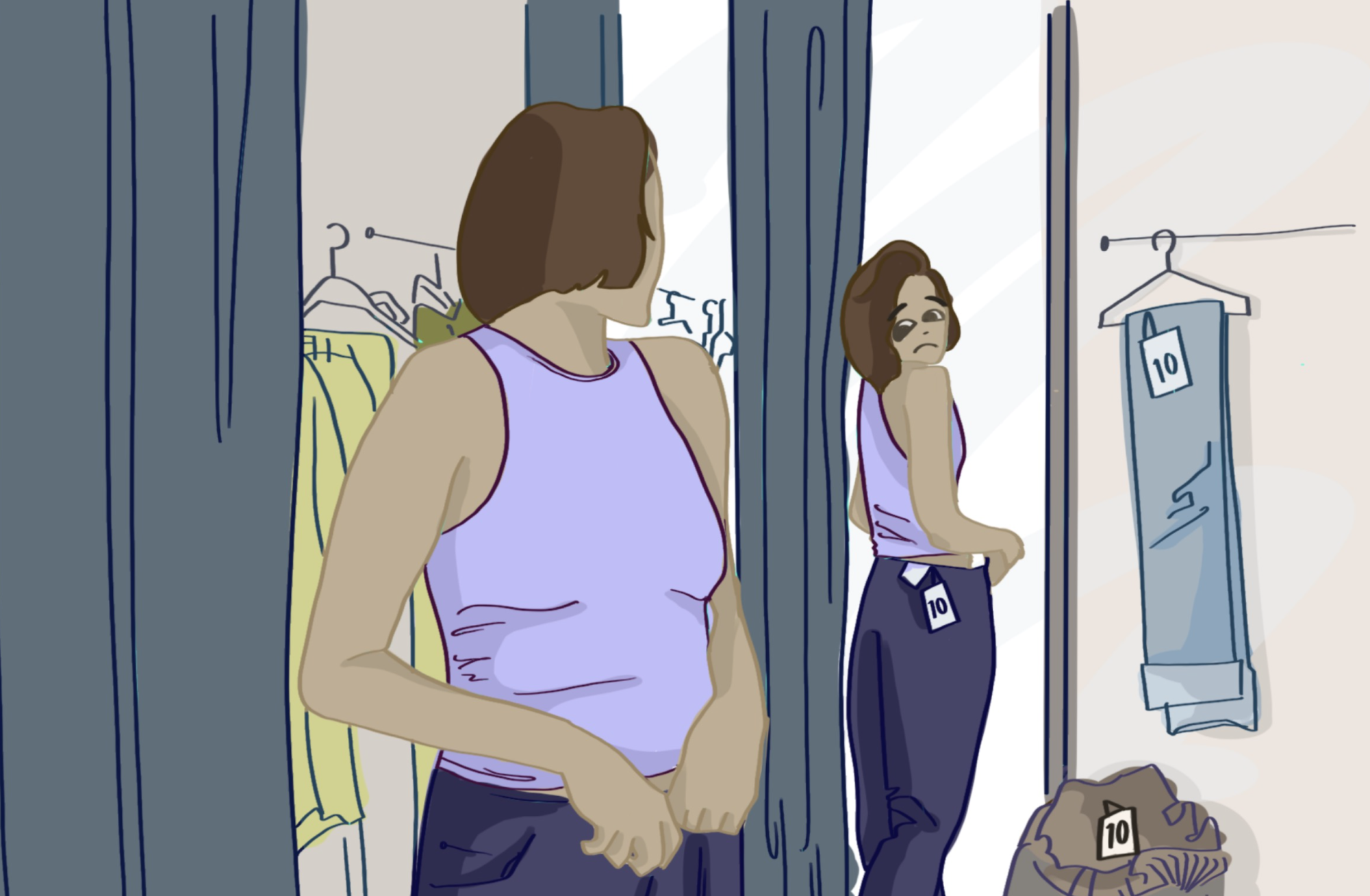
(Reina Li)
Plus-size stores present an alternative option. “There’s an online plus-size shoe shop called Big Shoes, and XXL Man [that] sells clothing,” Ms. Downie said.
On the other hand, these retailers tend to have less variety in clothes, which hinders self-expression. “It’s typically general wear—joggers, regular t-shirts, very plain things. Nothing that would be exciting,” Ms. Downie said.
Daegu’s relatively inactive commercial districts exacerbate the struggles. “You are less likely to find any clothing that will fit a plus-size person in Daegu, whereas your chances shoot up in Seoul. Because they’re bigger metropolitan cities, they have lots of foreign visitors that they need to cater to, and they also have specialty shops which Daegu lacks,” Ms. Downie said.
Many global consumers feel that their challenges will not lead to change. “As an outsider, I feel like my opinion doesn’t really matter because it’s not my place to come in and say they have to change the system.” Ms. Loutsch said.
Limited options and unfamiliar labels barricade access to fashion for foreigners in Korea. A broader and more unified sizing system would lower hurdles for those with different body structures and clarify cultural misunderstandings in their search for new garments.