

















English boasts its status as the international lingua franca, and South Koreans widely regard proficiency in the language as a mark of prestige. In an effort to jumpstart their children in a competitive academic environment, parents enroll students as young as four into English kindergartens, hoping to give them an early advantage.
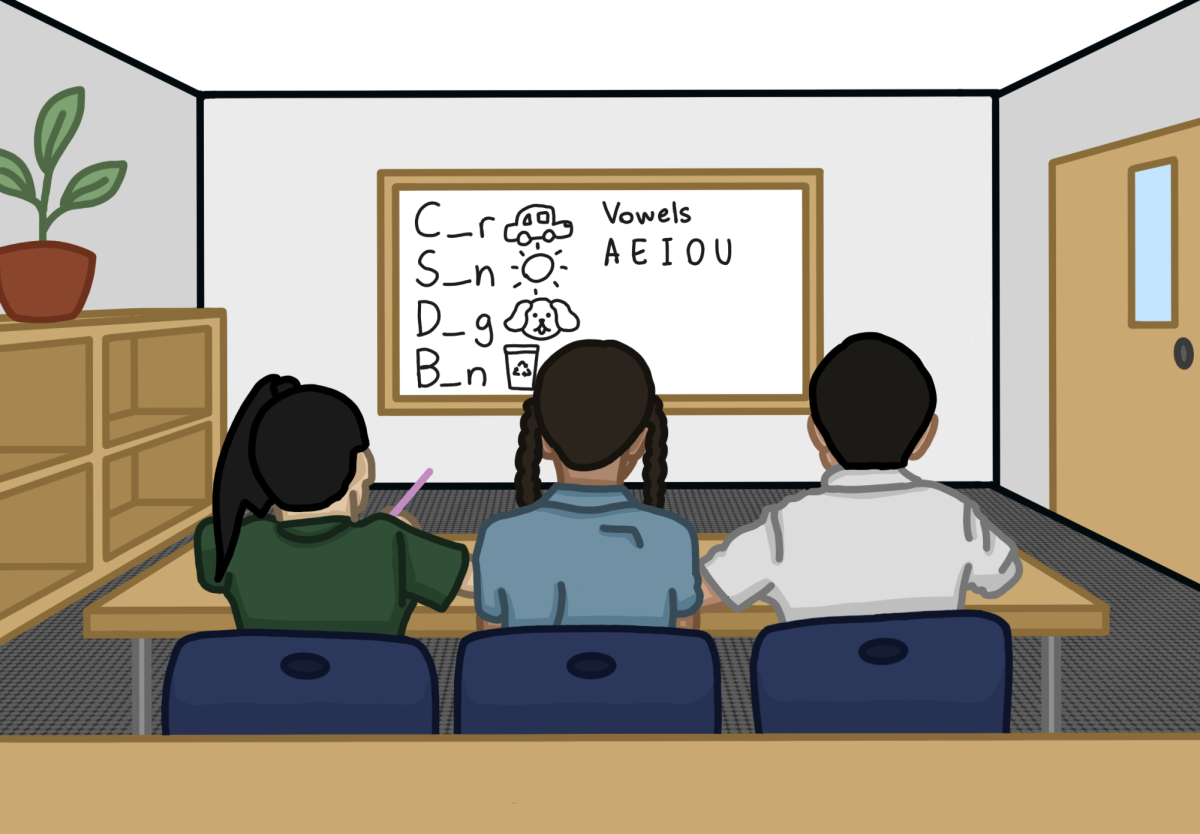
These kindergartens adhere to foreign curricula, ranging from basic phonics to play-based learning. Students interact primarily in English with their foreign teachers, which creates an immersive environment that parents value highly despite exorbitant tuition – so much that tuition can cost more than triple the cost of a university.
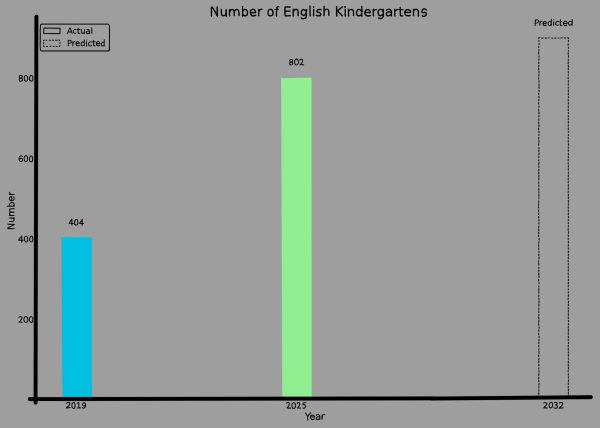
Despite these high fees, averaging 1.36 million won ($1,000) in Seoul, demand continues to skyrocket. The number of such institutions rose from 474 in 2017 to 802 in 2025, which reflects parents’ willingness to spend heavily on preschool education.
Parents bear the hefty price tag because English kindergartens expose children to a foreign language from a young age. Attendance at these programs correlates with higher English grades in elementary school.
These institutions serve as a crucial stepping stone for a wider range of academic pursuits. “A lot of our students go on to attend international schools. I think that the experience [of learning English] can inspire students to pursue that path,” said Ms. Park, an instructor at an English kindergarten.
Yet, controversies arise over potential mental strain; prolonged academic pressure during developmental years often damages a child’s focus and emotional well-being. Furthermore, forced inception may turn language education as a stress source instead of a valuable asset.
To mitigate these concerns, most academies employ entertaining pedagogies. “[The children] are very energetic, so we teach them with the same enthusiasm. We use engaging, story-based learning as well,” said Ms. Park. With appropriate lessons that align with the kids’ level, these programs make English a fun and enjoyable part of education.
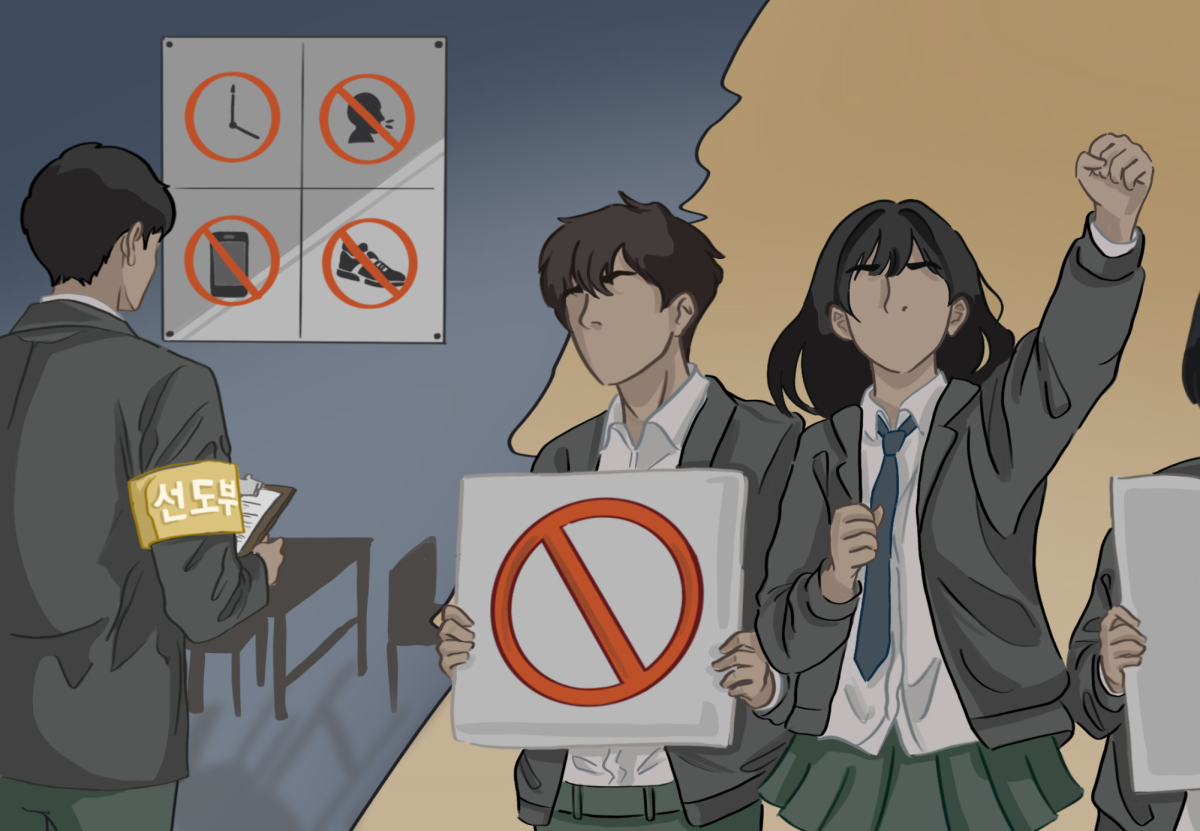
However, the biggest issue centers on accessibility. The overwhelming cost limits enrollment for average families and widens the existing education gap. In response – alongside concerns over early academic pressure – the government proposed the English kindergarten ban law, which limits preschool English courses to 40 minutes and prohibits all forms of private education for those under 36 months old.
However, this potential disparity does not negate the value of specialized kindergartens; rather, it highlights their effectiveness. This makes restrictions ineffective — a great majority of families would continue enrollment through private tutors and online lessons, even after the English kindergarten ban. In order to truly root out the disparity, society should make efforts for all children to benefit from early language exposure.
Ultimately, English kindergartens represent more than just another academy in Korea: they serve as gateways to a much diverse, interconnected world. As long as academies continue to adopt engaging and age-appropriate education styles, they will remain an unrivaled opportunity for a broader future.