





































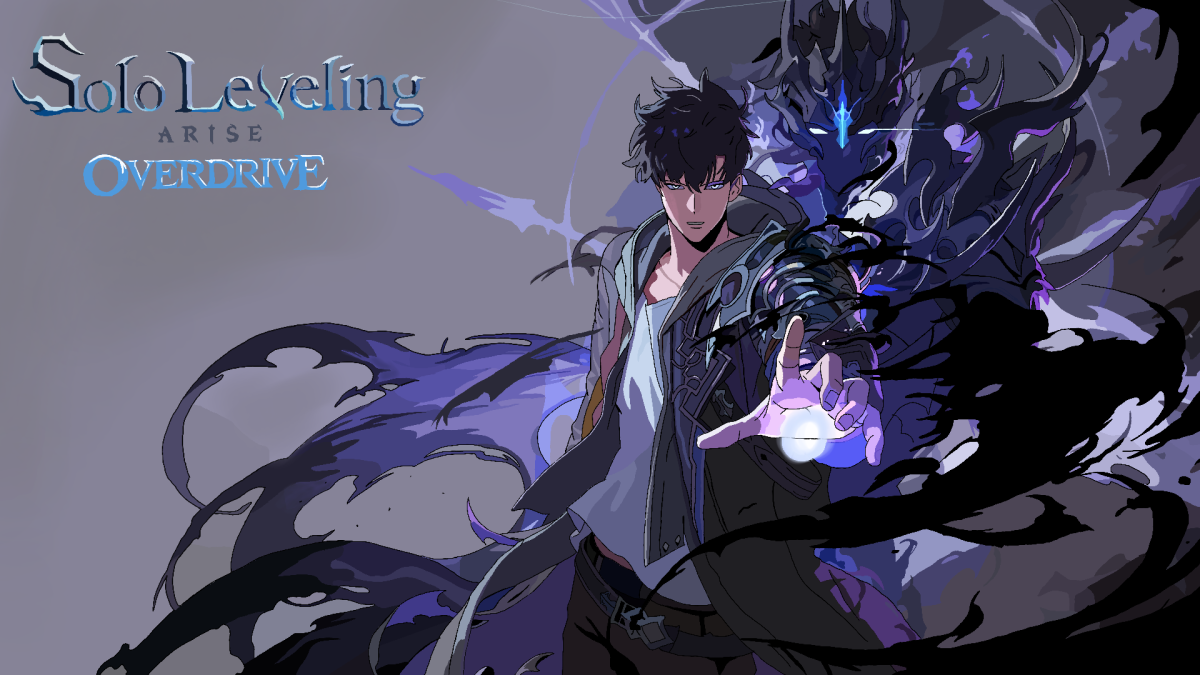
Solo Leveling: Arise Overdrive (stylized Solo Leveling: ARISE OVERDRIVE) is the kind of game that impresses initially, yet slowly reveals how little it has to offer. Built off an already popular franchise, it leans heavily on series familiarity and visual flair with shallow mechanics for easy engagement.
Like many other games derived from pre-existing IP (intellectual property), it delivers a repetitive experience designed to cash out on popularity rather than expand upon the world it’s based on. It plays like an upgraded PC port of its mobile counterpart, Solo Leveling: ARISE, and doesn’t deserve the ₩46,000 I forked over.
Based on the hit web-novel turned manhwa and anime series of the same name, Solo Leveling: Arise Overdrive is a hack n’ slash RPG game released on Steam on Nov. 20th, 2025. Developed by Netmarble NEO as a standalone sequel to the mobile game Solo Leveling: ARISE, the design borrows from the Final Fantasy VII remakes, Monster Hunter, and Granblue Fantasy: Relink. Players control Sung Jinwoo as he rises in a world where Hunters and monsters clash albeit through showy combat mechanics, arduous character progression and low-stakes gameplay.
Set in a world where mysterious Gates appear and release fantastical monsters into modern society, humanity relies on Hunters, ranked from E to S, to survive. Solo Leveling follows Sung Jin-woo, an E-Ranked Hunter, who delves into Gates on dungeon raids to support his family and make ends meet. After a raid goes wrong, he nearly dies and receives a second chance through a mysterious “System” that allows him to level up.
The source material follows a tightly paced power fantasy built on attrition, tenacity and earned dominance as Sung Jin-woo claws his way to the top from nothing to the strongest Hunter alive.
If you think the game plays out with the same grandeur, prepare for disappointment. The parts of the story present as motion comic versions of the manhwa, with the occasional game cutscene of wildly inconsistent quality and abrupt transitions that assume prior knowledge. Plot points and story beats come and go without much build-up and long stretches of side missions prevent access to the main story. Anyone new to Solo Leveling should avoid the story missions as a gateway into the series. Just read the webnovel or manhwa if you want to experience the story in all its glory. The game doesn’t do it justice.
On the topic of source material, ARISE OVERDRIVE has no regard for plot significance or narrative weight. Iconic moments from the original work lose their breadth, collapsing into standard boss battles no different from any other. Specific mechanics emphasized in the source, like limited heals, scavenged equipment and survival under pressure either function differently or vanish entirely.
At times, the game takes away player control, using cutscenes for moments that should be playable or forcing side missions or other Hunters instead. Players don’t experience Jin-woo’s struggle firsthand. Instead of engaging with key moments, they simply watch them unfold with no interaction at all. This breaks immersion and makes many major victories feel like scenes from a movie rather than moments earned through gameplay.
Speaking of gameplay, it outperforms the narrative but grows tedious. After a short tutorial, players choose one of four classes: Assassin, Duelist, Elementalist, or Ruler, each with its own weapons, playstyle, and difficulty. A few early missions introduce Jin-woo’s story, then the illusion breaks as the game slowly devolves into an absolute bandit beater.
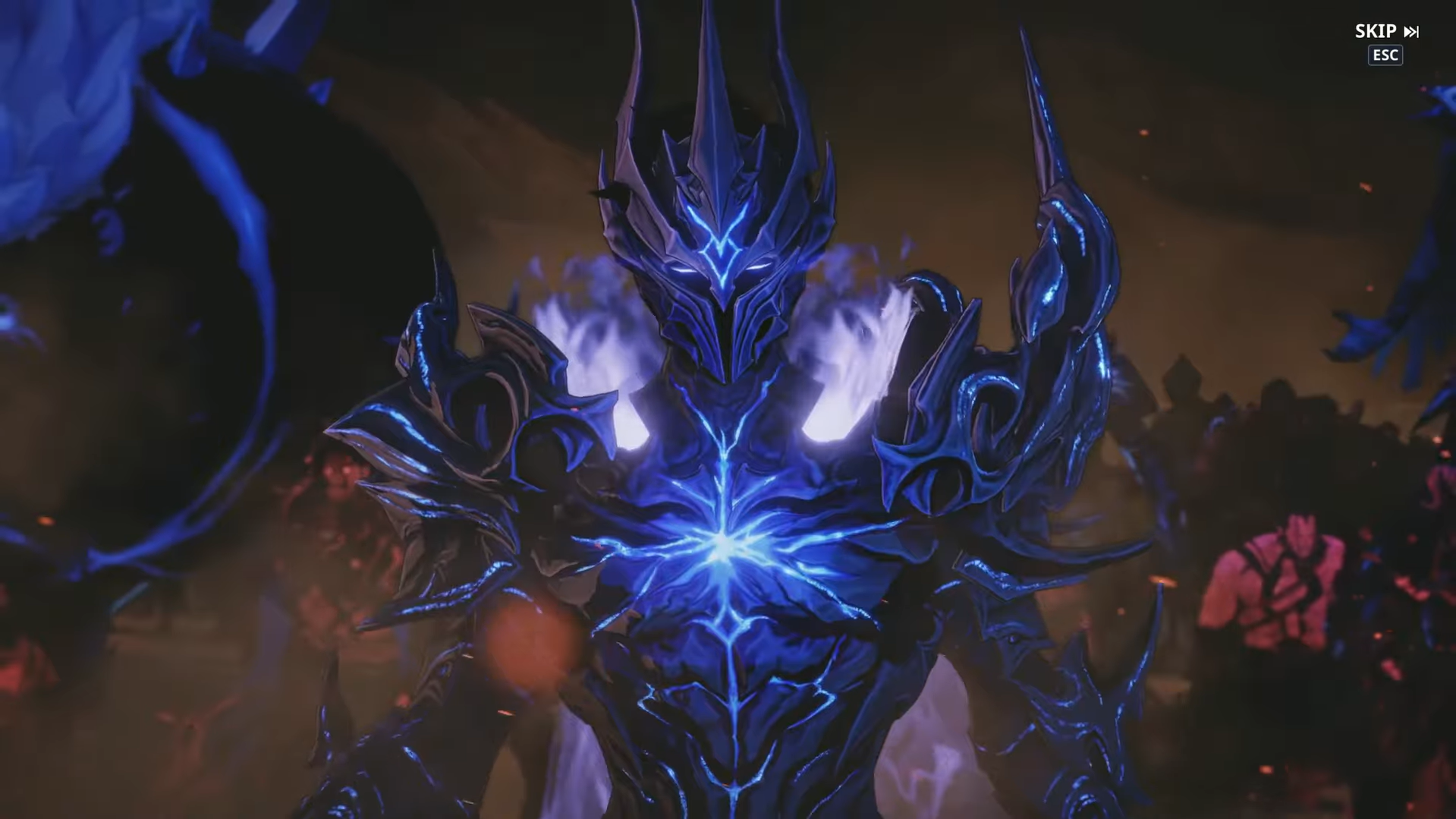
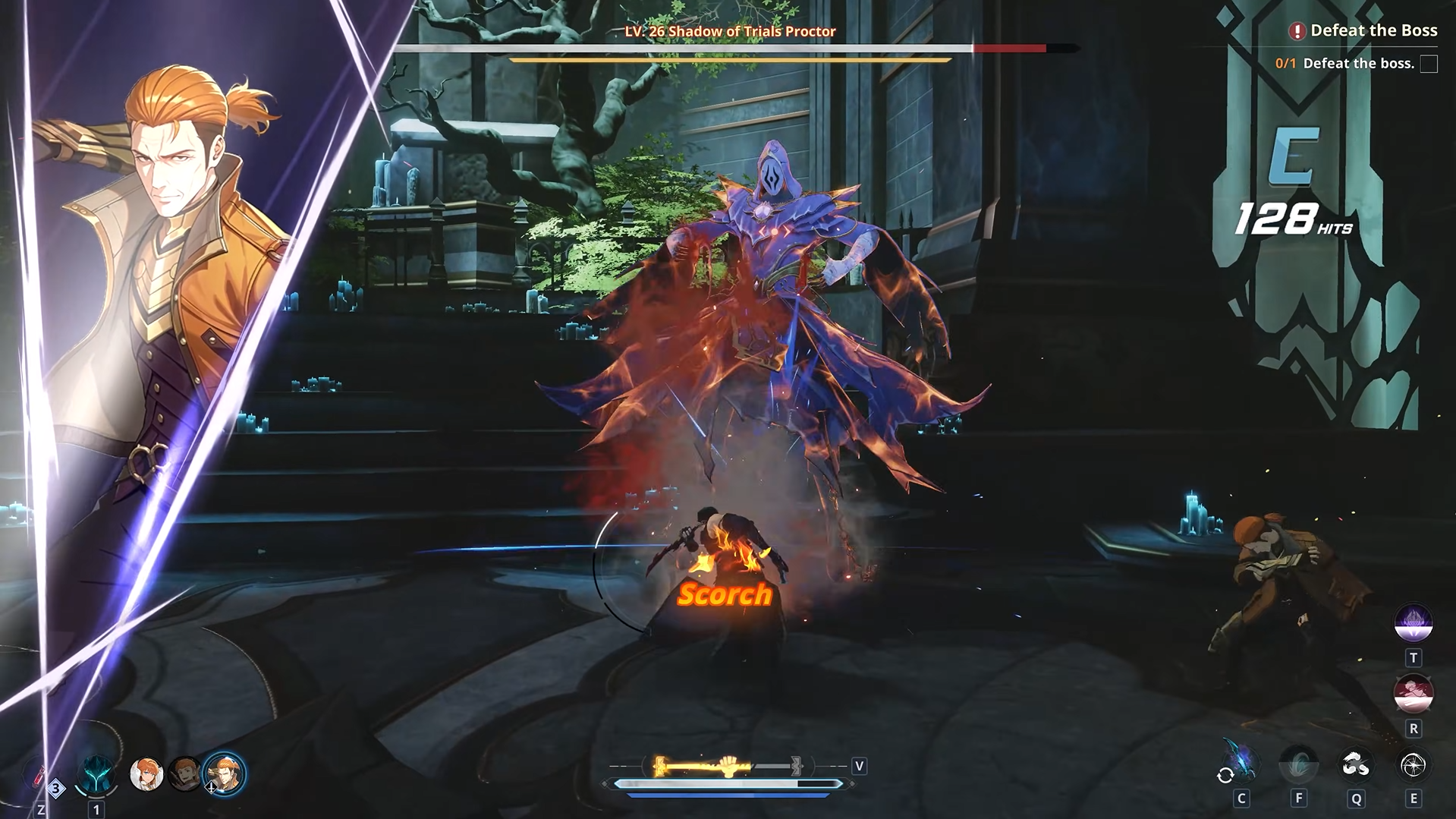
Every other moment of gameplay follows the same four-step loop: enter a mission, clear waves of fodder enemies, kill a recycled boss or two, collect loot, rinse and repeat. In the same vein of thought, combat rarely changes, players spam weapon skills, trigger a special attack, swap weapons and repeat until the screen empties. Occasionally, an Ultimate move or Overdrive appears after reaching a damage requirement and floods the display with effects and delivers a brief rush before the meaningless loop resumes.
Early combat lands well and briefly, even fun. Movement feels snappy and uncomplicated and, apart from some long or especially boss-filled missions, the difficulty feels generous without sacrificing challenge. Flashy effects, elemental status conditions, and mowing down fodder sends constant dopamine hits. That spectacle carries the game until you hit your first overpowered boss that the game didn’t prepare you for and you learn the hard way that because being underleveled means death. Then you get the idea of how grindy the rest of the game is going to be.
Compared to the mobile game, the removal of gacha mechanics feels triumphant. Gacha refers to a popular video game mechanic where players spend in-game currency to receive randomized virtual items, like rare characters or gear. The problem with gacha is that the in-game currency used to purchase the spins, lootboxes, or other mystery bag equivalents are usually obtained from microtransactions which bypasses the massive grind that free-to-play players have to deal with.
Now without pay-to-win shortcuts, progress depends on effort alone. Downside: the grind is now justified and it rains hard. With no shortcut and abysmal drop rates, you’re now expected to replay missions for the thirteenth time to obtain a new item from loot or to get enough experience to level up. Other Hunters gained throughout the story require separate leveling paths and equipment trees. The whole system of leveling up your items and your party stretches your already limited resources thinner, forcing you to repeat missions even more, to become stronger. The progression system renders you into a machine of missions, loot and prayers.
Visually, ARISE Overdrive shoots and scores. Environments vary across maps enough to not feel drab, character models look sharp and combat animations deliver constant graphic flourish. When everything works, the game reveals its coveted fruit of bright lights as enemies are annihilated from a flurry of animation.
This spectacle isn’t always free from disappointment, however. Bugs and performance issues rear their ugly heads when you least, or completely, expect it. Character models disappear during ultimates, audio cuts in and out, frame drops in the middle of some cutscenes and lag and stuttering when effects start to fill your screen. Nothing that breaks the game but things that are in testing and just give off an air of unrefinement.
All in all, Solo Leveling: Arise Overdrive gets a 2.75 out of 5 stars. Spectacle can’t hide its shallow mechanics, relentless repetition and soulless progression. What a supposed triumphant power fantasy presents instead becomes a low-risk, low-reward bandit beater that neither respects its source material nor justifies its price tag.
If you want Solo Leveling, read the manhwa or watch the anime. If you want a game that embodies a power fantasy, look somewhere else. Solo Leveling: Arise Overdrive is a waste of time and I’d like my money back.





Aiden • Mar 5, 2026 at 6:29 pm
Good illustration
Victoria • Mar 5, 2026 at 6:14 pm
Woooow the illustration is INCREDIBLE Jack you’re so talented!!!!