






























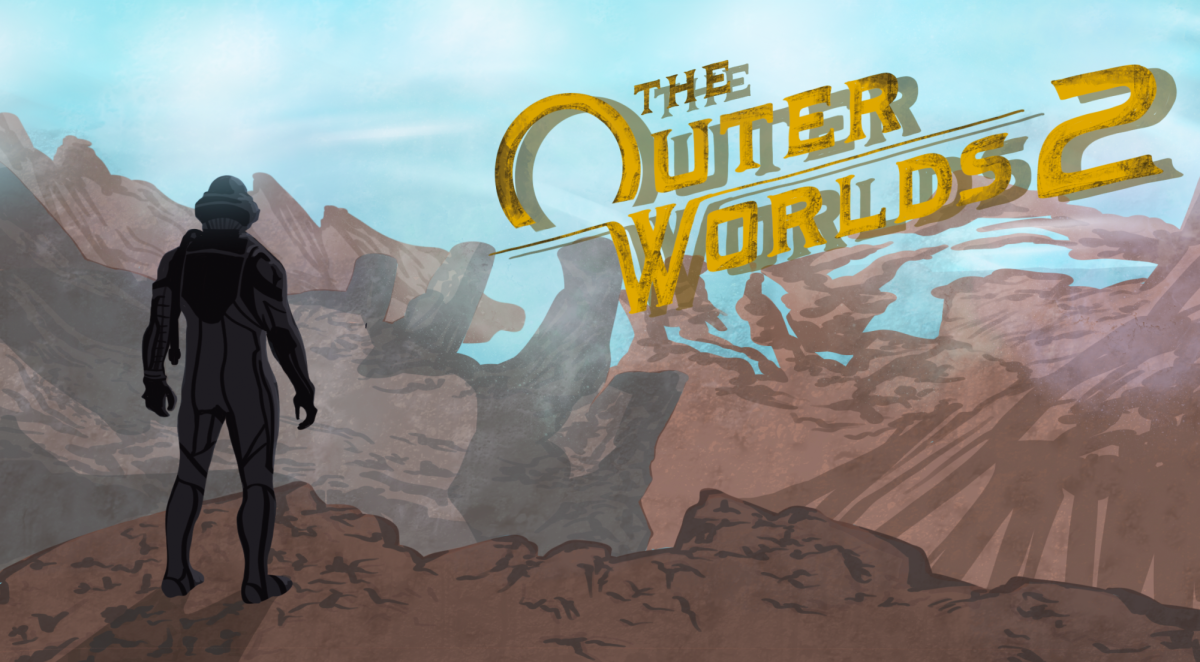
The Outer Worlds 2 presents itself as an ambitious, earnest, but ultimately fine experience – a gorgeous game that quietly suffocates in its own flaws. Developed by Obsidian Games, the single-player science fiction action RPG (Role-playing Game) came out on Oct. 29 for PC, Xbox Series X/S, and PlayStation 5.
The critically acclaimed studio doubled down in its classic player-driven RPG shooter format. From Fallout: New Vegas to Avowed, Obsidian sticks close to its established design philosophy. This standalone sequel doesn’t offer much more than the “steer the fate of the land” narrative and familiar combat found in any other open world shooter ever. There’s a great game buried under here somewhere, just prepare to work for it.
Set in a future where U.S. President William McKinley was never assassinated, Theodore Roosevelt never became president as his successor, and corporate monopolies never broke up, the planets across the universe became colonized by money-hungry industrialists and authoritarian governments. In response, the Earth Directorate was formed to act as the grand arbiter of humanity.
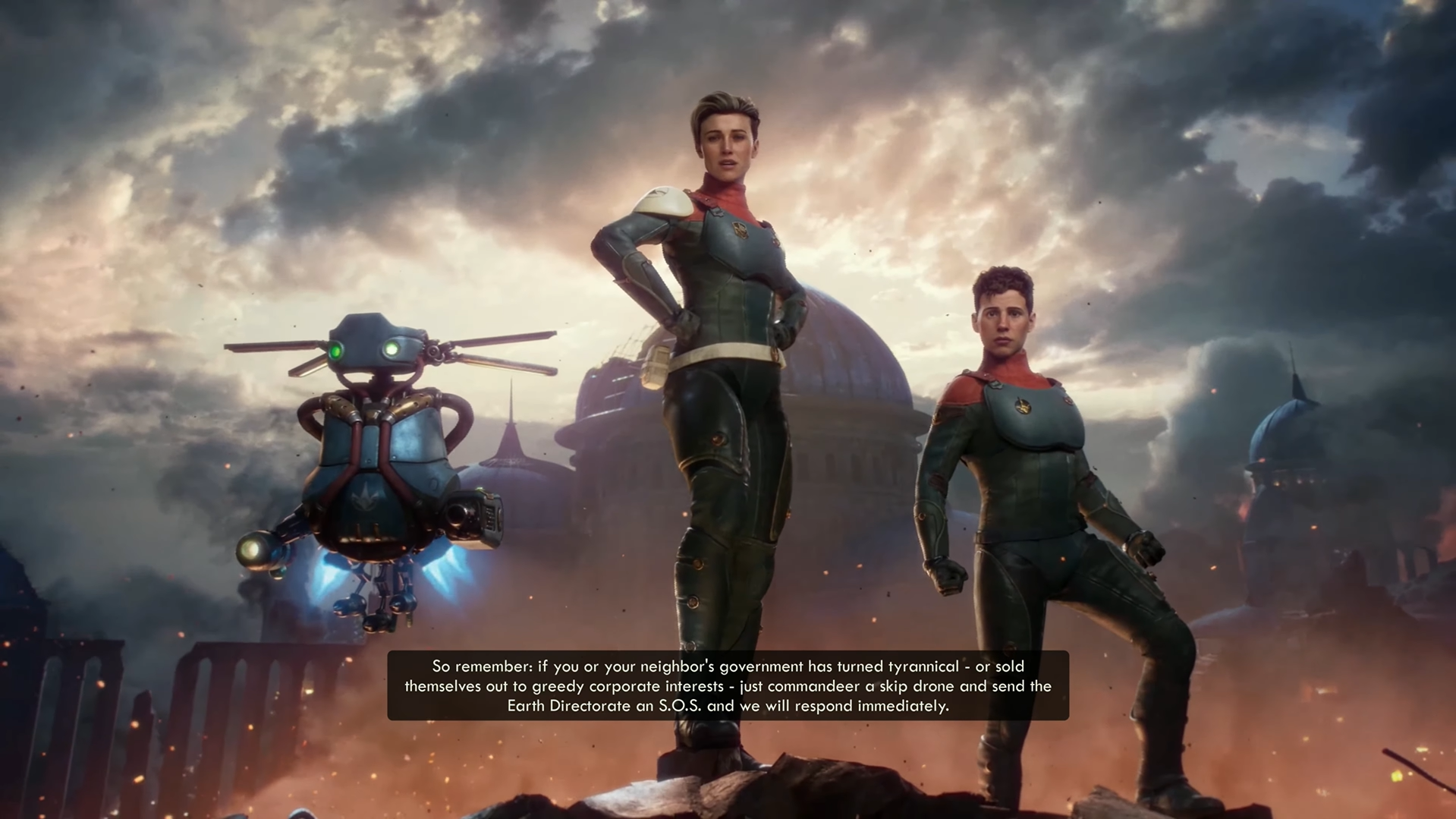
Until out of nowhere, anomalies that tear reality called Rifts appear that originate from the Skip Drive: the very technology that allows for faster-than-light travel on spaceships; it’s your job to fix it.
You play as an Earth Directorate agent in 2355, deployed to the region of space called Arcadia where the Skip Drive was discovered. Your mission: uncover the cause of the Rifts and save the universe.
The catch? Every major faction in Arcadia wants control of the Rifts as well. To succeed in your mission, you’re forced to ally with them and, either directly or otherwise, lead the fight for their dominance over Arcadia.
From Auntie’s Choice, a ruthless corporate entity, to the authoritarian Protectorate of Arcadia led by the discoverer of Skip Drive and the idealistic Order of the Ascendant, who seek a solution to a universal equation, each faction is driven by a distinct ideology. Their differences and conflicts drive the narrative forward while half the challenge and half the fun, at least once the narrative starts to care.
First off, you don’t need to play the first game to enjoy this one. Arcadia exists separately from The Outer Worlds and seldom references its endings or major lore. Even when callbacks do appear, they feel more like easter eggs and “gotcha” moments rather than something meaningful.
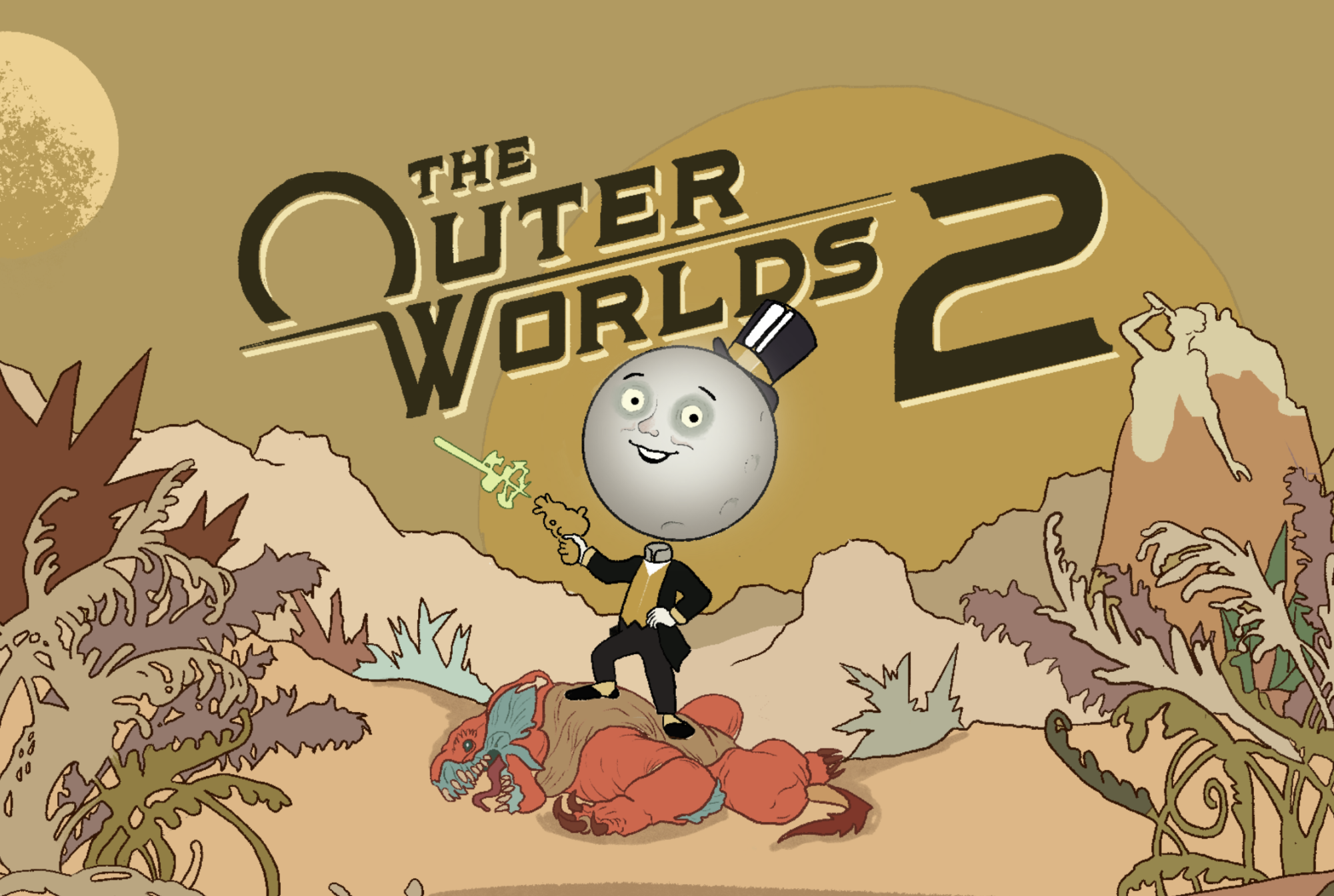
That said, as a fan of the first game, the sequel complements the series. The first Outer Worlds game felt like a proof of concept. It had charm, roughness, and carried itself with its quirky humor. It leaned into its corporate dystopia theme while the second game took a more of a crack at the problem. The Outer Worlds 2 feels more polished, with smoother combat and denser environments, but pays homage to its predecessor as it carries the same DNA as an Obsidian RPG game.
The world of Arcadia fascinates and feels fleshed out. Not because you are forced into the story, but through Obsidian’s forte: environmental storytelling. NPC dialogue, terminal logs, and even the loading screen further contribute to what faction you have to decide as the lesser of a myriad of evils and to rule Arcadia. This sort of morally gray worldbuilding serves to accentuate Obsidian Game’s signature writing style and contribute to the immersion of the world even more, at least to those who appreciate the lore of video games and how the lore affects the game world.
The problem is follow-through. The narrative weight is there, but the gameplay rarely allows you to sit with it. Instead, you’re usually killing the nearest alien or bouncing between NPCs to finish a quest. Therein lies the problem: the story is forgettable and only serves as background noise.
Missions blur together, and the narrative disappears by the end of the play session. Even Rifts, the very mystery you’re supposed to solve, turn into a background element and a nuisance because, as you discover through your companions, it’ll become a real threat in six to eight years. Meanwhile, you die instantly when you touch them, and in the middle of the game, there’s an item that lets you reach into Rifts and loot them for items. So what was the point of this urgency to begin with?
Let’s talk gameplay. The beginning of the game starts off with customizing your character’s appearance. Then, you mess around with the part that changes the game, like careers, perks, and traits that amplify stats and give advantages to certain playstyles or grant unique dialogue options.
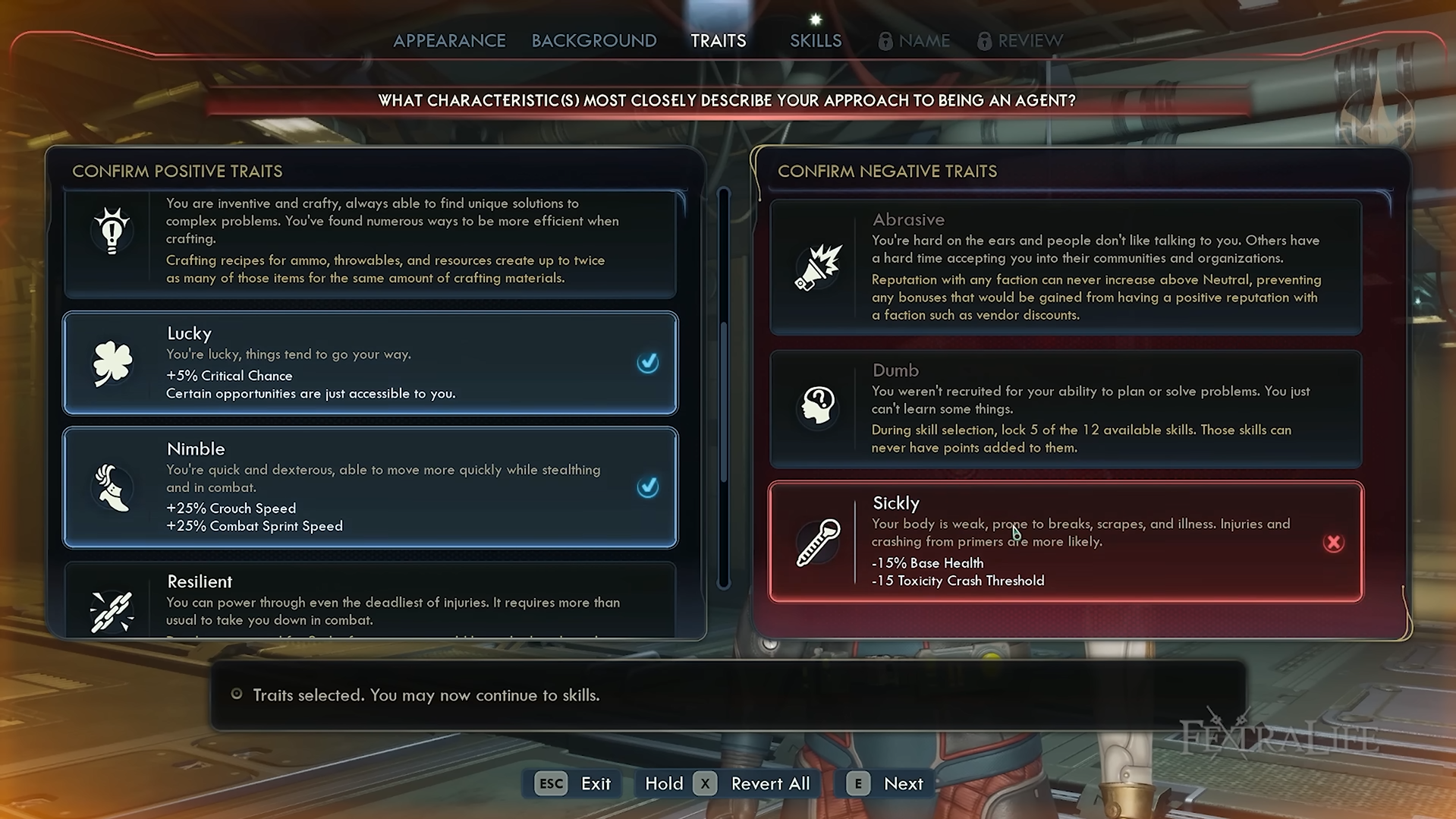
The combat racks up when your perks and traits come paired with stats that range from Observation to Explosives. With a wide arsenal of weapons and armor, ammo types, modifications, gadgets and limited skill points per level, there’s real room to customize and play the way you want. Too bad most of that freedom gets sidelined when you just pick the gun with the biggest damage number, since anything weaker makes no sense unless an enemy has a weakness to that specific ammo type.
After you finish character customization and saunter past the tutorial, the actual game emerges. But if you expected something revolutionary, I’ve got bad news. It doesn’t depart from a standard open-world RPG and retains the repetitive “fight, loot, level up, repeat” gameplay loop that goes along while you run around, do quests and try to progress. It’s nothing new and an industry standard in RPG games. Interesting thing about it, the amount of ways a quest can end is massive
Companions serve as add-ons to the story and the gameplay, with memorable characters that also have their own combat styles and level upgrades. You can recruit them from your favorite organizations and participate in the story of the world. But instead of the combat, they also just become bullet sponges that need constant revival or glorified distractions.
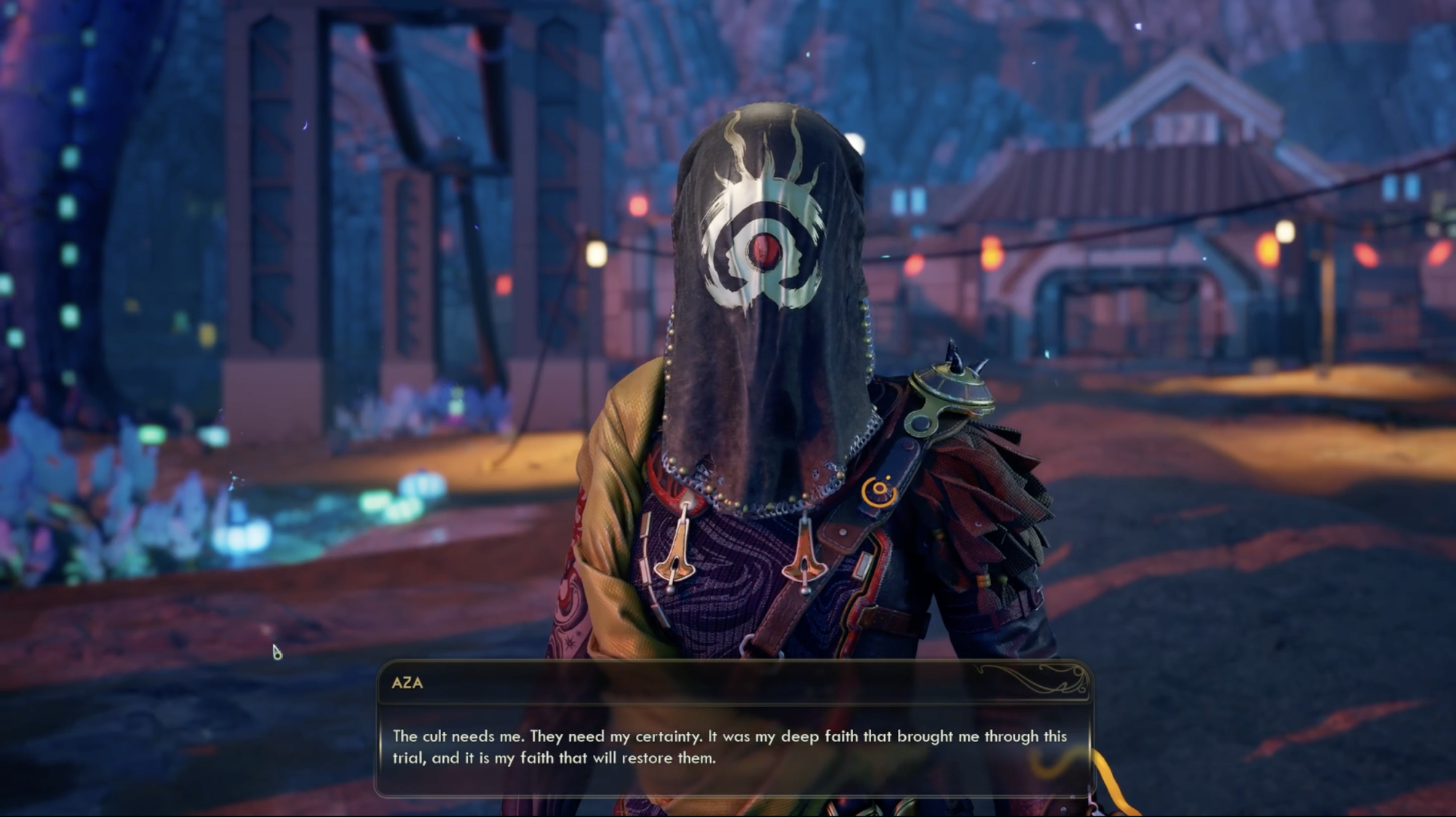
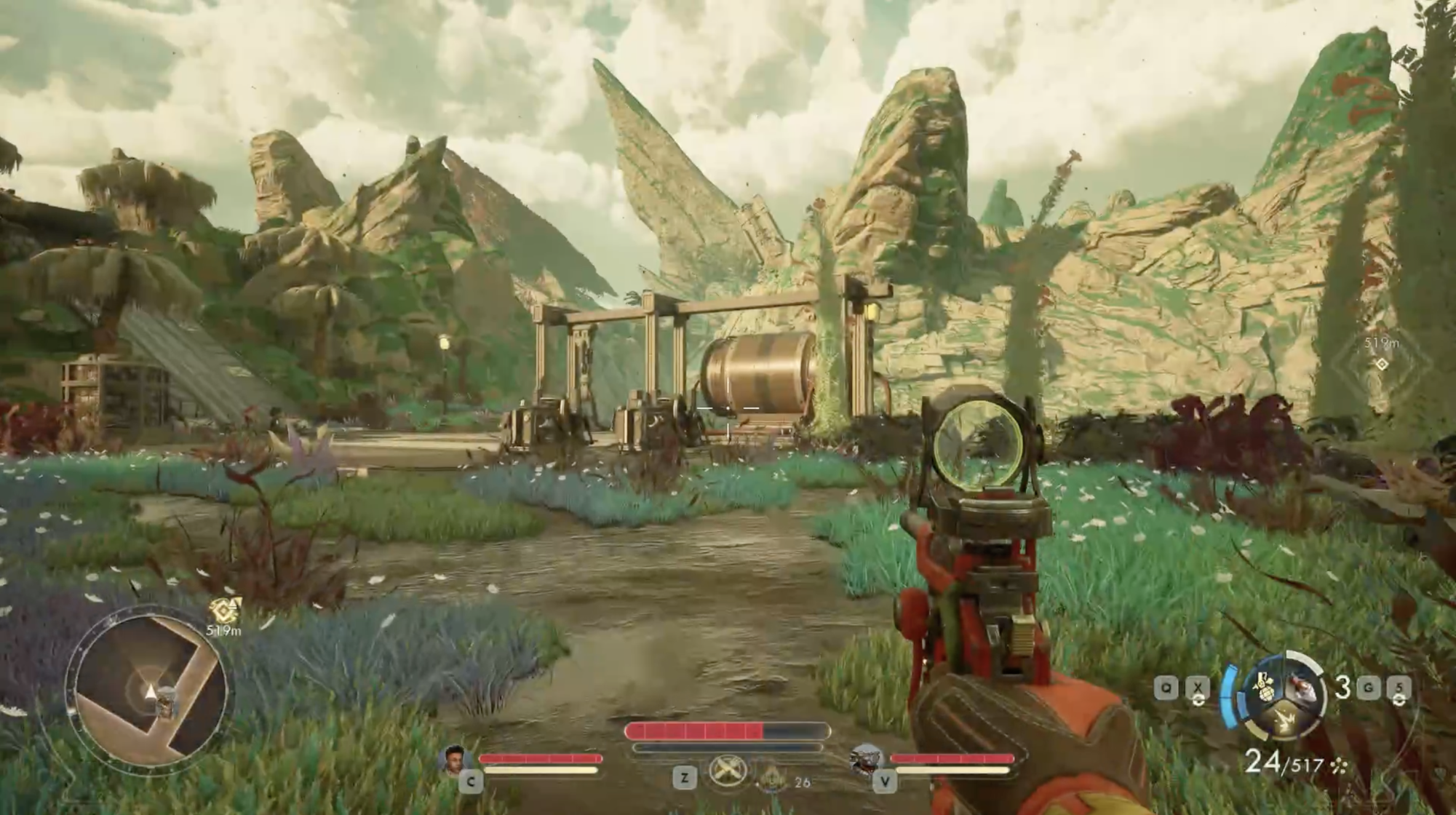
Contrarily, the visuals look spectacular. From lush alien forests to glowing fungal plains, giant views of planets to utopic outposts and hideouts that feel alive with their own unique cultures and NPCs, it’s all eye candy for those who love worldbuilding.
Voice acting and animations ring stellar, but the facial expressions undersell the work done behind the scenes. Another point that becomes a bit repetitive is the lack of NPC variety. You’re stuck between just about the same people, robots, and alien life across different planets. Even non-hostile NPCs have a lack of character and diversity, even when they try to act zany and eccentric. You’re surrounded by people who need a quest marker to matter or a weapon to make them a threat.
All in all, it gets 3.5 stars out of 5. It does nothing revolutionary in its game design and feels more like any other Obsidian game ever—the same expected reactive RPG rehashes since New Vegas. They could’ve made the next Skyrim, Witcher 3, Red Dead Redemption 2, yet they fall short as always.
Though not a masterclass in videogames, The Outer Worlds 2 offers an expanded storyline with shined-up writing, a gameplay loop that knows what it does is good enough and refuses to innovate, and visuals that make you and your setup cry.
Honestly, if you crave to enter The Outer Worlds once more, or if it’s your first foray into Obsidian Games, go right ahead and reward yourself with a solid 40 hours’ worth of content. But if you own any of the other titles, don’t waste your money.