









































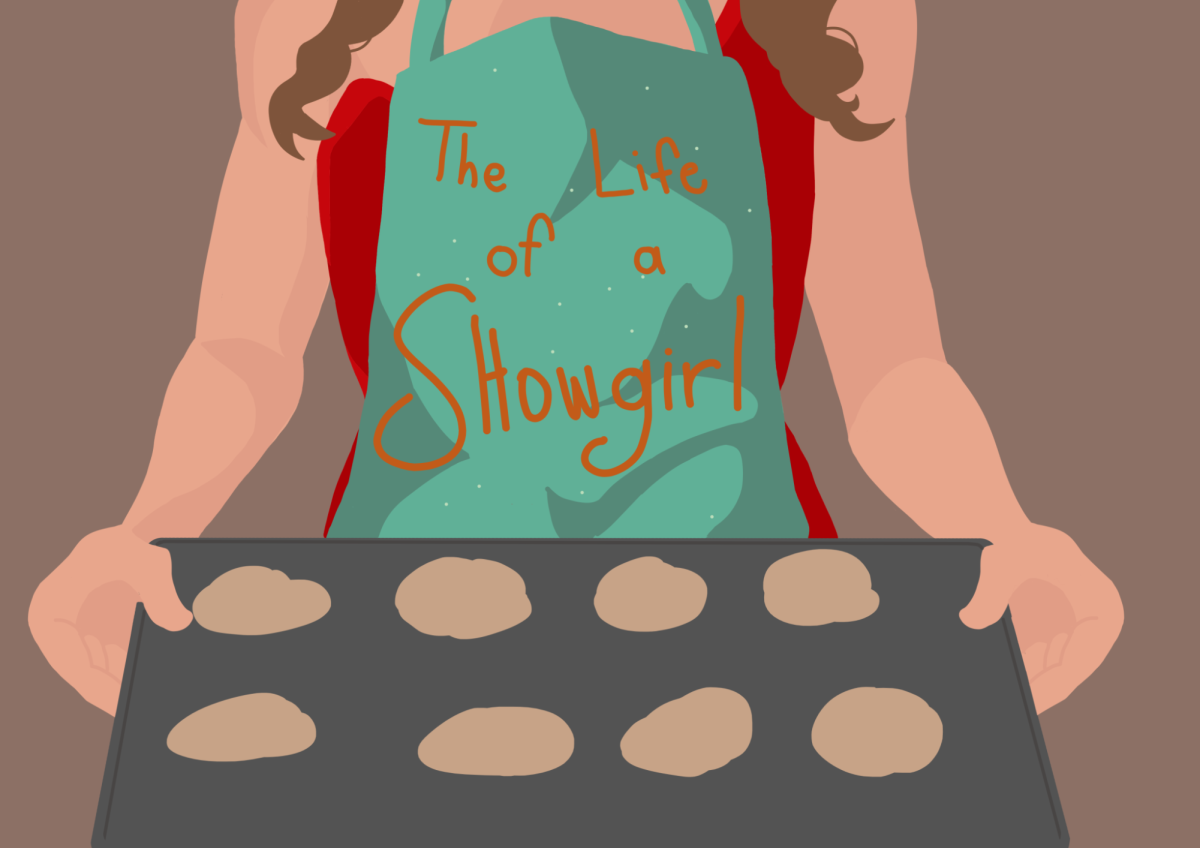
Taylor Swift once again seized the first ten slots on the Billboard 100. After heavy anticipation from listeners across the spectrum, she released “The Life of a Showgirl,” her first album since the Eras Tour concluded. Mixed reviews from critics and fanbase divide the “Swifties” into two, and for good reason.
Showgirl suffers due to a virulent lack of creativity, instrumentation, and an abundance of superficiality. Her lyrics highlight the wealth gap between her life as a celebrity and self-proclaimed showgirl, and the followers she addresses. At the same time, the record never delivers the glitz portrayed on the album and the pink plumes and jewels that litter the cover art.
To misquote the showgirl herself, “She should get what she wants / she deserves what she wants.” Nonetheless, it seems that as she exponentially grows in fame and wealth, her connection with her audience plunges into a chasm, which inevitably affects the impact and intimacy that her songs resonate with listeners. True hits require heart, but complacency and cookie-cutter formulas create duds – even if you’re Taylor Swift.
The biggest dud, “Wood,” quickly became infamous for a lack of elegant lyrics and an overabundance of crude jokes. Swift, long known for the use of complex metaphors and erudite phrasing, forces people to pull out their Webster’s Dictionary. The innuendos land without finesse, and listeners noted the contrast. Sabrina Carpenter, the album’s lone guest, rubbed her low-brow humor onto Gen Z’s supposed English Teacher.
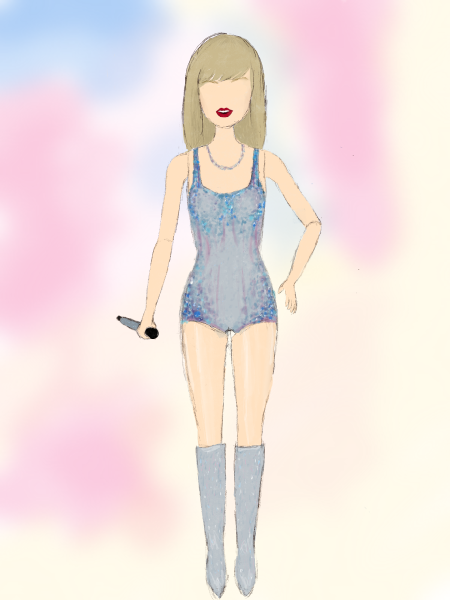
Even with an uneven output, several tracks land firmly in pop territory. The lead single, “The Fate of Ophelia,” written for her fiancé, Travis Kelce, has dominated the charts since its release. Driven by upbeat drums and synthesizers, the catchy chorus makes you want to dance, and the lyrics stick in your head like glue-traps, proving Swift’s ability to create eternal earworms even amidst artistic decline.
“Elizabeth Taylor,” “Opalite” and “Father Figure” also resonate among fans. “Father Figure”, the least popular of those listed, samples George Michael’s melody and title. While Michael’s version explored longing and vulnerability, Swift heavily speaks of manipulative power dynamics and exploitation in the music industry.
The musicality of the track also varies from the resurging classic, which highlights the advancement – or perhaps the regression – of the music production process since the release of “Faith.”, the album that houses Michael’s version. Where George Michael feels personal and soulful, Taylor Swift’s rendition feels emotionally distant and synthetic, mirroring the overproduction of pop.
Swift’s pace over the past five years – four albums, four re-releases, a hit concert film and a global tour – reveals clear fatigue across Showgirl. Nevertheless, if she wants her reign over the industry to continue to supersede all other superstars, we can only hope that she remembers to prioritize quality over quantity.




Eddy kim • Dec 11, 2025 at 6:34 pm
This album was so mediocre it felt like she wanted to be “cool” with the newer generation but that ruined the whole album. I took 2 minutes for me to rate it a 2/10. It was still better then the yuno miles album though
chloe i think • Dec 4, 2025 at 6:24 pm
her music is very unseasoned and dry