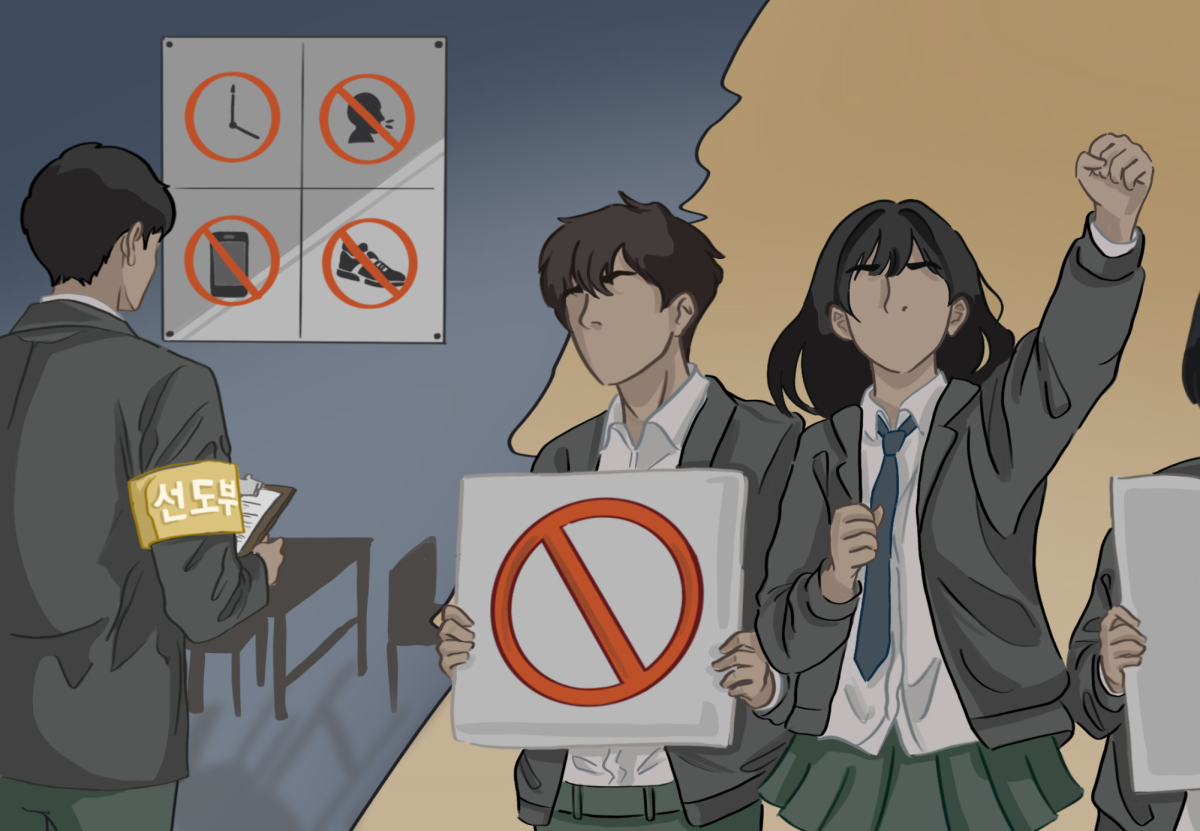



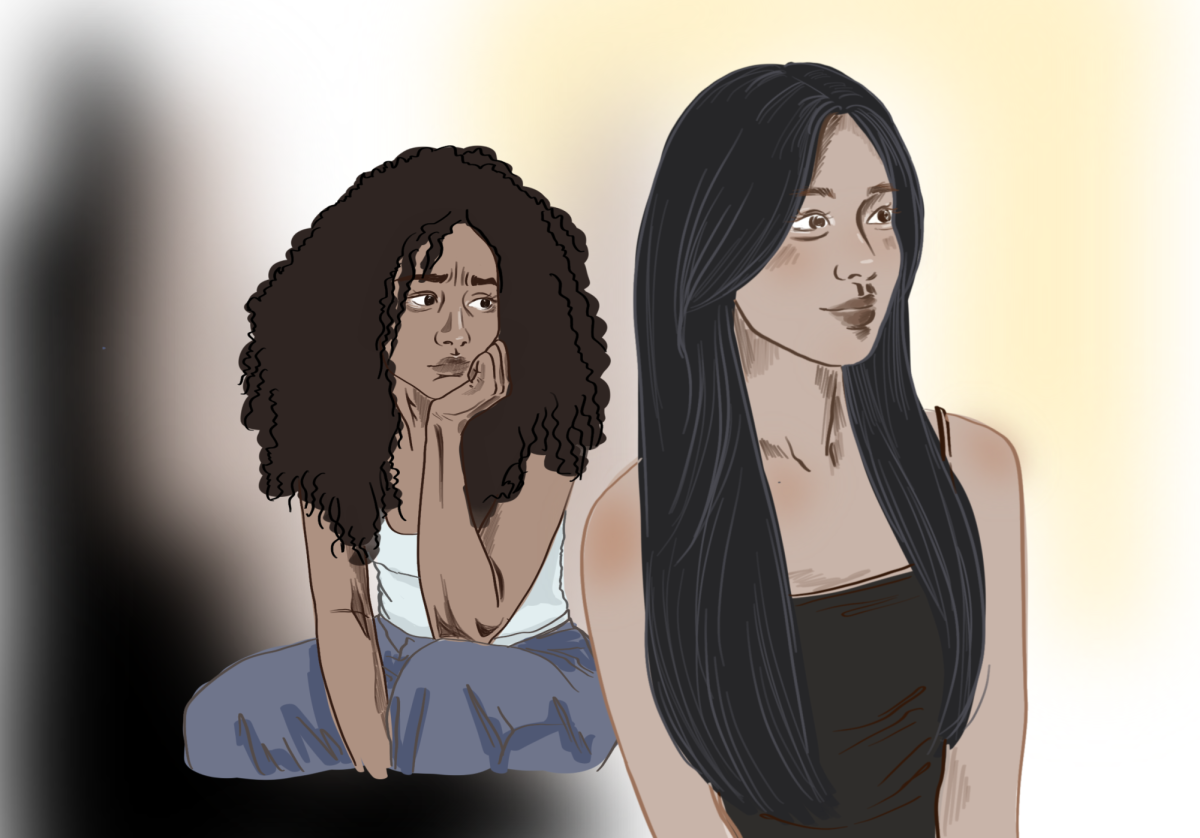







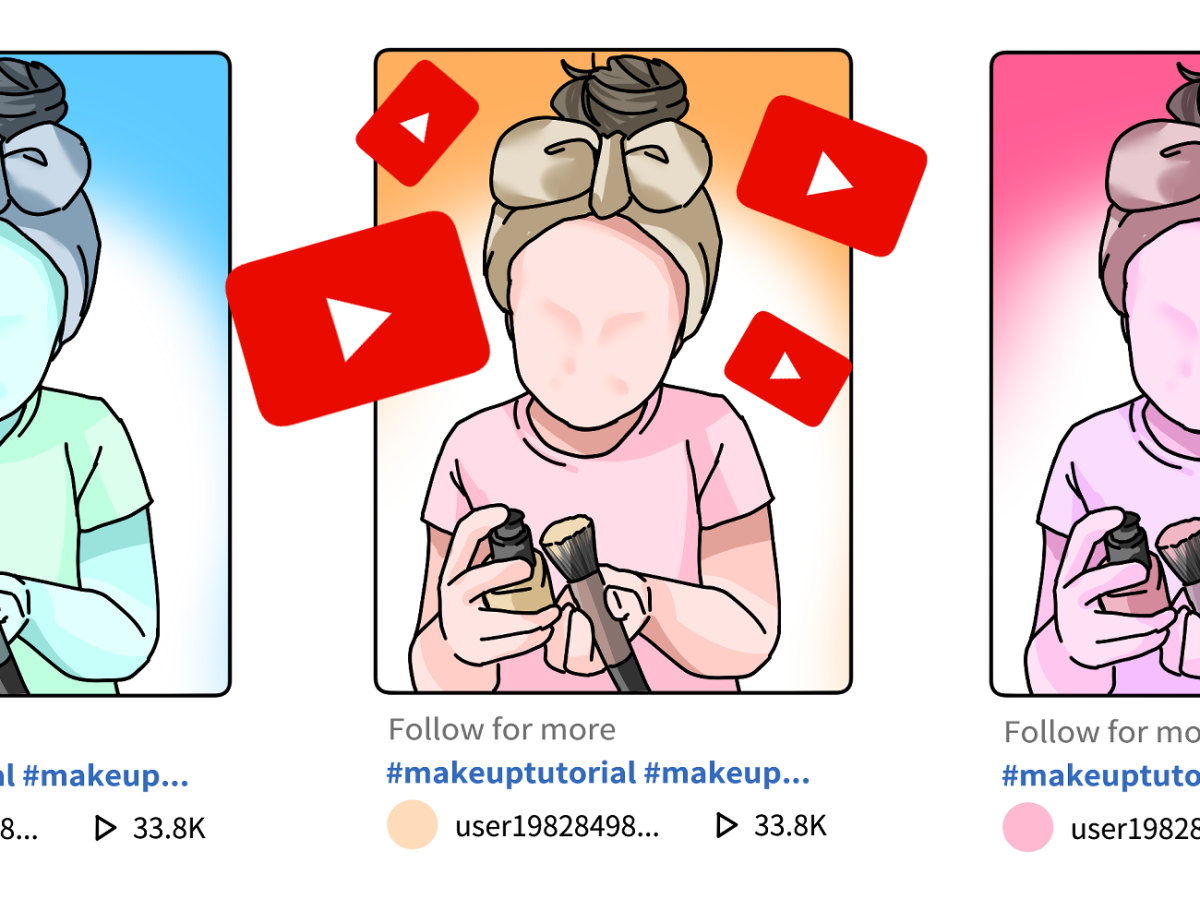

Korean elders often berate Gen Zers about their overzealous K-pop culture, headphones plugged in at work, and a nonstop cascade of TikTok trends. Over the past few decades, the nation experienced a massive shift in wealth and development, and this continuous change accentuates the gap between the younger and middle-aged population. Experienced employees complain that new hires lack discipline and respect for veterans, and adults frown upon students in rolled-up skirts, eyes fixated on screens.
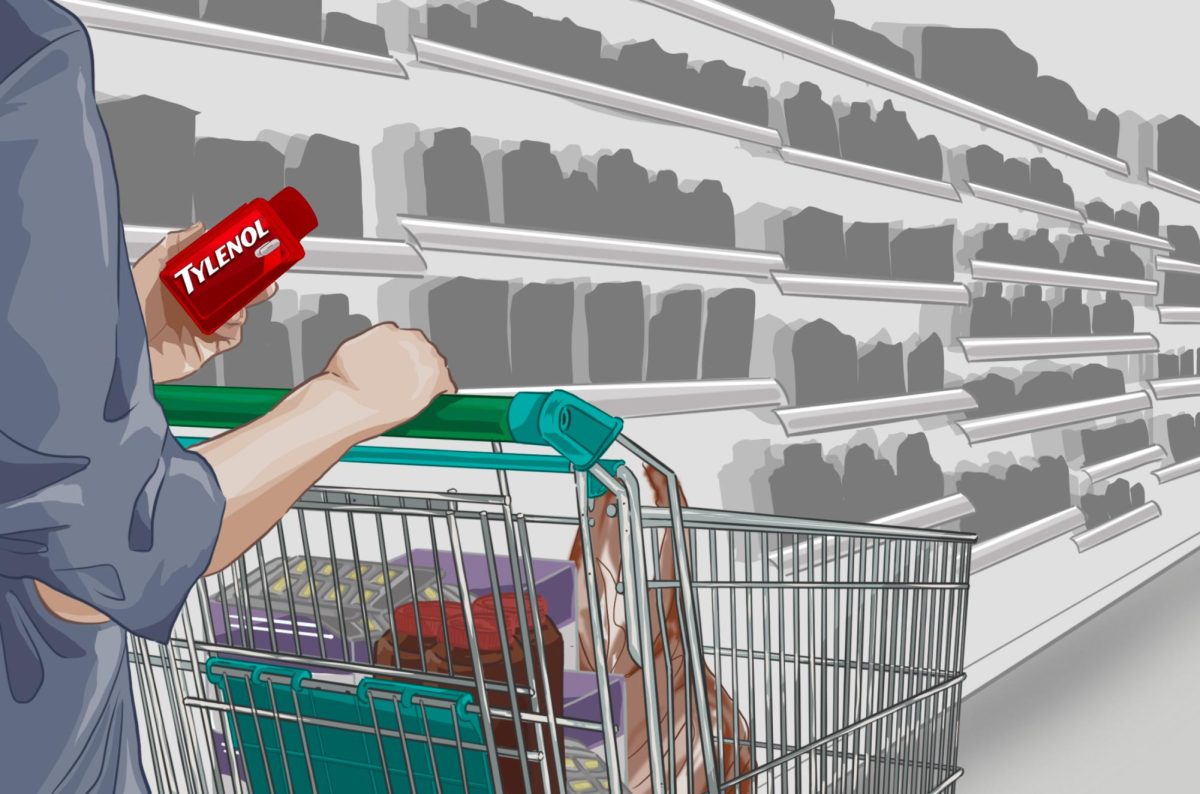
I opened up my wallet, ready to pay for my snacks, just to realize that I used up all my allowance the day before. Ashamed, I left the food behind and walked out of the store, head hung low.
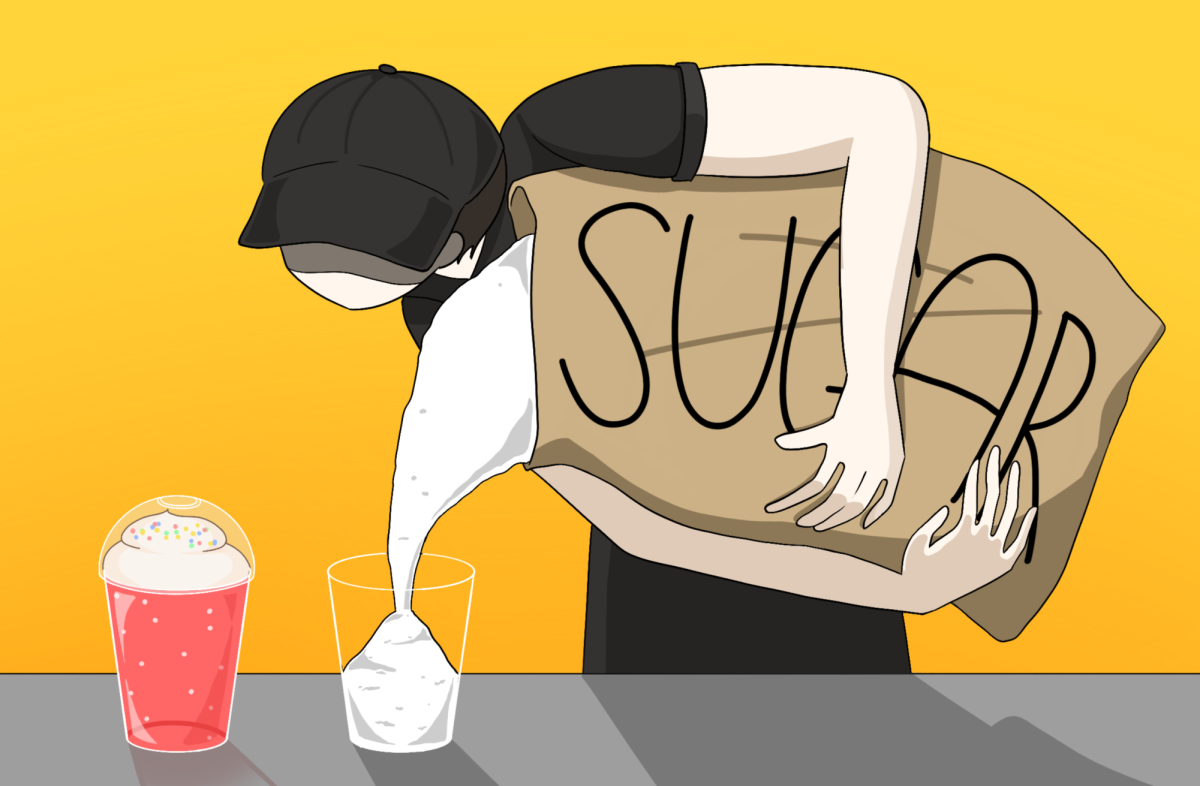
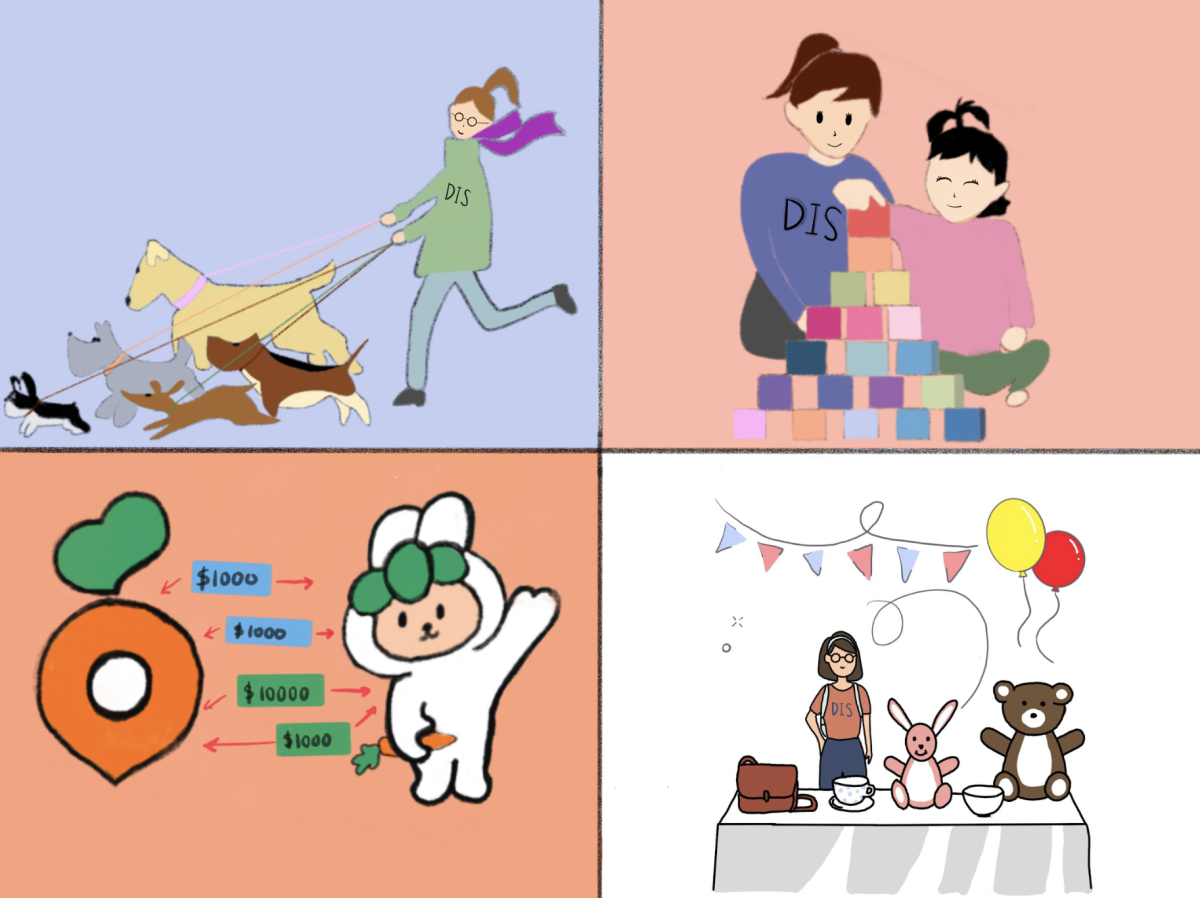
Have you ever experienced embarrassment like this? Do you constantly need more dough? Koreans label middle and high school students as far too young for traditional jobs, but desperate times call for desperate measures. Our minds constantly drift to ways to earn pocket money. I present to you some creative endeavors for us kids to fund our hobbies and habits.
Teens in Y2K fashion – kitsch graphic t-shirts, hip cargo pants and colorful sports jerseys – swagger along the streets of downtown Daegu. It may seem like they simply want to take a trip down memory lane, but science shows that there’s much behind why people revert back to old trends. Nostalgia provides our brain comfort from loneliness and distress, just like a sweet treat.
Given media coverage and racial stereotypes, one might assume Korean teens to be more studious than their American counterparts. After all, Korea is well known for its academic pressure and overachieving students. However, that is not exactly the case.
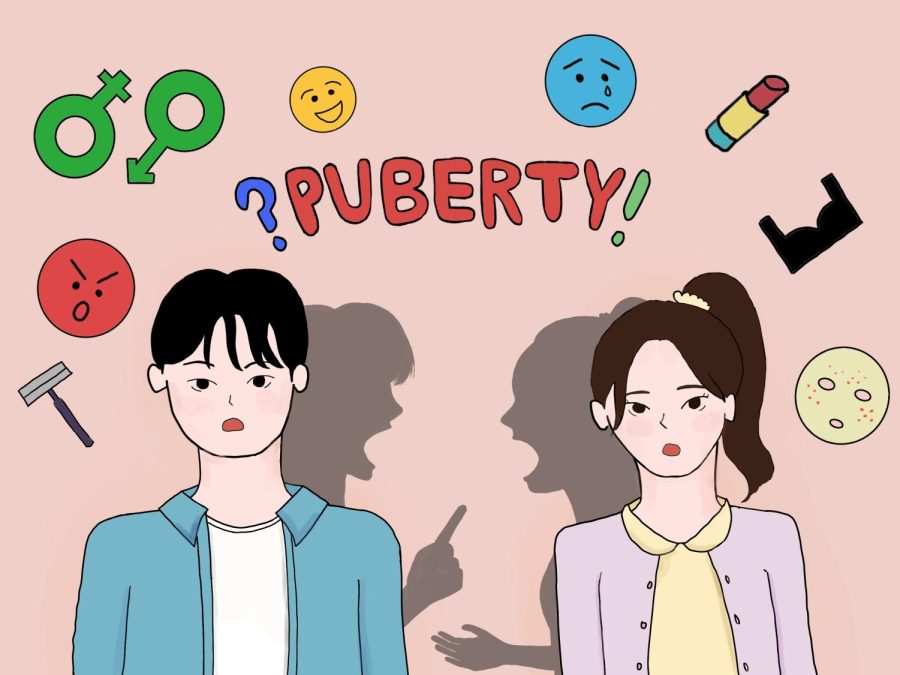
From birth through maturity, change is an inevitable part of life. The biological term ‘puberty’ describes a critical time period that provides the necessary step towards adulthood, but the starting point of this changing chapter differs from person to person. The physical and psychological developments that follow don’t occur all at once, but slowly over time, with hundreds of hormones responsible for these numerous changes. To teenagers under its influence, the whole process might seem intimidating and out of control, but learning about it can help them cope with the stress.
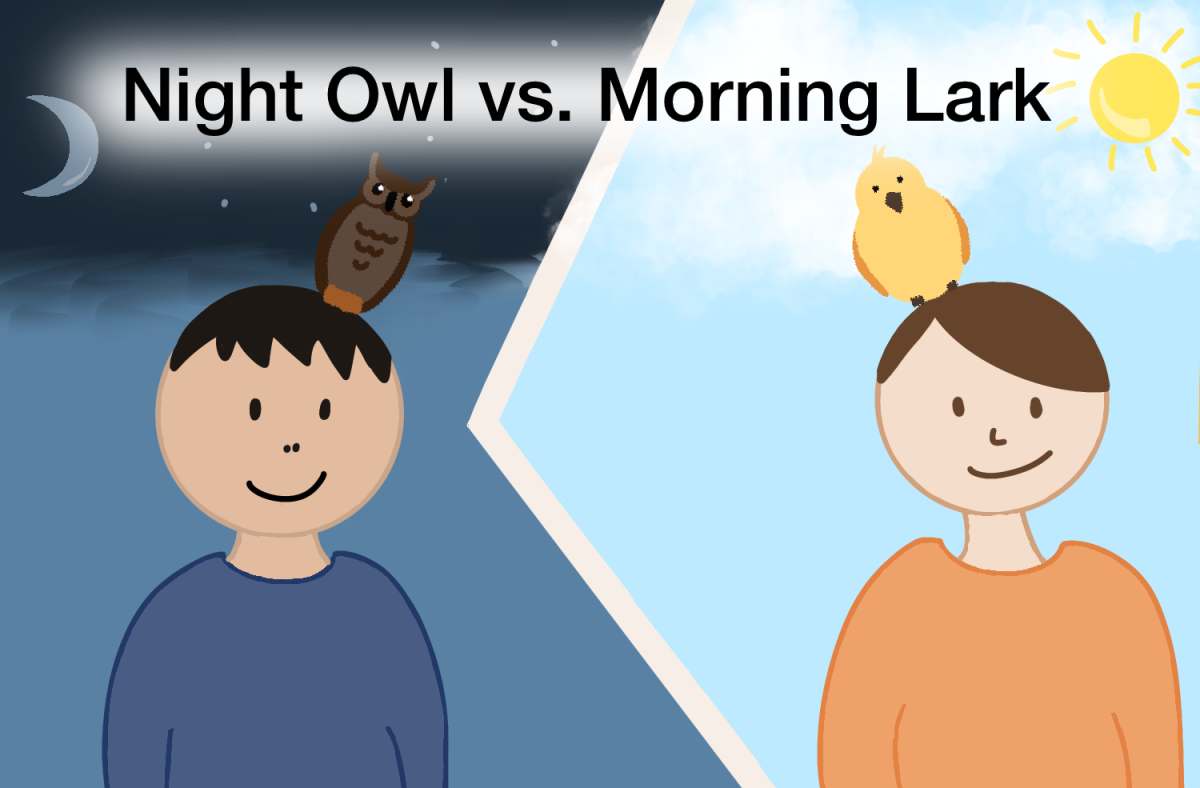
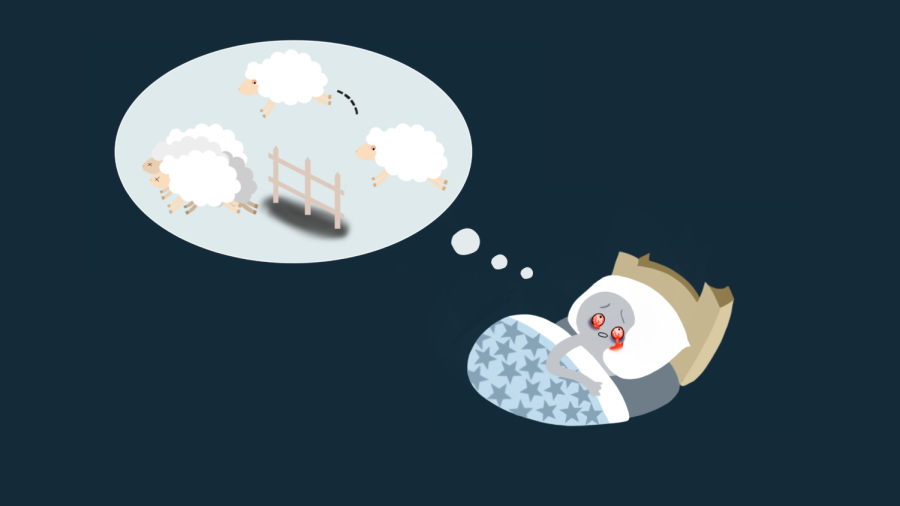
Everyone sleeps. Bears hibernate seasons long, bats snooze upside down, and dolphins nap with half of their brains being conscious at a time, and for us, we spend a third of the day in bed.
Come to think of it, a whopping 30 percent of life is, ideally, meant for us to spend sleeping. Considering it simply in terms of naps, that 30 percent is a two to three-decade-long doze-off. "What a waste of time!" Thomas Edison once thought sleep to be—both back in the days and today, the hate is mutual. Despite time passing since Edison’s era, many people, especially teens continue to question, “Other than the satiation of the body’s natural need for rest, are there then no benefits of sleep?”