





























After decades of struggling to find his true self, Charlie Puth lets go of his insecure yet ostentatious demonstrations of music theory and perfect pitch to release an album that is truly his own. Known for his savant ability to produce hit melodies from mundane sounds such as the flick of a light switch, Charlie Puth opens a new epoch in his life with “Whatever’s Clever!”, released two short weeks after the birth of his first child. The new maturity and responsibility that follows fatherhood are reflected sharply in the message of the album.
Co-produced with Blood-pop—whose resume includes Chromatica and Justin Bieber’s “Sorry”—the album is heavily influenced by late 80s and early 90s pop and yacht rock. An ambitious waterfall of featured artists starts on the third track and continues till the last with seven guests overall. Nonetheless, not every collaboration justifies itself. Enough to feel notable, mid-album tracks drift without distinction, carried solely by competent production that remains far from memorable.
The album opens with its hardest hit. “Changes”, a vibrant, synthesizer-driven pop song about adulthood and the transition to fatherhood, is a lead single that teeters between earning its placement and becoming too repetitive, as the chorus drones on endlessly like a history teacher. A gospel choir crashes through the final chorus as a welcome interruption, and the hook carries just enough emotional weight to stick, albeit as weakly as a Post-it note. It announces, without much gumption, that Puth has decided to change directions for this new album.
The first song with a feature, emotions undeniably peak in “Cry”, a startlingly groovy track which showcases a saxophone solo reverse-engineered from a Kenny G album cut. The single reed instrument completes the chorus as it sings its refrain.
The lyrics quote Puth’s father, “Whatever hurt you come across, you better get up when you fall down”. The sincerity hits the bullseye, punches the gut in the way Puth intended as a motivational flash flood. However, he does not carry that same emotional honesty into the rest of the record – and so “Cry” sets a high expectation that few of its neighboring tracks reach.
“Hey Brother” works similarly; it roots itself in the specific trademarks of sibling rivalry and love—petty arguments and the pride and pain of as your siblings grow. Written as a thoughtful message for his brother, the candor is what separates the album’s best moments from the vague dance pop previously synonymous with Puth.
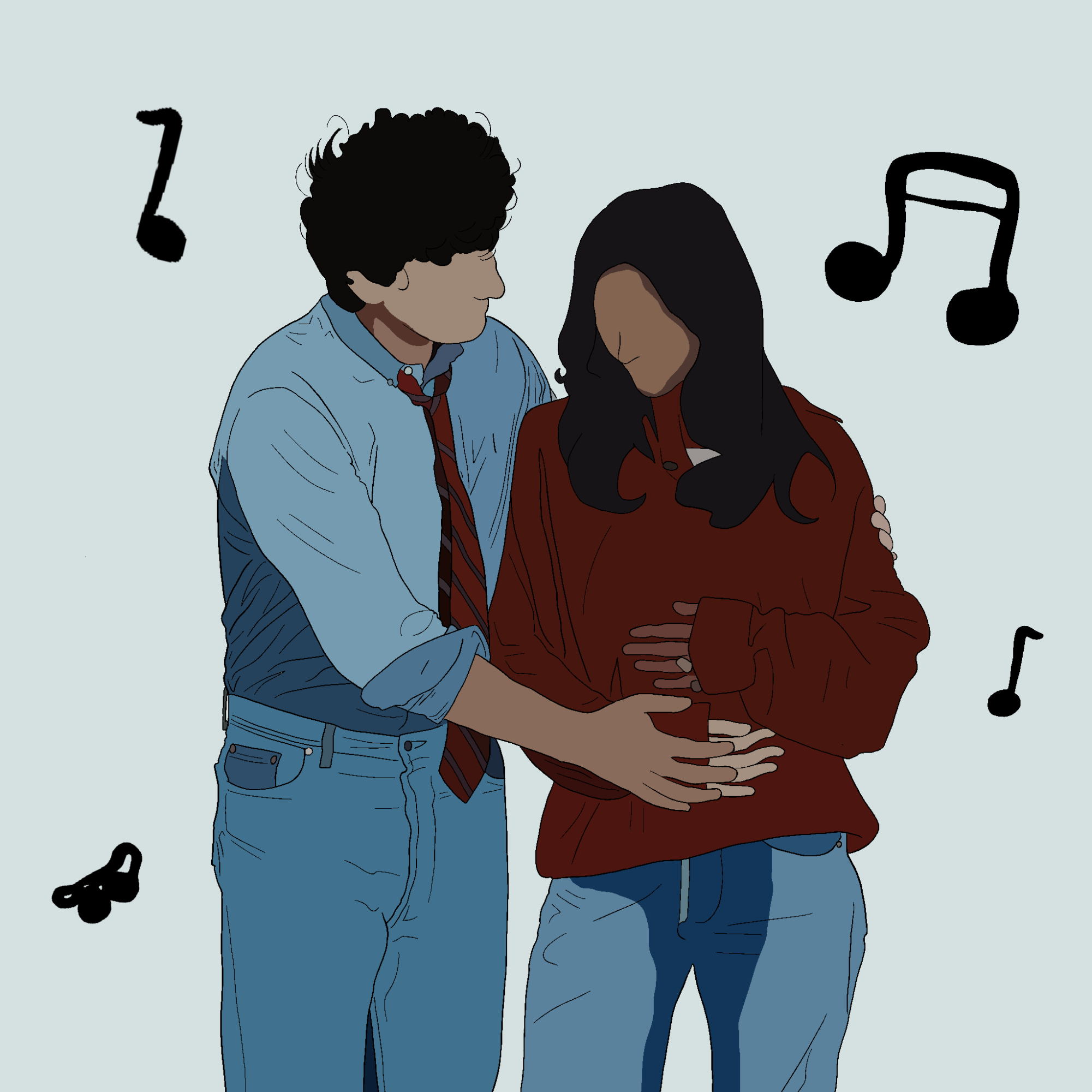
Nonetheless, the album’s trademark personal and emotional lyrics are challenged by the sheer density of featured artists, and Jeff Goldblum tips the scale towards too much. Track 11 arrives like an uninvited guest who somehow winds up as the last one to leave. The penultimate track, “Until It Happens To You”, features a spoken-word contribution from Jeff Goldblum that lands flat on what is otherwise an appealing instrumental.
The chorus is elevated by a background choir and solid drumming, yet when it feels like the song might have a hook, Jeff Goldblum peaks his head through the door again as his grating voice interrupts what could have been a good chorus. His voice, while true to himself, doesn’t match the tone of the track or the album in its entirety, and instead feels like a favour to a friend gone too far.
“Whatever’s Clever!” feels like a fresh douse of sincere art in a world of continuous superficiality and performative behavior. A strong look in a new direction, despite lackluster features and several underwhelming tracks, Charlie Puth may have found his new hallmark.