








































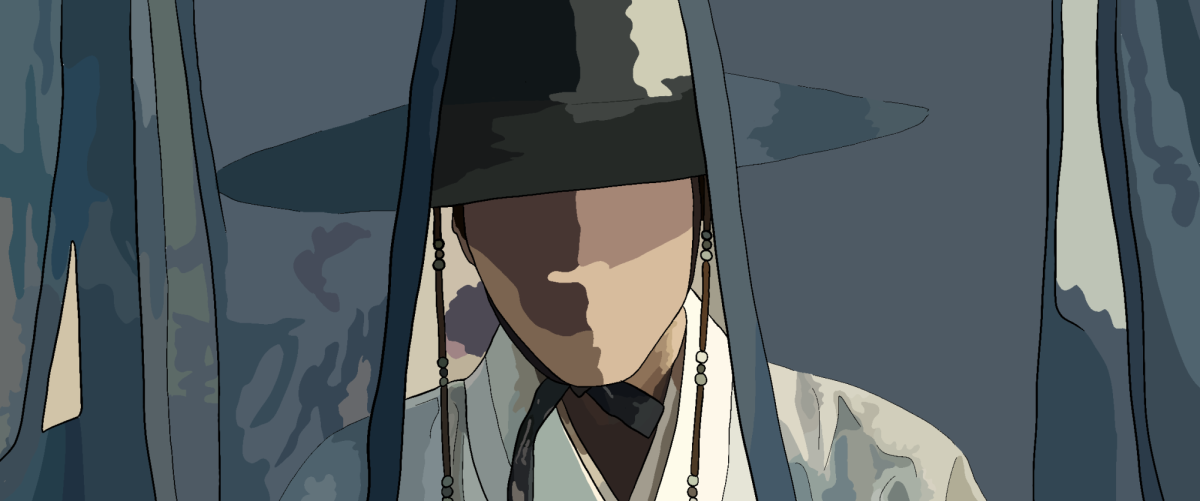
A 13-year-old Nosan is dethroned by his uncle Suyang after a helpless loss in the conflict for the crown. He is exiled to Cheongnyoungpo – a small, secluded village within a mountain range. He initially isolates himself from society, but as time passes, his banishment brings him new perspectives and ends his sorrows.
The historical drama film “King’s Warden” premiered in Korean theaters on Feb. 4th, 2026. The movie sold 16 million tickets just two months into the release and received positive reviews from both critics and the general audience.
At first, the villagers view Nosan as an opportunity rather than a person – they hope that a member of the royal family will bring them prosperity. But as they witness his loneliness and despair, their selfish intentions slowly fade – they begin to treat Nosan less like nobility and more like a young boy abandoned by the world. This challenges the idea that one’s status determines their value and emphasizes the importance of human connection. The gradual shift also carries real emotional weight.
The storyline approaches climax when Nosan escapes Cheongnyoungpo to join a rebellion for the throne, even with the risk of death. This moment, as the first time Nosan chooses to fight back, marks significant character development. The gloomy atmosphere of the dark mountain range under heavy rain also intensifies the scene.
Among the numerous unforgettable moments, the final scene between Nosan and Heung-do Eom, the village chief, left the strongest impression. The rebellion fails, and Nosan is sentenced to death. Nosan, who left his wretched past behind, asks Heung-do to kill him with his bowstring before the execution – he chooses to die by his friend’s hand rather than his enemy’s.
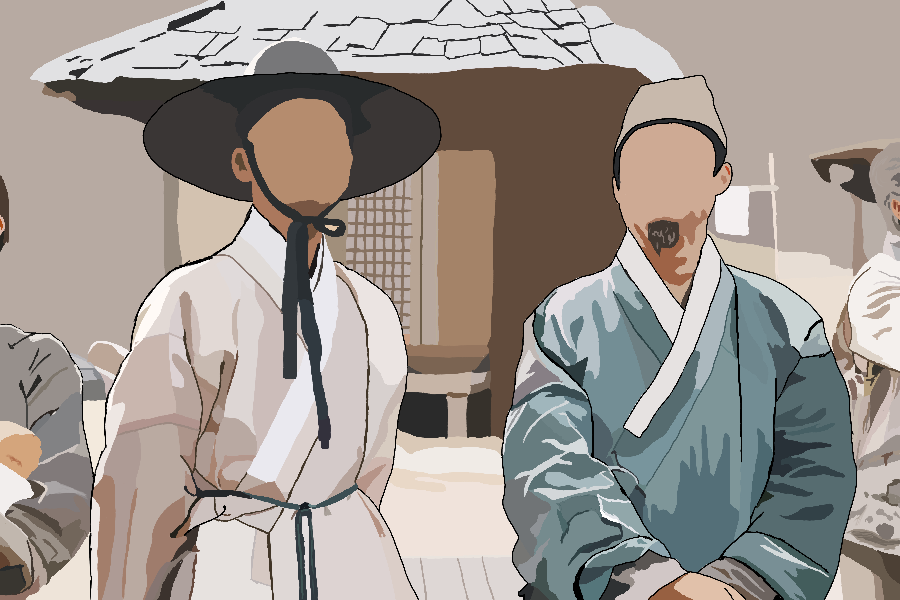
Despite the melancholy atmosphere, Nosan jokes with Heung-do and shows him genuine warmth. This scene symbolizes how the villagers and Heung-do transformed Nosan from a powerless, emotionless boy to a courageous young leader with high regard for those around him. More importantly, Nosan reveals complete trust in Heung-do, which shows how far he’s come from the isolated child king he was, with no one to depend on.
Symbolism adds depth to the narrative throughout the film. The bowstring used to kill Nosan is a powerful motif: it represents the mutual trust and loyalty that Nosan and Heung-do have. It also ties to the strength of their bond that thrives even in a moment of vulnerability.
More broadly, Cheongnyoungpo, surrounded by cliffs and water, embodies both physical imprisonment and the inescapable fate Nosan suffers through.
The narratively and emotionally direct plotline made it easy for even those unfamiliar with Korean history to follow. Rather than long explanations, Nosan’s feelings convey the weight of each event.
The actors’ remarkable performance immersed me in every scene and enhanced this “show, don’t tell” technique. Ji-hoon Park, who plays Nosan, delivered convincing sadness and trauma – his quiet voice conveyed realistic misery and pulled the audience in further.
Overall, I would rate “King’s Warden” a 9 out of 10. It delivers a spectacular tragedy with powerful symbolism and unforgettable emotional scenes. If you enjoy historical dramas that explore betrayal, loyalty, and sacrifice, this movie is definitely worth a watch.



allison • May 7, 2026 at 7:29 pm
This was so sad in the ending and I don’t regret watching it
Henry Lee • May 7, 2026 at 7:23 pm
I never cry in movies. I cried too much at the end in the “강을 건널 시간입니다ㅏㅏㅏㅏㅏㅏㅠㅠㅠㅠㅠ” (it’s time to pass the river)