









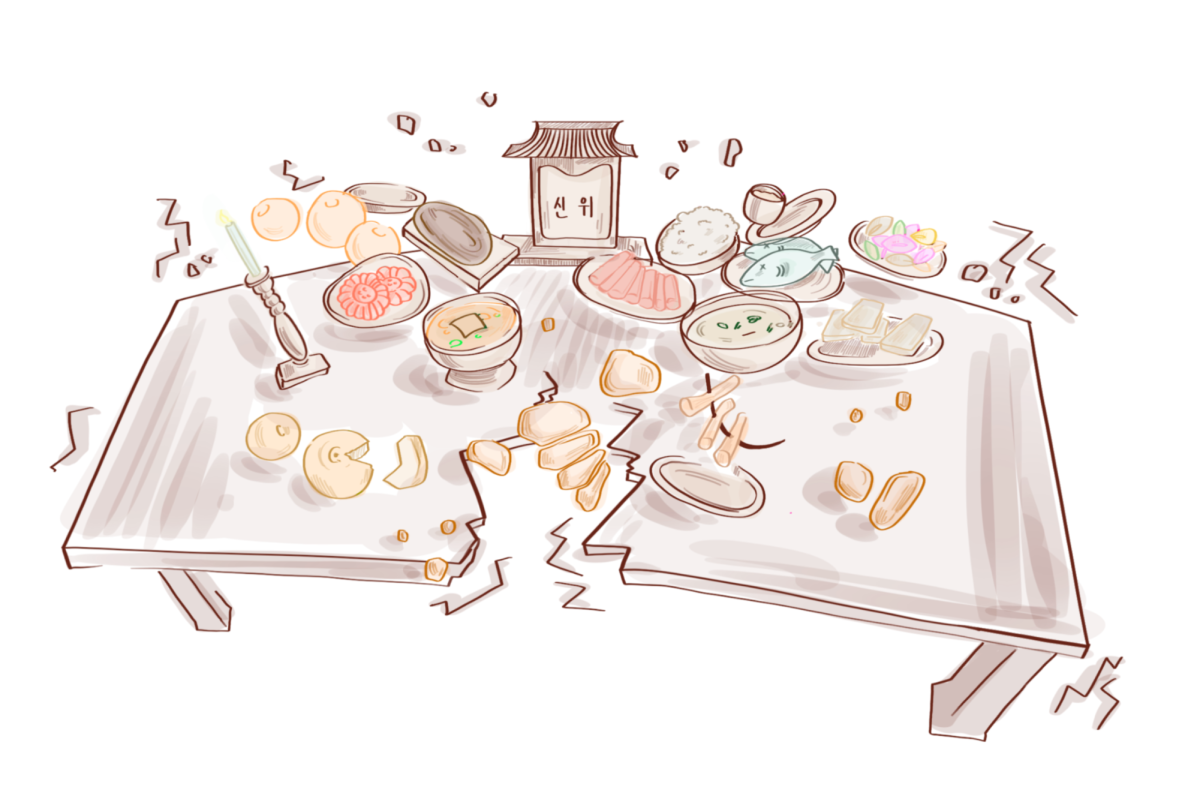
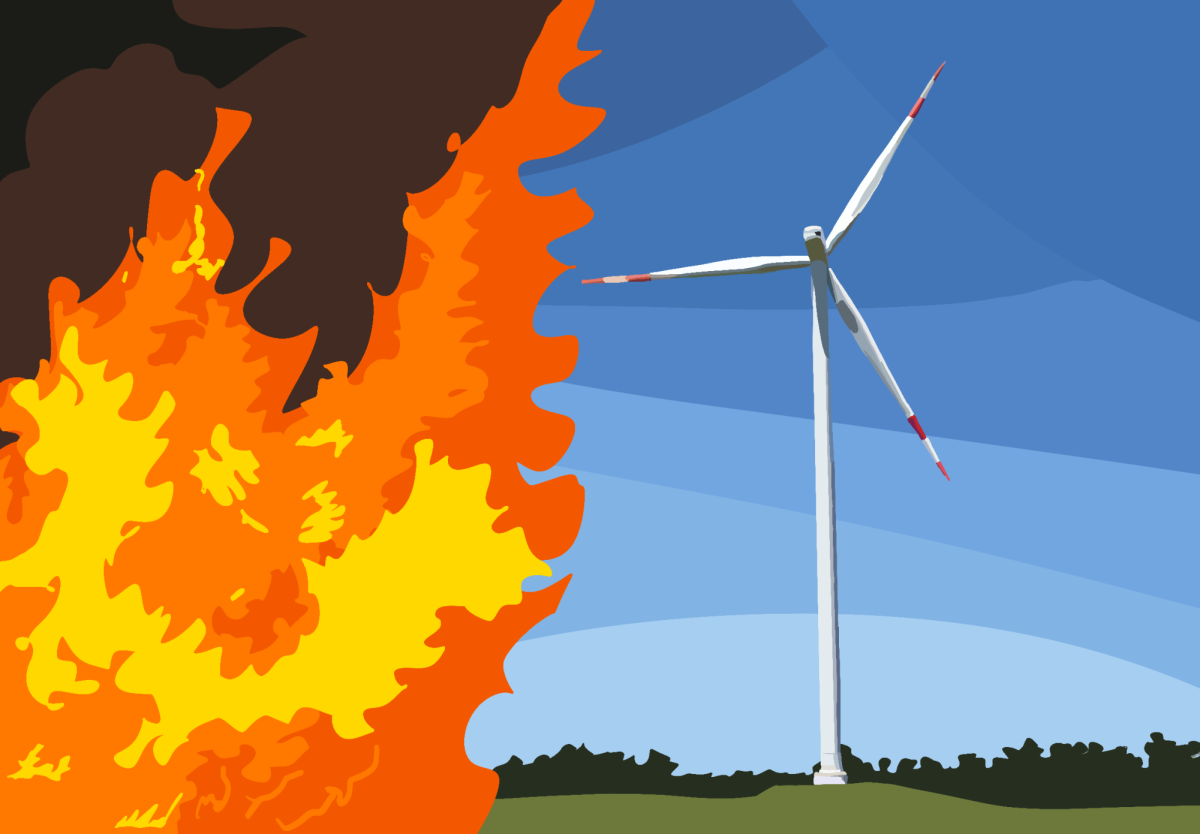

















In Daegu, climate change no longer exists in distant forecasts but in every meal. Heatwaves and erratic rainfall disrupt harvests, alter taste, and ripple through the economy. Unfortunately, the decades-long disconnect between farms and today’s urban generation makes it hard for us to see the climate crisis beyond packaged convenience, and only through rising prices, not the land itself.
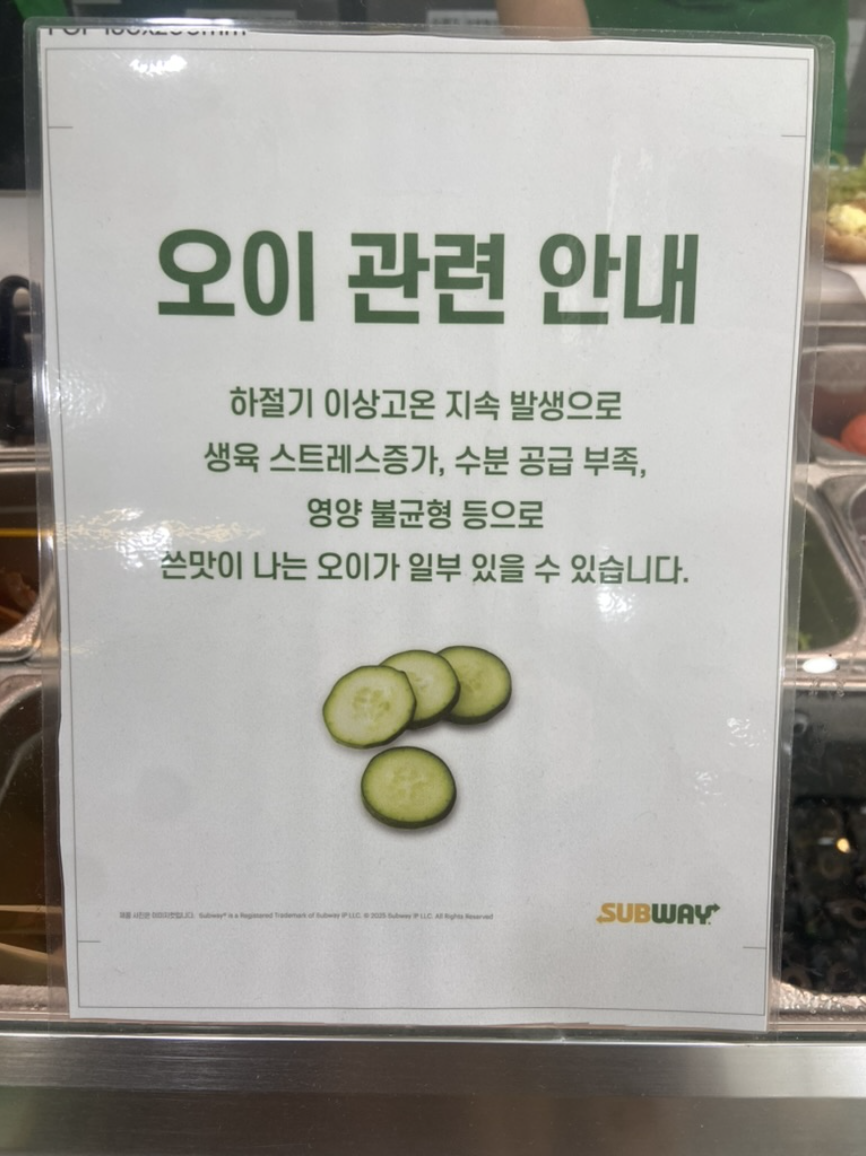
Each year, the average annual temperature increases by 0.27ºC on average. South Korea’s distinct four seasons witness a collapse in “Daefrica,” a portmanteau of Daegu and Africa that describes the city’s scorching heat. Summer seems to have swallowed the rest of the year — spring blooms earlier, winters stretch longer, and autumn nearly disappears under the weight of record-breaking temperatures.
In June, Daegu and North Gyeongsang Province recorded 3.9 days of heatwaves, the third-highest figure since weather observation began in 2006. Sea surface temperatures reached 26 degrees Celsius and marked the second-highest in the past decade. Rainfall patterns shifted toward concentrated downpours over smaller areas; some regions flood with excessive rain, while others remain arid. Such changes and inconsistencies translate directly to Korea’s crop yields, culture, and economy.

Young-dong Yoon, a Daegu farmer of 30 years, described the visible impact of climate change in his orchards: “Cheongsong used to be famous for its apples. The large temperature difference between day and night made the color bright and the flavor rich. But now, the temperatures are too high for that…apples burn before they ripen, and when it rains heavily, the ripened side rots first.”
The collapse of seasonal rhythms strains both the land and the region’s cultural identity. “This year alone, we were hit by frost in the Spring, drought in the Summer, and torrential rain in the fall. Farming these days is pure climate gambling…Because this kind of weather continues, Cheongsong, once called ‘the home of apples,’ is gradually losing its title,” Yoon said. “As a farmer, it’s heartbreaking. I’m watching the land I’ve tended my whole life become less and less suitable for the crops that once defined it.”
The instability reverberates beyond just farms and kitchen tables, but outwards to South Korea’s economy as a whole. The 2024 National Assembly Audit Issue Analysis announced that the cost of restoring climate-induced damages in Korea’s agricultural sector was estimated at 529.5 billion KRW as of 2023.
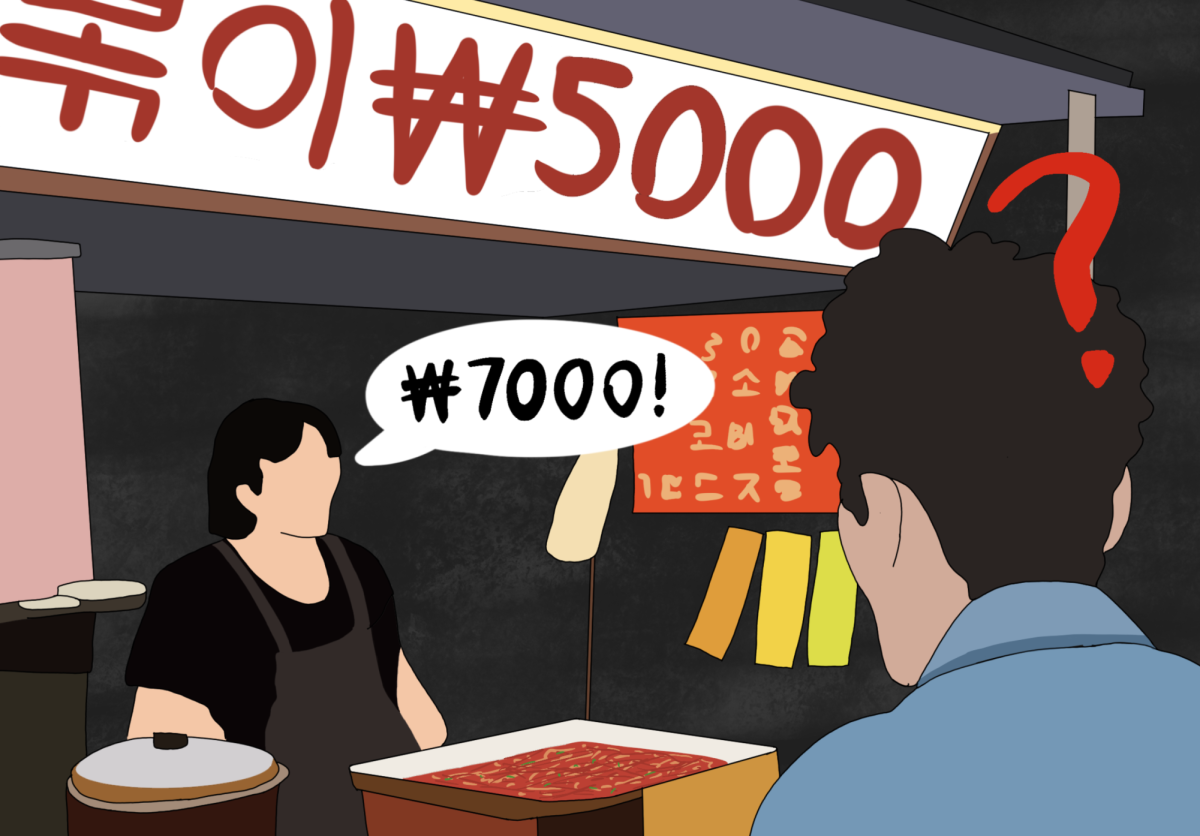
Unstable crop yields caused by Daegu’s extreme weather propelled food prices on an upward trajectory for three consecutive years; apple prices alone surged 91%, almost double that of the year before. Economists warn that Korea’s food inflation is no longer seasonal, but structural as climate shocks become a steady force behind rising prices. As heatwaves scorch fields and torrential rains drown production, farmers find less to sell and families with more to pay.
While farmers live with the impacts of climate change with every harvest, much of the public experiences it quietly through higher grocery bills or subtle shifts in taste. What appears as an economic issue, at its core, sheds light on a problem of awareness. This disconnect between those who grow and those who consume food reveals a deeper challenge of indifference; the modern generation fails to internalize the effects of Korea’s climate crisis beyond the prices of vegetables stamped on plastic wraps.
Audrey Hsu, president and co-founder of the youth environmental organization Everything Starts Small, highlighted the disconnect between youth and natural systems. “When people see a potato or a cucumber, they don’t really think about where their food comes from…the time it takes to grow or how nature is involved in that process…because everything is now packaged in plastic, we don’t really have the opportunity to get involved or really connected with nature in our daily lives.”
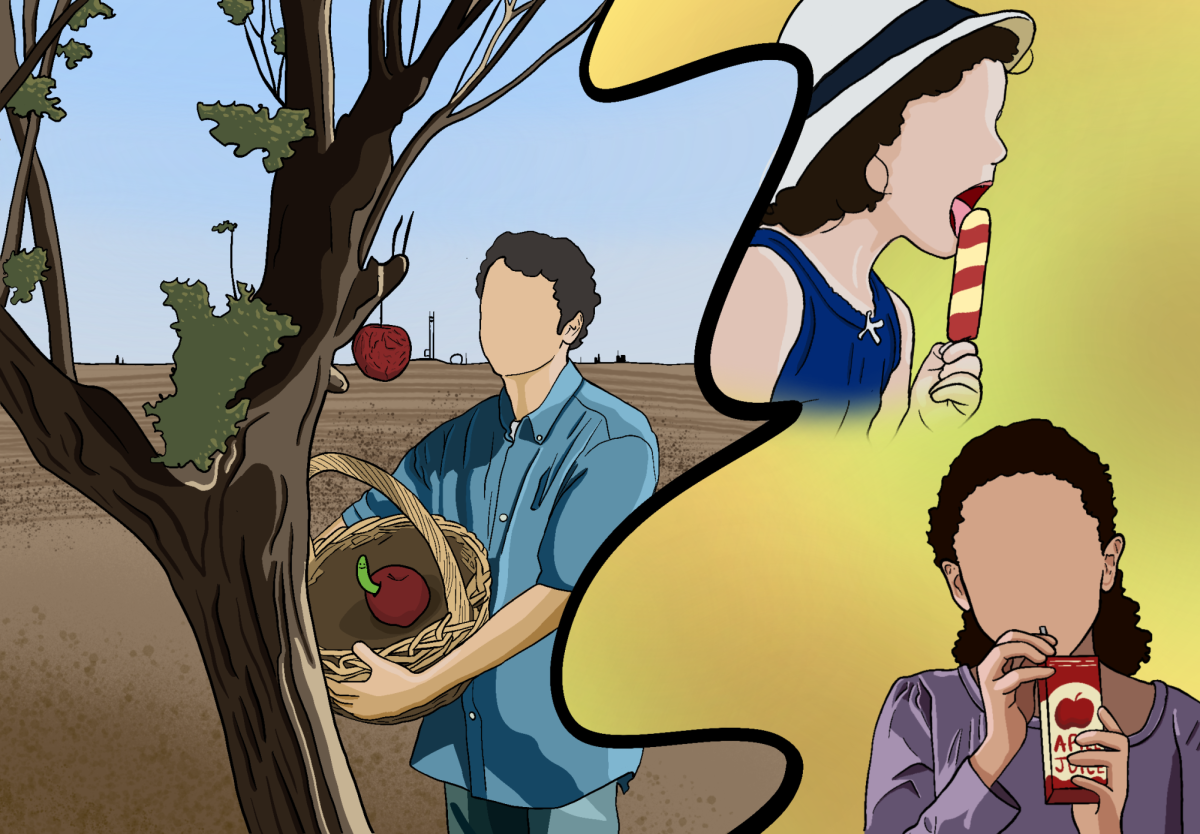
Yoon echoed the sentiment, “Kids these days don’t even know that apples grow on trees. All they see are the packaged ones at the supermarket; they have no real sense of what farming is. It’s really unfortunate.”
When climate disruption presents itself packaged, processed, and sealed away, the line between nature and modern life blurs the reality of climate change itself. “There’s this disconnect where we view climate change as this other problem…it’s going to be much harder for people to realize their dependency on nature when everything is just covered in plastic,” Hsu said.
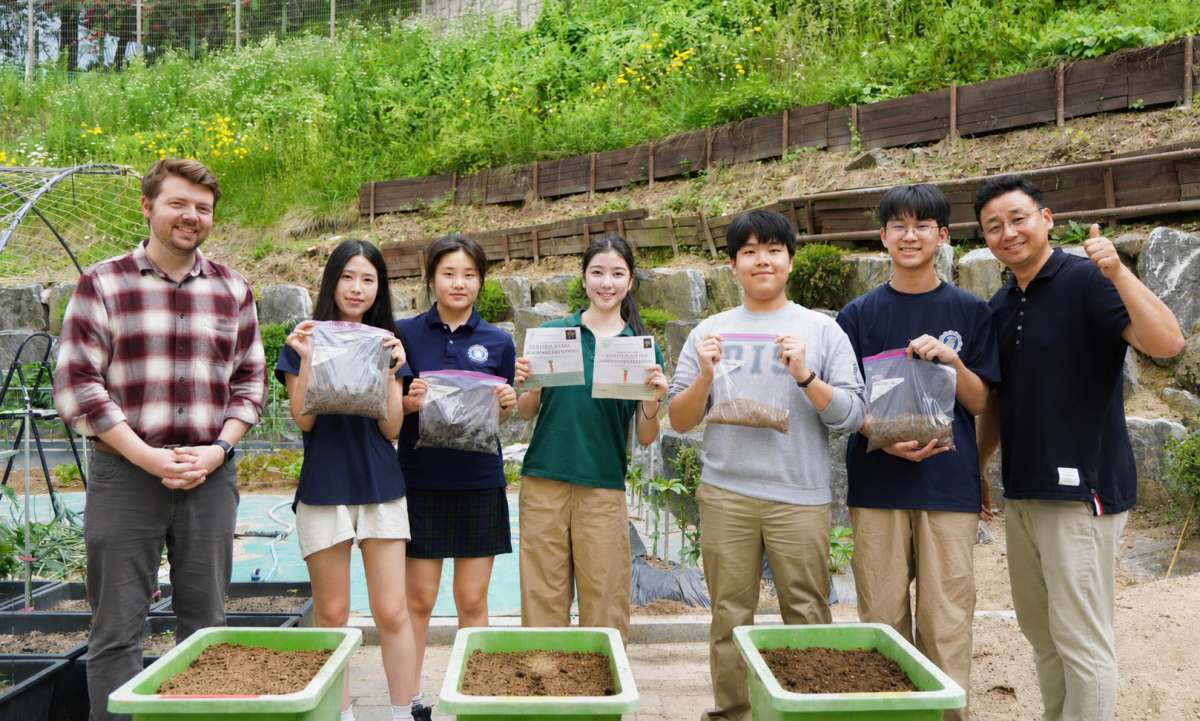
Yoon stresses, “Schools and local governments should organize more farm experiences.
They need to pick fruit with their own hands, feel the soil, and see plants growing under the sun. That’s how they’ll understand the real value of food.”
For decades, Korea measured its growth in exports, factories, and technology. Yet, as climate change transforms weather into economics and crops into cautionary tales, Korea faces a choice: to chase linear industrial growth as before, or to look back to our roots — to the farms and fields that first sustained our economy — and adapt. Policies and education must encourage youth to see, touch, and understand the climate not as an abstract threat, but as the soil beneath their feet.