

























Skip to Main Content
  • Wednesday, August 12: First Day of School
  • Don't forget your spirit shirts on Friday
The Student News Site of Daegu International School

Jets Flyover

Daegu International School's Student News Site
  • Wednesday, August 12: First Day of School
  • Don't forget your spirit shirts on Friday
The Student News Site of Daegu International School

Jets Flyover

The Student News Site of Daegu International School

Jets Flyover

In response to the rise of TikTok, songs have grown shorter and more streamlined over time. Artists now prioritize addictive, attention-grabbing elements in their tracks to appeal to younger generations the popularity of short-form challenges. However, this casts doubts on the prospect of K-pop's musical diversity as groups churn out cookie-cutter tracks at record speed.

K-pop devolves in the age of short-form media

Michelle Kim, Writer January 14, 2025

Fourth-gen girl group ITZY took a sharp turn from its self-love-themed discography with “Cake” (2023) – the song repeated “Cake” 25 times out of the 46 words in the chorus. The group chose to...

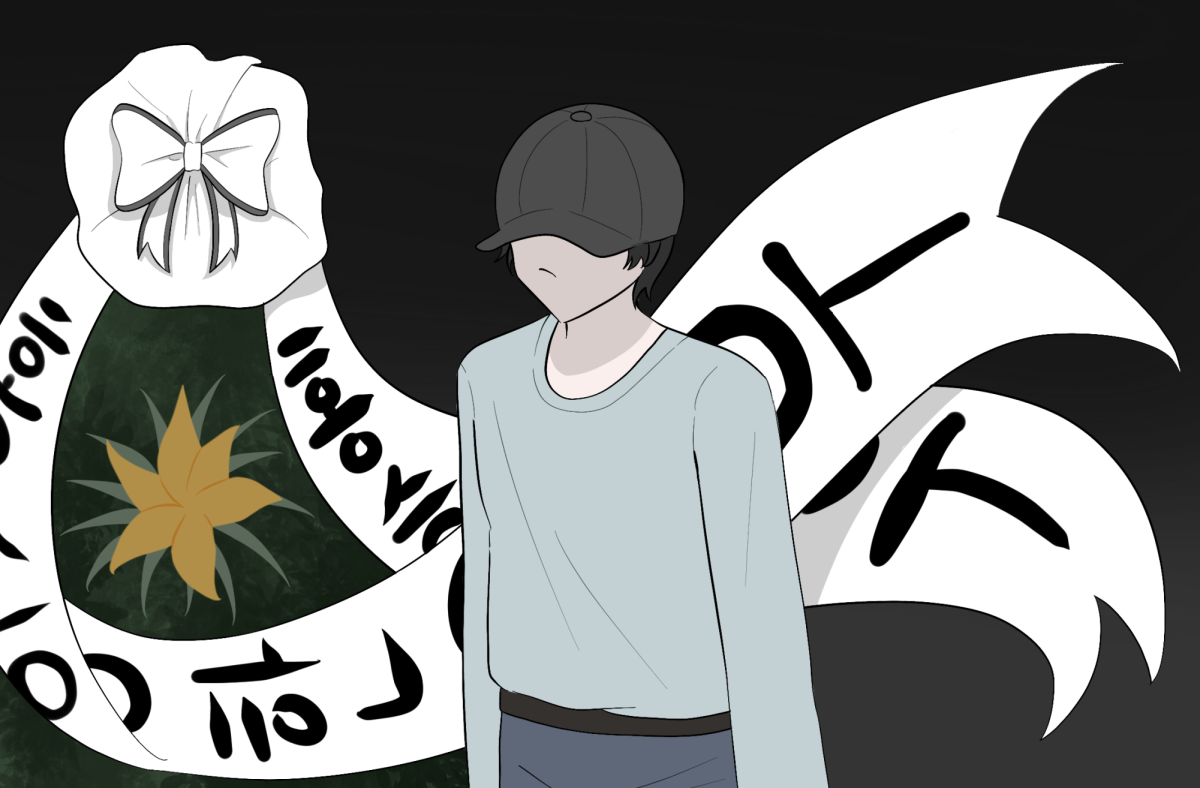
To voice opinions against Seunghan's return, some fans of RIIZE sent thousands of funeral wreaths to the company. Though not violent, it seems like a dehumanizing and inhumane form of protest

Dating scandal goes far but fans go further

Sophia Bae, Section Editor January 7, 2025

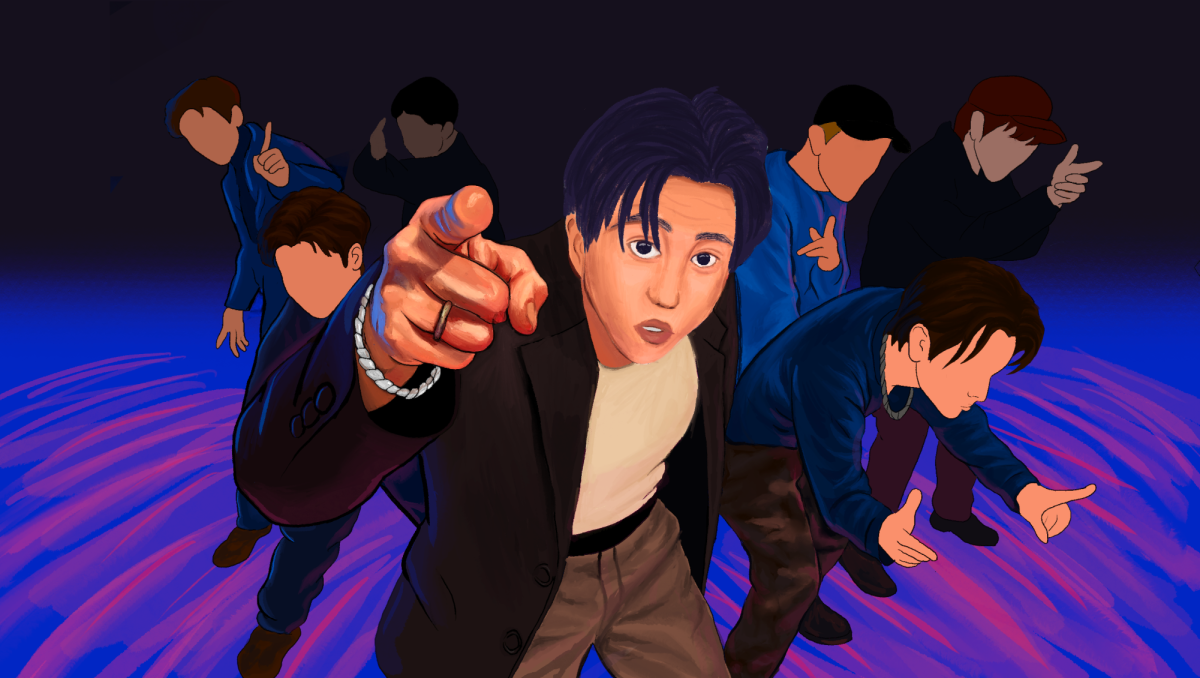
Under the glare of cameras, Hong faces the press as they swarm around him. His apology echoes across a fandom divided over multiple controversies. Eventually, this leads to his departure from RIIZE, a...

Graphic by Jade Lee and Grace Chae.

Minors v. the K-pop Industry

Serena Travers, Luna Kang, Grace Chae, Elizabeth Ryu, and Jade Lee February 15, 2023
Stardom comes with a price tag, and pain follows popularity: if you want attention, you need to endure the discomfort that comes with it. While some optimists view this as a motivational saying, in the K-pop industry, it’s taken quite literally. We’ve enjoyed the long run (and rise) of the Korean wave, but it’s time to question the business model behind the mastermind industry profiting trillions off of their stars.
Above are MRI scans of a student who respectively looked at photos of her favorite K-pop star (right) and her boyfriend (left). The contrasts in brain activity, caused by the mPFC (a part of our brain linked to the perception of self) and other love hormones such as oxytocin, between the two results prove how much attachment fans feel for their favorite artist. Photo courtesy of SBS.

Popping Up Like K-pop

Suppose you are walking around Hongdae. You will hear at least thirty different K-pop songs in the fifty steps you take. Nowadays, this is prevalent not only in Korea but also in countries around the world. In NYC, Tokyo, and other metropolitan areas, you can easily find places streaming K-pop songs. According to research conducted in 18 different countries with 8500 participants aged 15-59 from statista.com, 65.5% of people thought K-pop is at least moderately popular, and out of those 39% answered that it is prevalent. 
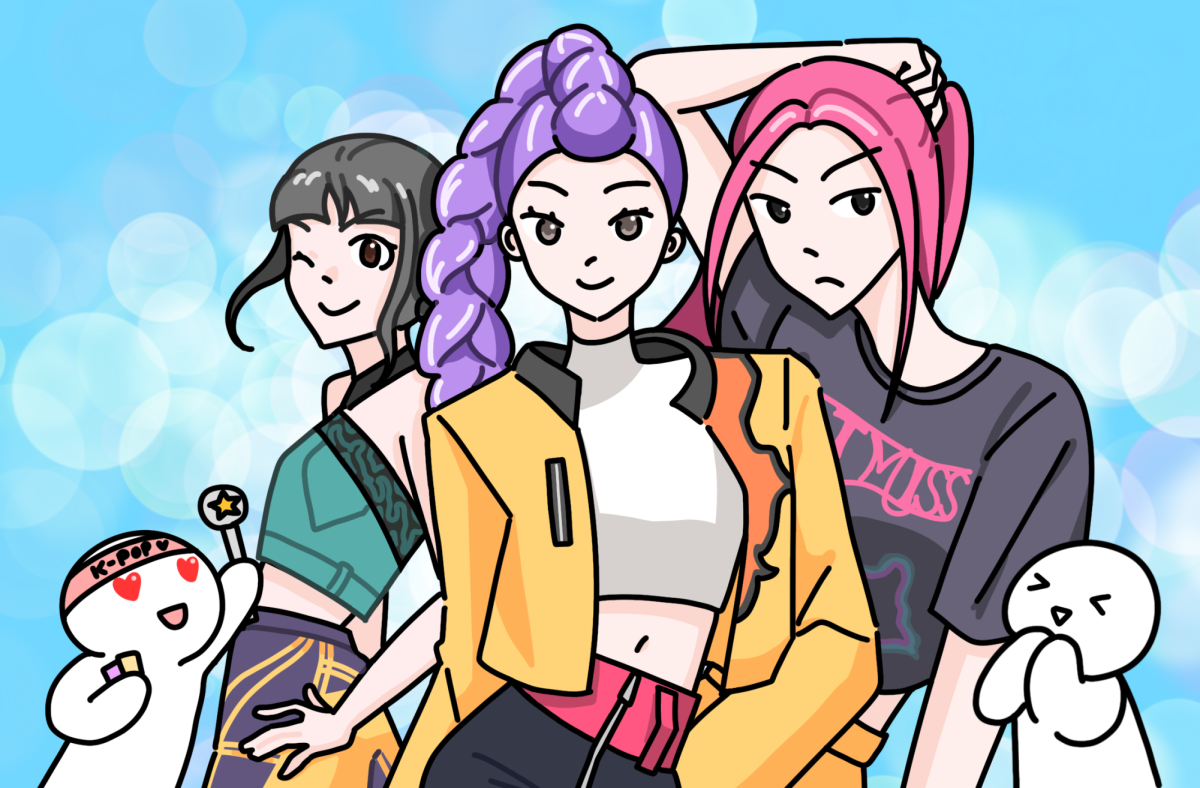
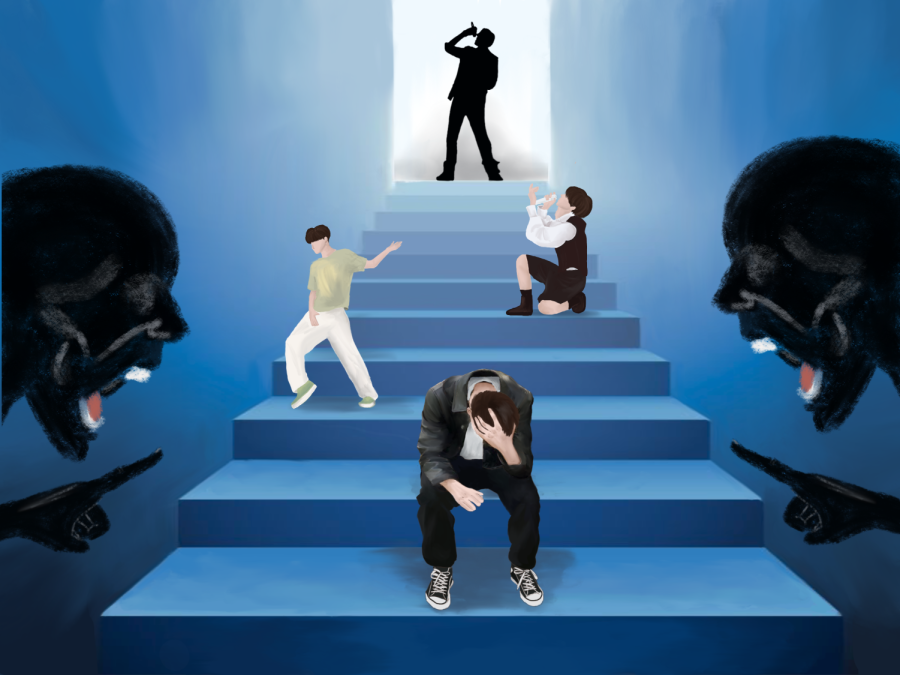
Excessive practice under extreme pressure and stress makes trainees question their dream of becoming K-pop idols. Illustration by Ava Cho.

Behind the Scenes of Being a K-pop Trainee

Dylan Wang, Luna Kang, Jade Lee, Elizabeth Ryu, and Ava Cho October 18, 2022
Earning tons of money, having millions of fans, achieving fame - becoming a K-pop star has countless merits. As the popularity of K-pop grows globally, many teenagers dream of becoming a part of this booming industry. The competition among BTS aspirants is intense even at the starting line. Behind that point, however, comes the real deal unbeknownst to those outside of the industry. 
Load More Stories