













**Disclaimer: In Korea, divorce heavily stigmatizes families. Deep shame leads children to hide their parents’ divorce from peers. Thus, some interviews featured in this article have been conducted anonymously to protect privacy. All references are marked with an asterisk.
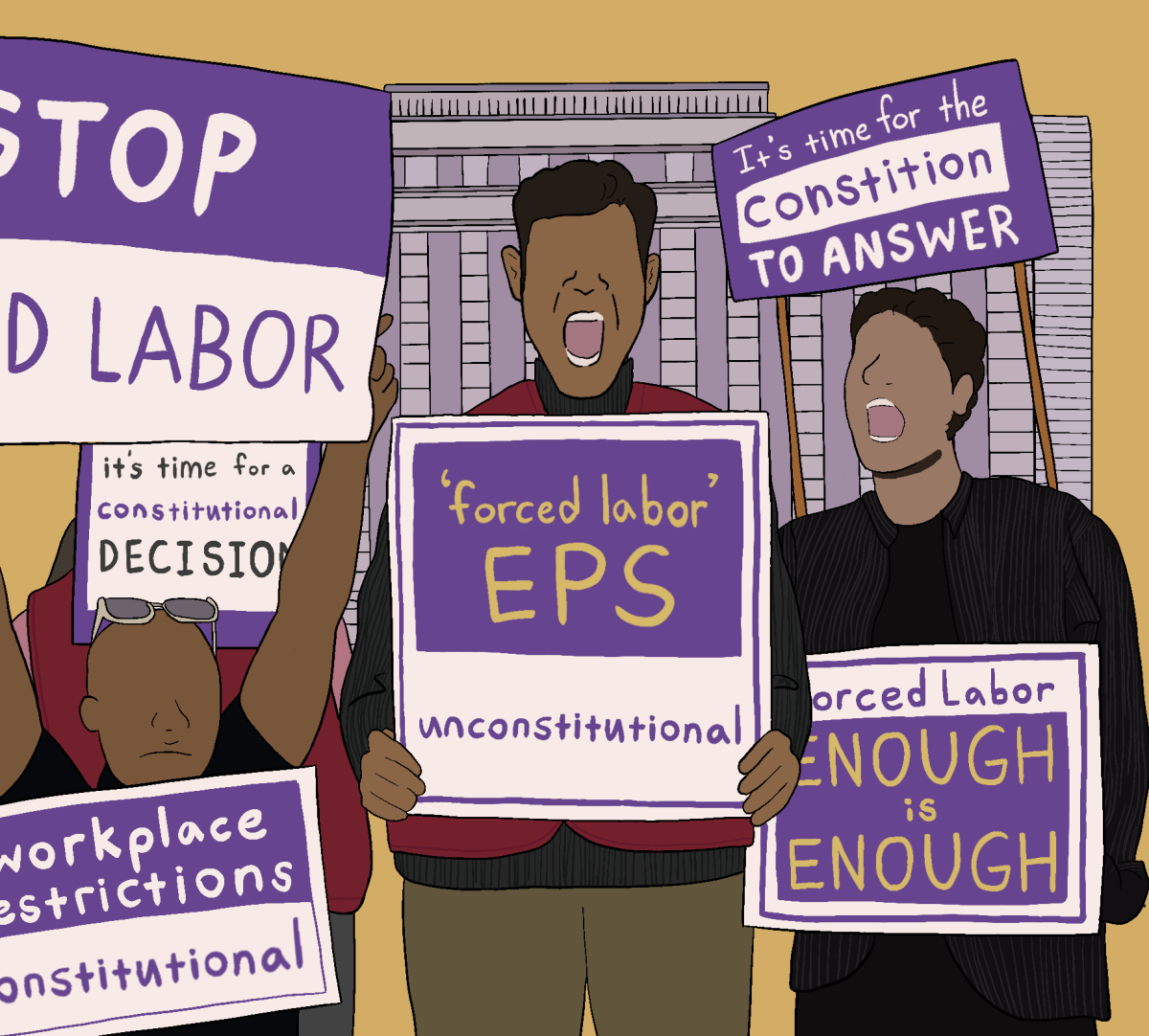
“Remember to get your mom and dad’s signatures by tomorrow.” In a classroom full of students, the sentence sounds routine. But for H*, a Korean high school student in South Korea, the words remind him of a family frame he no longer fits into. Within South Korea’s Confucian framework that idealizes familial continuity, children of divorce often face social stigma that scars deeper than the divorce itself.
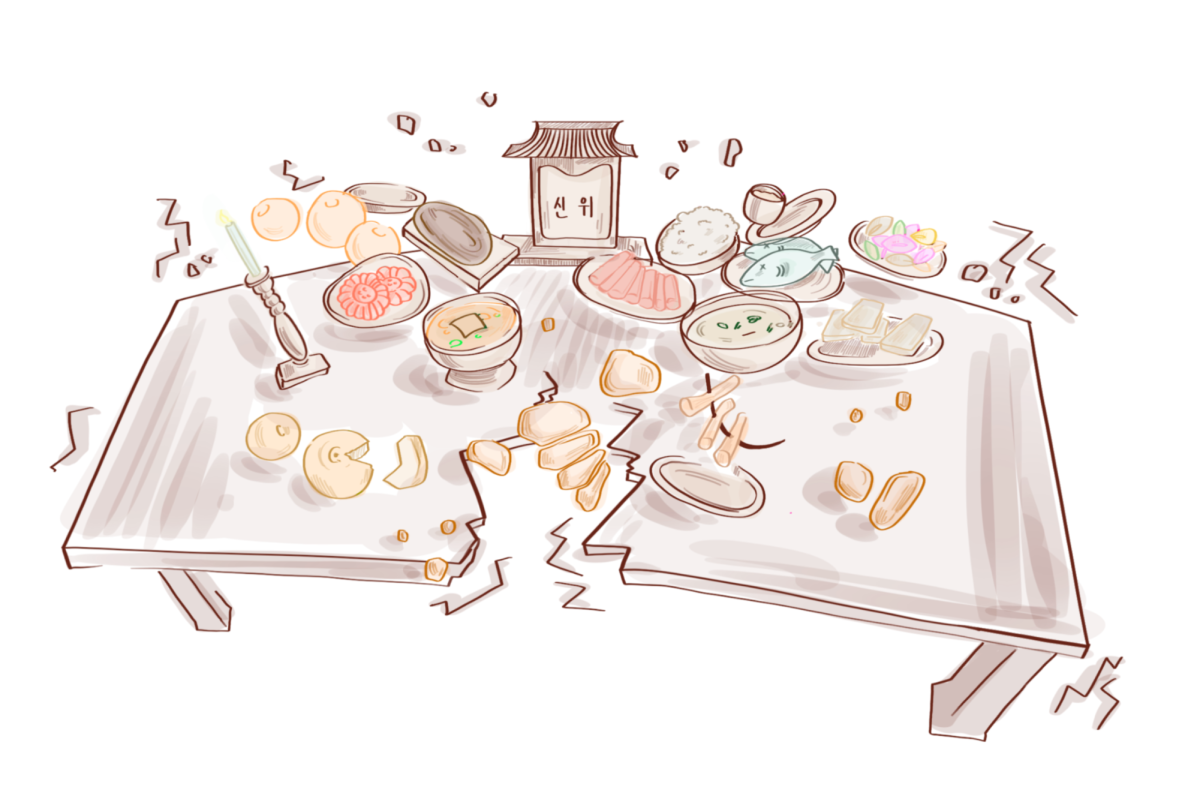
In the nation’s tightly woven social fabric, conformity carries the weight of moral virtue. At its center sits the collective ideal of a “normal family” (“정상가족”): a married mother and father raising their children under one roof. Families that fall outside this narrow mold—single-parent families (“한부모가족”), multicultural families (“다문화가족”), same-sex families (“동성가족”), and divorced families (“이혼가족”)—often find themselves categorized as abnormal. Indeed, 73% of divorced respondents in Korea identified “society’s tendency to treat them like ‘criminals on record’” as the most painful part.
The rigidity of these expectations appears starkly in numbers. Only 1.8 couples out of 1,000 file for divorce in Korea, compared with 3.2 in the U.S. While this doesn’t directly measure the effect of societal expectations on individual decisions, it suggests a general unwillingness of Korean couples to separate in a society that lauds harmony.
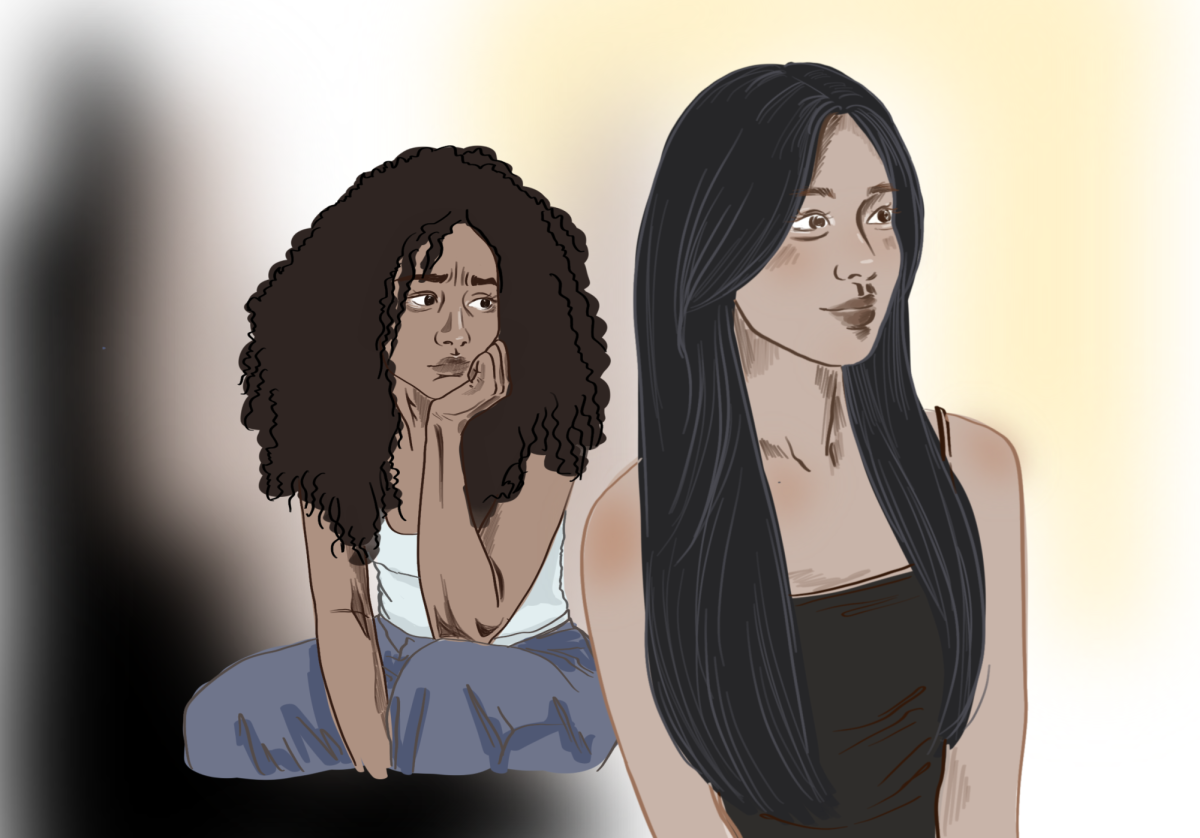
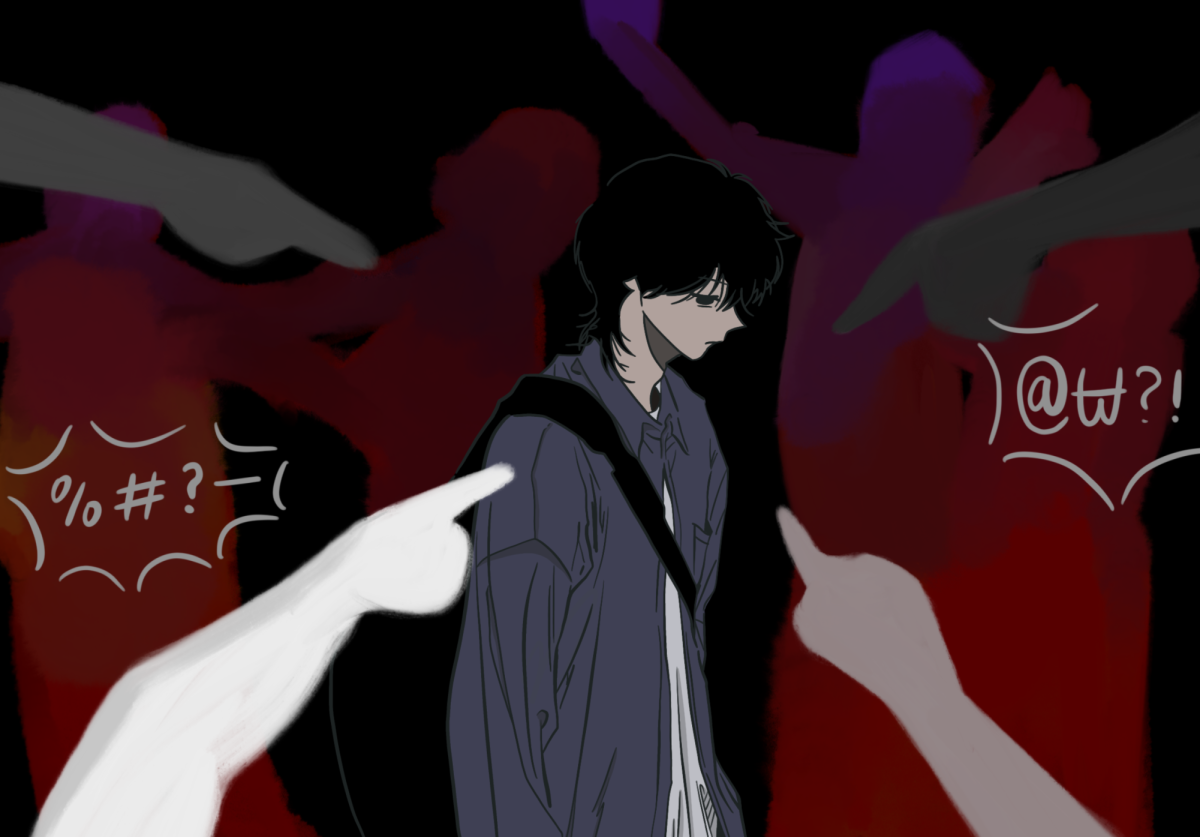
As a result, children from divorced households become targets for discrimination. As H* recounts, the society’s gaze on his one-parent family – more than the separation itself – altered H*’s self-image. “I wasn’t really afraid of social judgment, but it was the way people pitied me that got to me. I might’ve been hurt at times, but I never thought of myself as pitiful. Growing up in a single-parent family actually made me feel special. But people’s looks of pity and their words made me think, ‘Oh, maybe I really am unfortunate. Maybe I’m not normal,” said H*.
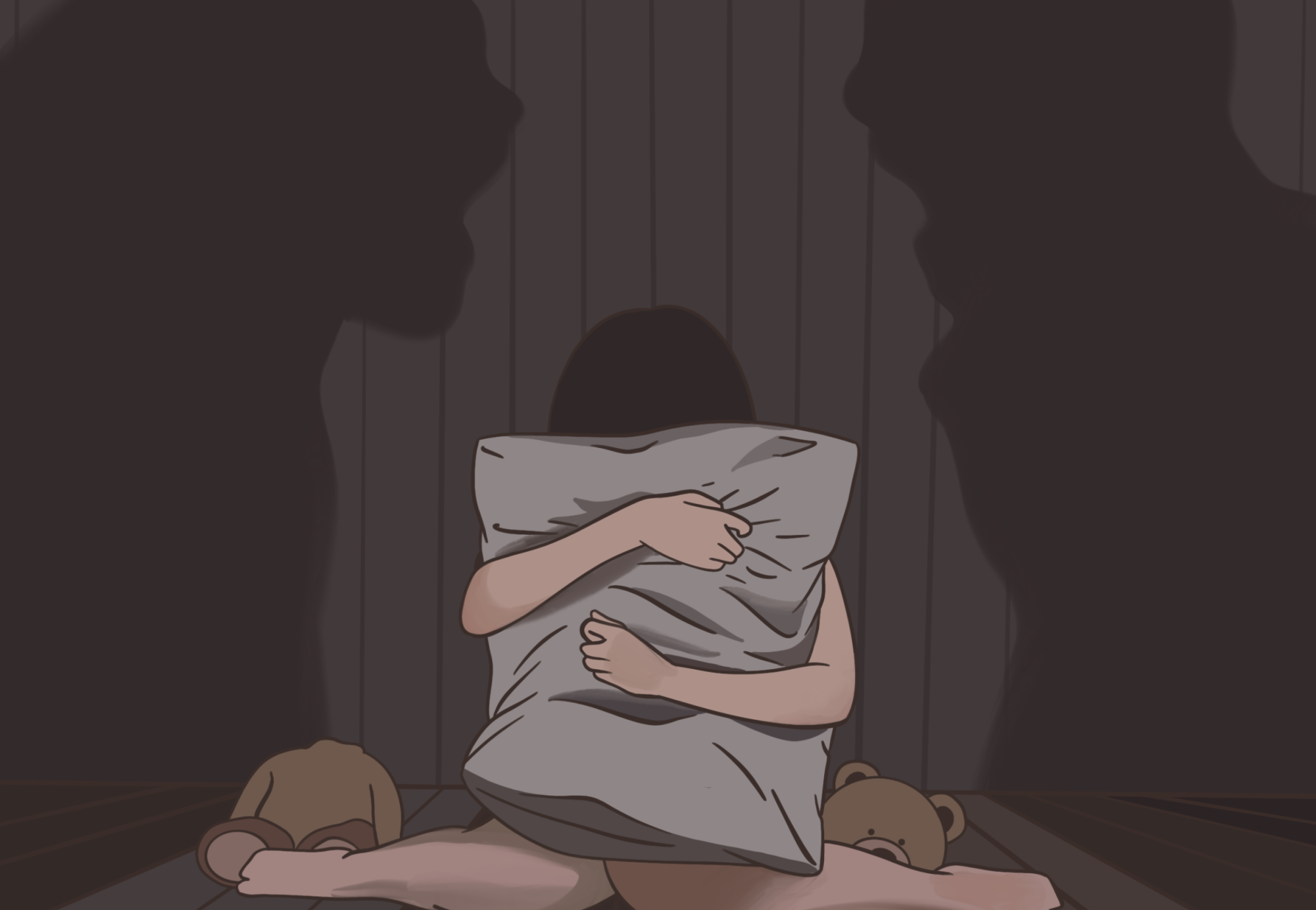
Not only do they face looks of condolence on a daily basis, but their accomplishments, however bright, are often dimmed by a single label: from a “broken family.” “On my middle school final exam during my first year, I was ranked first in the school for math and Korean language literature. Some parents said things like, ‘How did you do so well in a divorced family? That’s amazing.’ I know those comments were meant as encouragement, but it felt as if I had been placed at a different starting line,” said H*.
Even well-intentioned praise can carry a double-edge, framing their success as an unexpected anomaly. “I studied in the same classroom, took the same exams, and went through the same education system as everyone else. I felt like I was being defined by others in a way I never chose for myself,” said H*.
The experiences of students like H* point to broader differences in how countries address the impact of divorce on children. South Korea exhibits limited child-focused support policies and emphasizes financial aid over emotional and relational development. In contrast, the U.S. provides court-ordered parenting plans and co-parenting classes for high-conflict cases. Similarly, Sweden offers state-funded family therapy and comprehensive child welfare programs.
Policies and systems that recognize diverse family structures strip divorce of its social stigma. Chloe Timper, a sophomore from a divorced family, said, “Back in the U.S., most of my friends knew about it. Because the topic is thrown out way too commonly, I didn’t feel hesitant talking about it. It is an easy subject for most people there.”
In Korea, persistent stigmatization teaches children to stay silent and measure themselves against a separationist standard of what the country considers “normal.” Meaningful cultural change must begin with a shift in how society views family structures that fall outside this norm.
Only when these families receive equal respect can children from divorced families move through school, friendships, and daily life without their family structure defining their identity. Freed from that judgment, their identities will no longer revolve around stigma, but by their own experiences.


Ms. White • Mar 31, 2026 at 5:43 pm
Great article. I do find it fascinating here how many families are not divorced on paper but are essentially living separate lives daily.