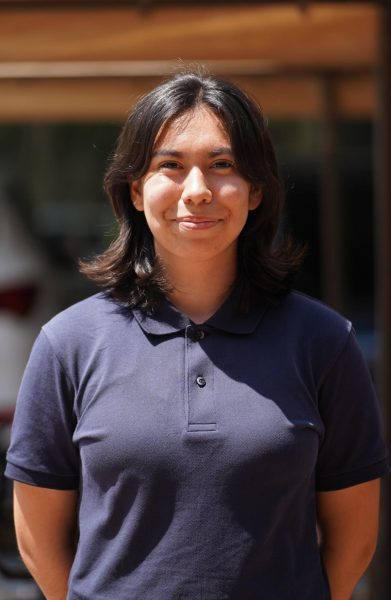





































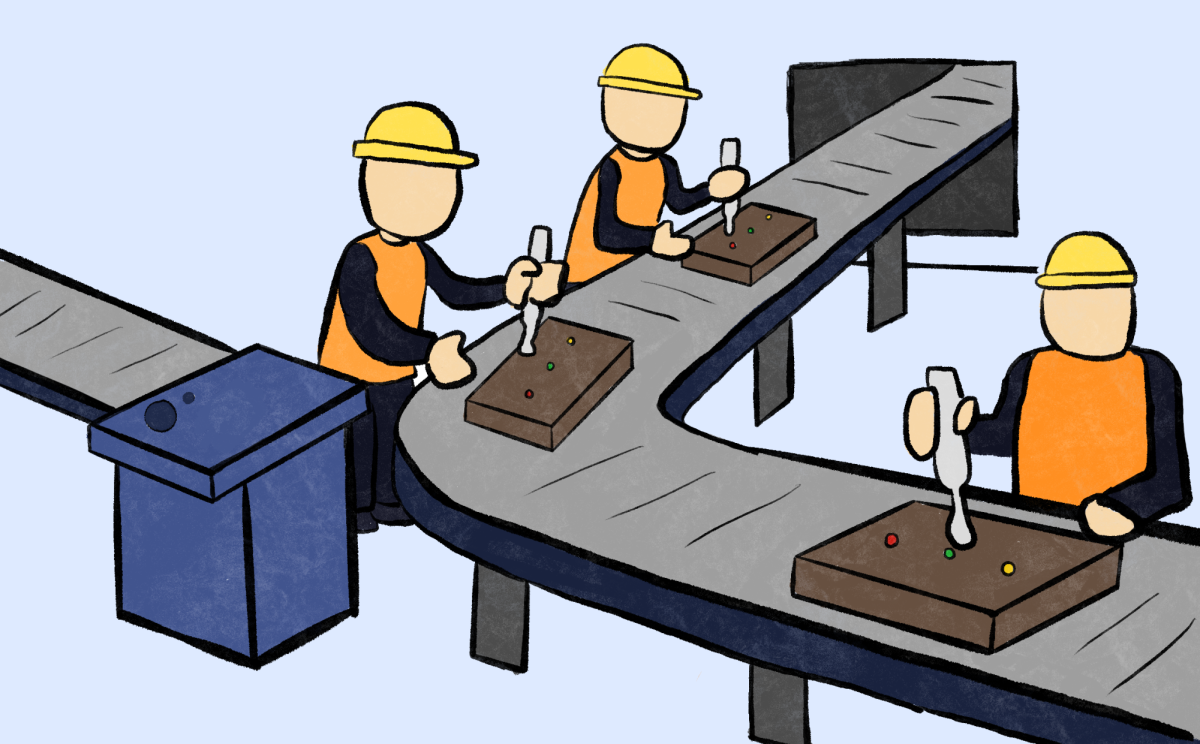
Factory worker Lee Shi-hyun shouts over the loud whirr of machines as he struggles to communicate with co-workers. A part of the gong-ik (social service) military sector, others consider his job easier than the traditional guk-gun (soldier) service, blind to the difficulties and dedication required at the factory.
South Korea bears a complicated history marked by decades of colonization and war. The Korean War, while considered over, remains the longest frozen conflict in the world. As a result, the ROK exists in a perpetual state of military readiness against the impending threat of attack from the north. To prepare for the possible resurgence of conflict, the government enforces conscription for all male citizens.
Traditionally, males between the ages of 18 and 28 must serve 18 to 22 months in the military. People try to take advantage of loopholes in order to avoid this commitment, such as BTS member Suga. But alternate paths fulfill the obligation, including work in the Korean Augmentation to the United States Army (KATUSA) and social service.
KATUSA is a unique program that enables South Korean soldiers to serve alongside U.S. Army units stationed in Korea. While still a part of the South Korean army, these soldiers work with American units and primarily use English in their daily tasks.
The highly competitive process screens applicants through English proficiency exam test scores and selects men through a lottery system designed to ensure fair admission. Because of its international environment and comparatively better living conditions than standard military camps, KATUSA is one of the most sought-after alternatives to traditional military enlistment.
Others opt for the non-combat course, acting as civil servants or industrial service workers. Specifically, each year, around 12% of men receive a physical examination rating below Grade 4, thus considered ineligible for active duty.
These men get assigned to this sector. Lee Shi-hyun, who served as an industrial service worker in 2023, said, “Industrial service workers commute to and from work and home, so after work, you’re no different from a civilian. Second, the pay is different. Industrial service workers start at minimum wage, while active duty soldiers are often paid below minimum wage.”
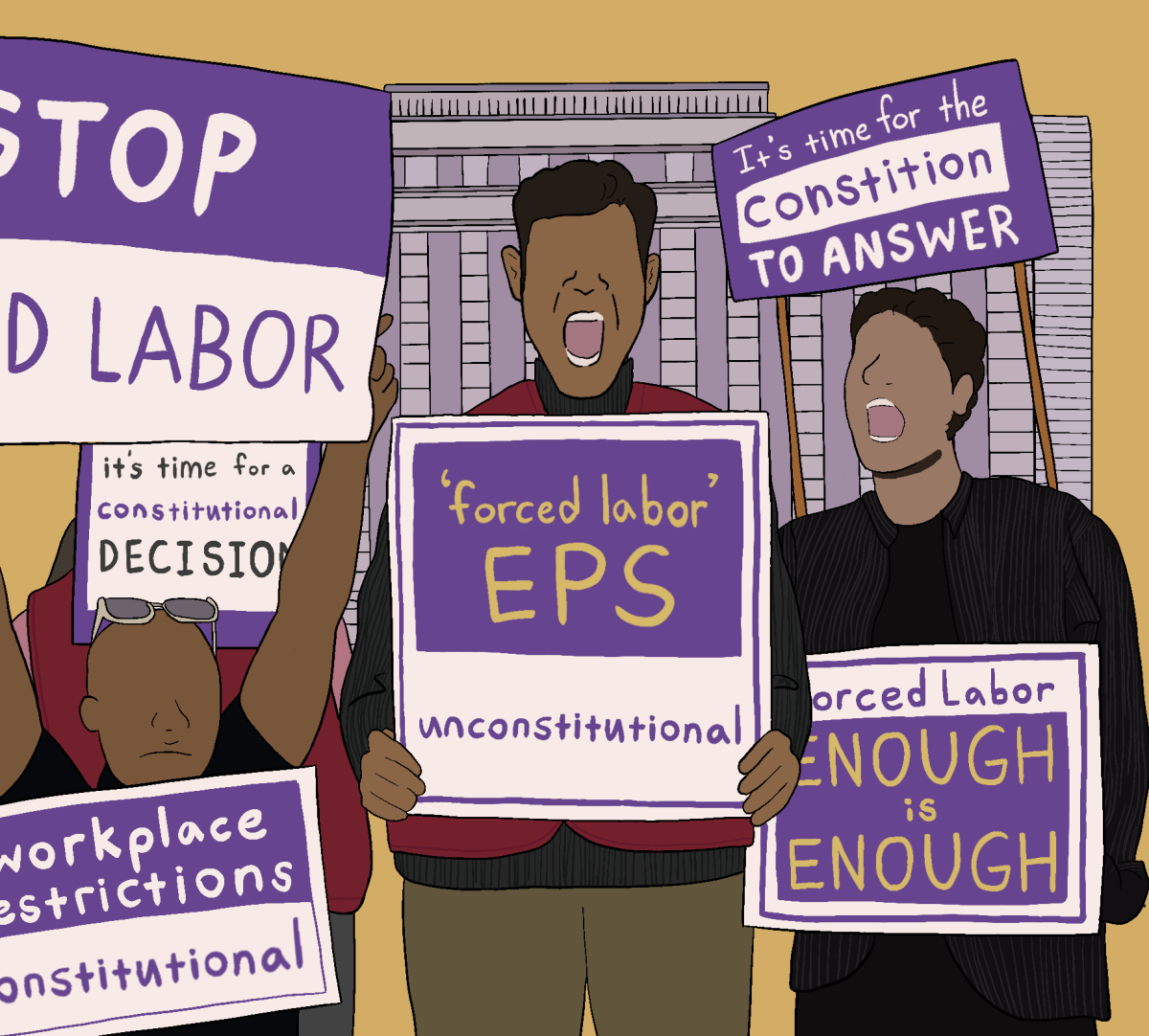
Although the easier lifestyle and higher pay make industrial service appear preferable, these workers are often vulnerable to illegal workplace practices. Changing employers is extremely difficult, and many private companies exploit this limitation. Employers frequently assign excessive workloads, knowing that workers have little power to transfer elsewhere. Lee said, “Industrial service workers only work in one department within a private company by law, but I worked in three departments. It was illegal, but I couldn’t do anything about it.”

From 1983 to 2023, the National Auxiliary Police Service (Ui-mu gyeongchal) was offered as another alternative. These officers served within civilian communities rather than military bases, which made the program appealing and highly competitive. Although they didn’t follow a conventional route, agents still completed the same five-week military training as enlisted soldiers, followed by an additional five weeks of police-specific training.
Jung Ik-Yun, who served in the Auxiliary Police Force for 21 months, said, “Applicants submitted written applications, and those who passed the document screening proceeded to interviews and physical examinations. Final selection was based on performance across all stages…I personally know individuals who’ve applied multiple times before being selected.”
While South Korea’s conscription is often frustrating, the system ultimately reflects the nation’s preparation and responsibility for public safety. Programs such as KATUSA, social service, and the National Auxiliary Police Service show the alternate routes in which men can serve their country. Despite disparities in privilege, labor conditions, and opportunity, each alternative still requires dedication and sacrifice. Regardless of which path individuals choose, military service continues to be a meaningful rite of passage for all male citizens.