





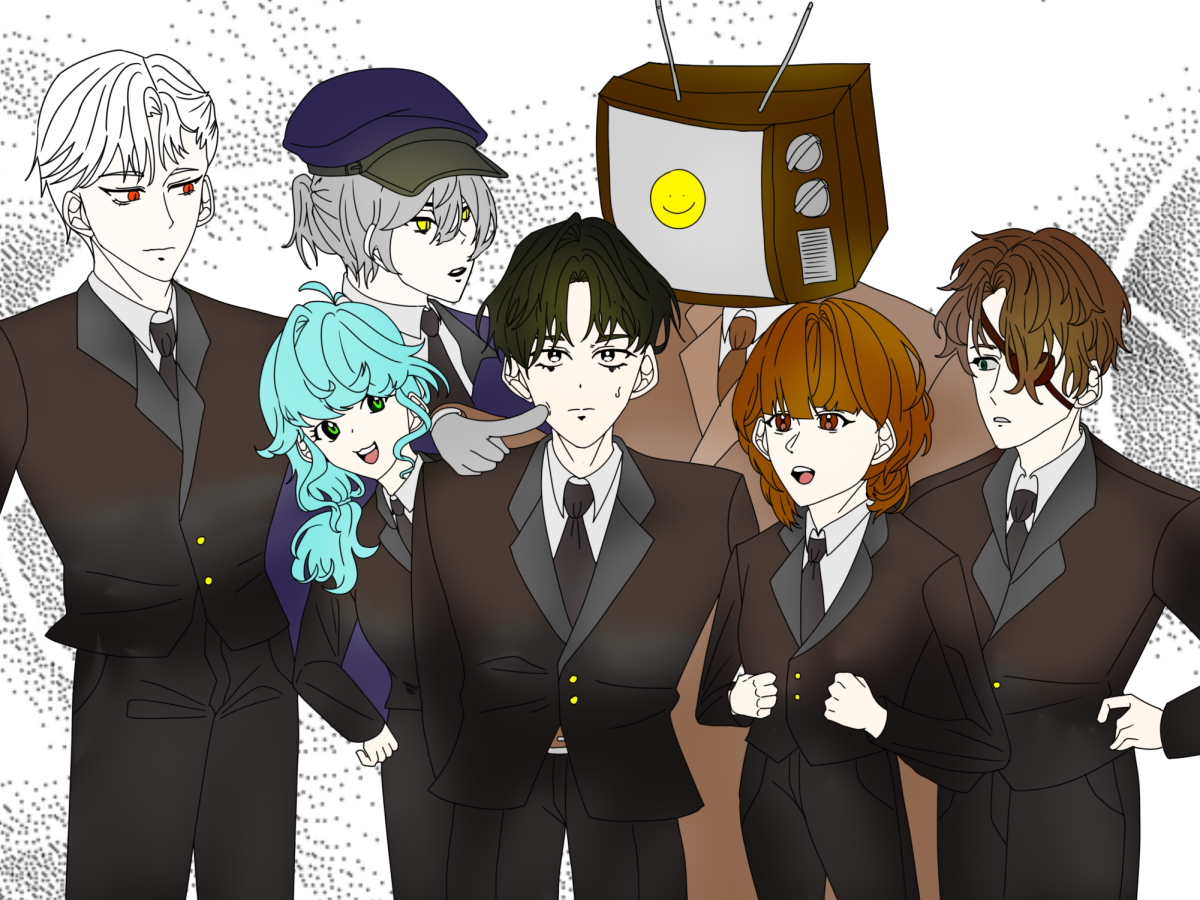















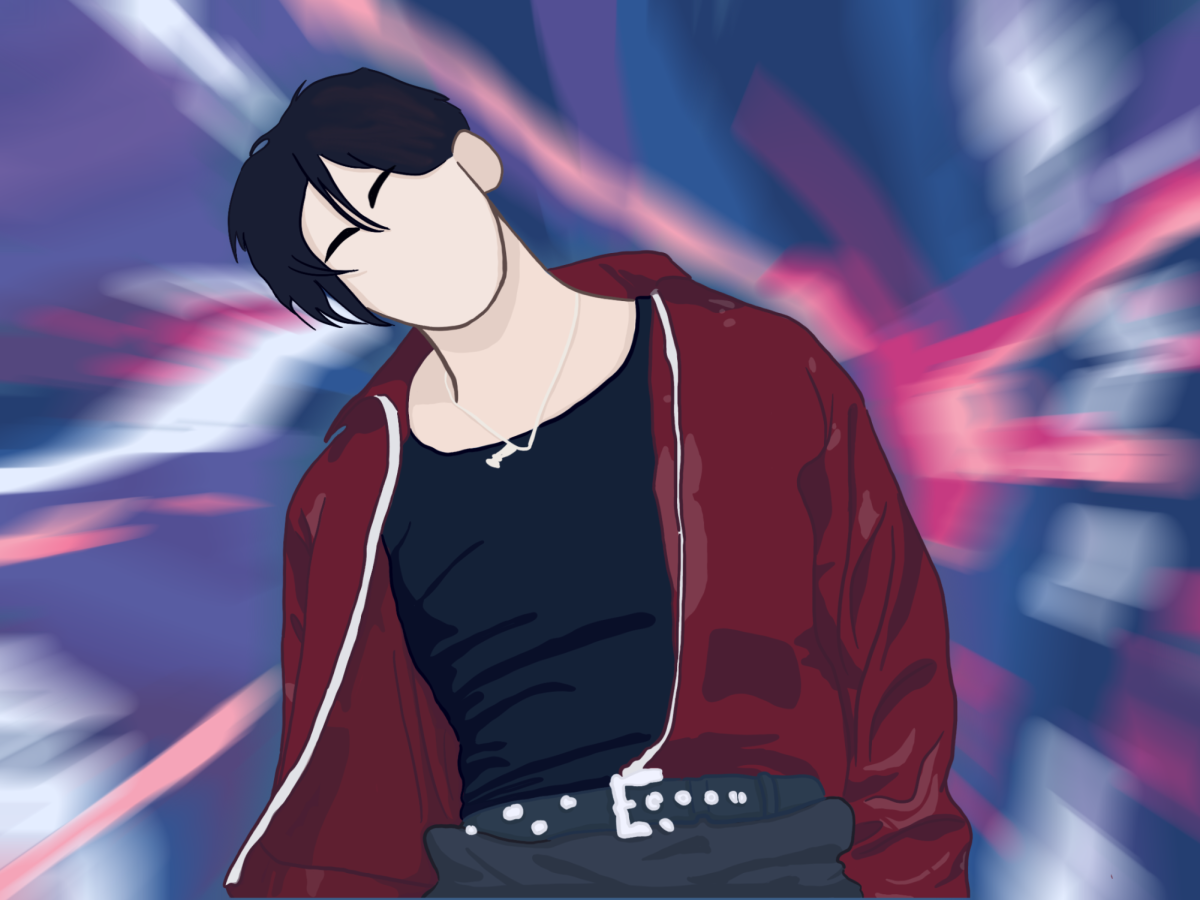
The stage illuminates ninth-place Kangmin-Yoo’s face—a popular contestant in a global K-pop survival program titled BOYS II PLANET. The music buzzes, and rows of teenage trainees tremble as the MC painstakingly announces the rankings.
The term “survival program” refers to a cutthroat entertainment series where fans almost entirely determine the makeup of an idol group. These programs garner massive support from K-pop fans. From an industry point of view, these shows secure a concrete customer base for album, concert ticket, and merchandise revenues. Since Produce 101, the pioneer of this genre, over a dozen survival shows have entertained Korean viewers.
Yet, this seemingly democratic format hides a heavier truth. While these shows steer the futures of young teenagers, they toy with the contestants through manipulative editing, where producers overexaggerate conflict and tension for views.
Often dubbed as “the devil’s editing”, the producers cut and paste footage to tell the story as they see fit, regardless of reality. This can frame a warm, supportive, and calm trainee as arrogant and nosy. Survival show fan Minju Koo in eighth grade explained, “The trainees that the producers don’t like have been getting into devil’s editing and have ruined their reputation.”
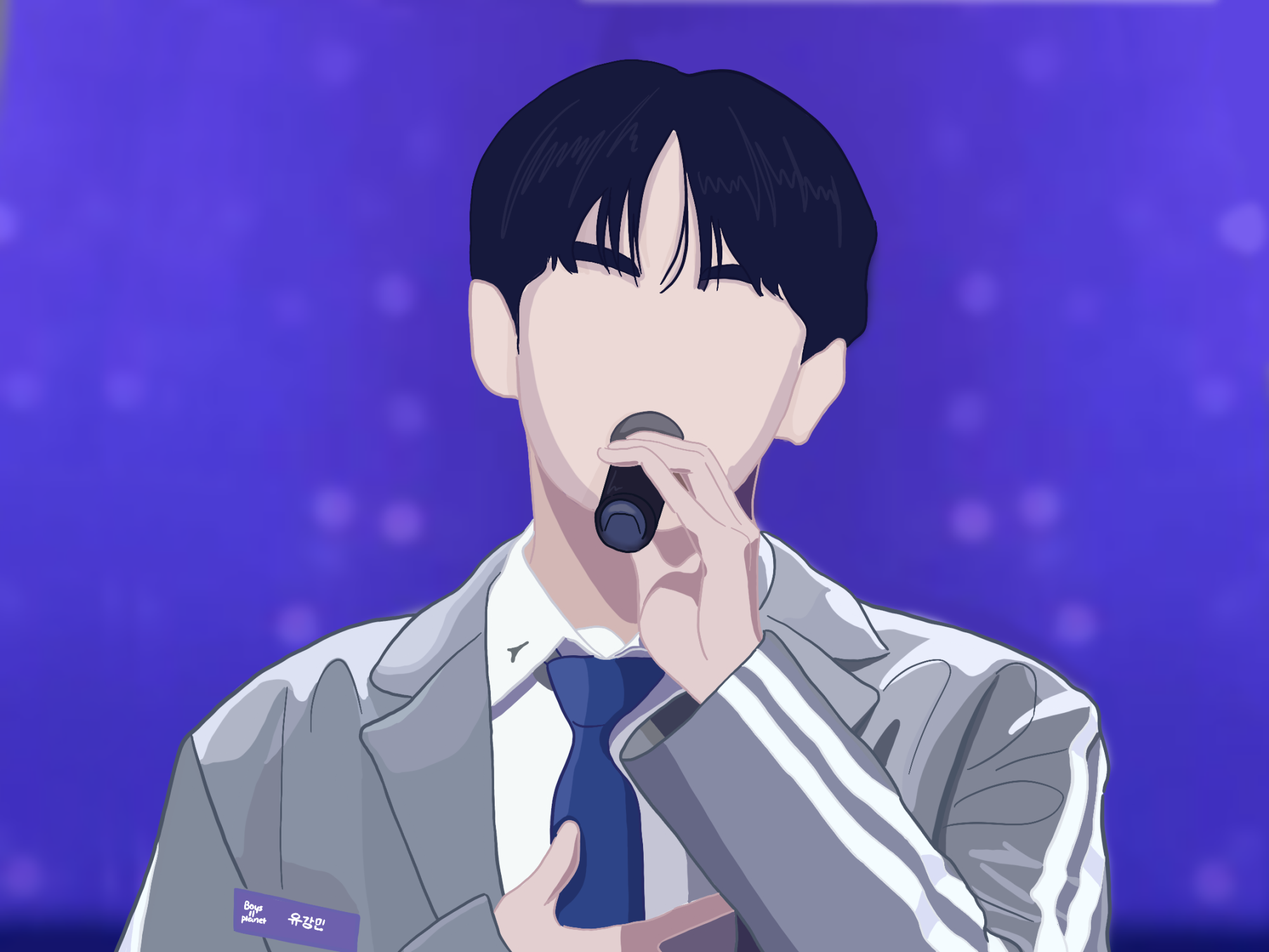
Unlike previous seasons, where the first elimination occurred at least four or five episodes in, Boys Planet II removed contestants from the very first episode of the season. This triggered hate from the viewers, who asserted that judges should not choose the fate of the contestants in a “fan-made” show. To justify this, the producers purposefully accentuated participant Nuri Park’s lack of vocal skills, repeatedly replaying clips where he failed to sing.
Unfortunately, viewers rarely question the manipulation and react only to what appears on screen or other shallow controversies. Take the recent case of contestant Leo Lee—his nickname “Rio” coincidentally overlapped with that of Ryo from NCT WISH. NCT-zens, the team’s fandom, retaliated and deliberately downvoted him. Boys Planet II fan and seventh-grader Olivia Park said, “I felt really bad for Leo Lee because he is a skilled trainee, but he is facing a lot of unfair hate just because of his name.”
Contrary to the meritocratic speculation that skills and visuals equate success, popularity depends less on their actions than on the audience’s take on a fabricated facade. In an industry where their public persona determines one’s value, even minute mistakes spiral into extreme hate.
Built on tension, fan wars, and emotional manipulation, these programs center around clout chasing, not real growth. The entertainment industry must remodel the exploitative formula to prioritize sufficient training, a stable environment, and the dignity to grow as artists who inspire rather than an embodiment of disposable fame.