







































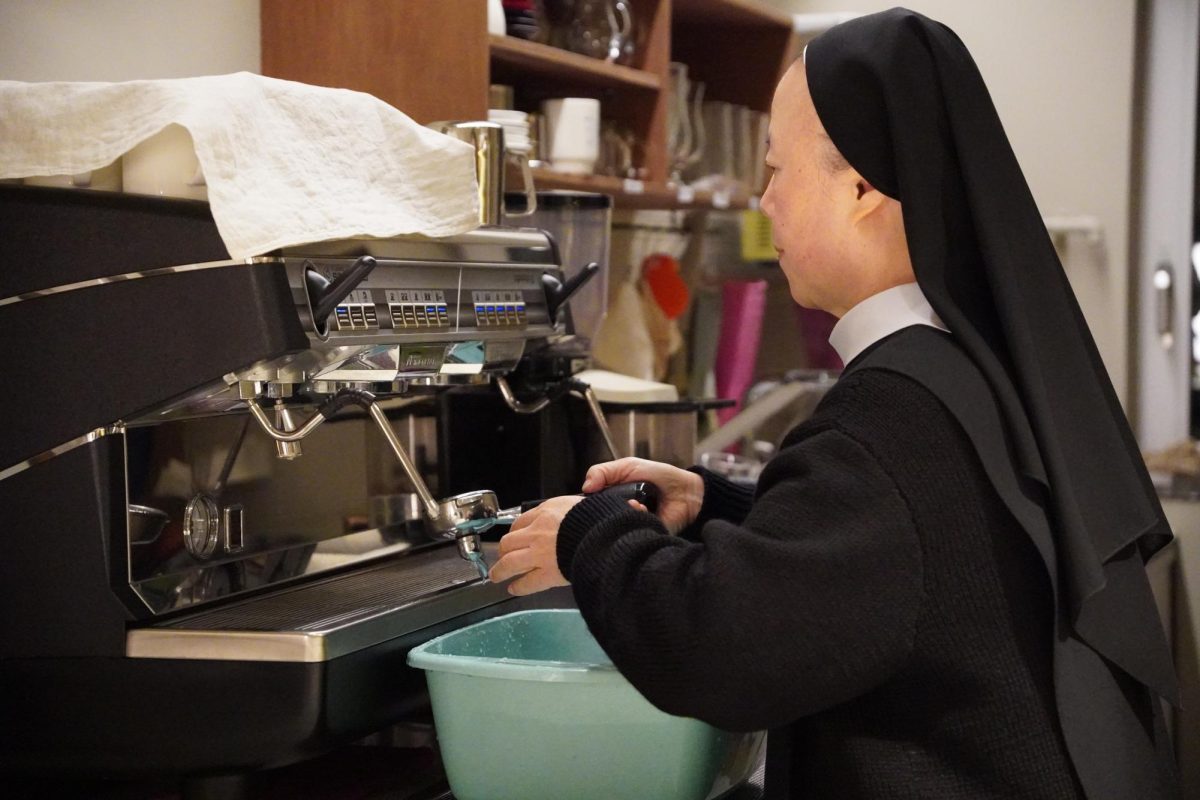
On a weekday afternoon in Daegu, customers line up after work as nuns greet each of them by name. Cups clink, and conversations drift by routine. Nothing about the zero-waste shop ‘Cafe Benein’ shouts urgency or reprimands inaction. No posters warn of the doom-and-gloom of the climate collapse, and no signs daunt visitors with a sense of alienated responsibility. Instead, every corner of the cafe whispers small, personalized changes.
Testified by the catastrophic climate narrative, sustainability does not falter because people lack a sense of concern or urgency. It fails when the social atmosphere frames environmental action as something that demands constant attention, sacrifice, and moral effort. This guilt-driven narrative breeds climate anxiety and paralysis and stifles cumulative change.
When society presents environmental action as a moral test that requires one to sacrifice cost, convenience, and time, “going green” often stalls. In Daegu, a city known for its conservative values and the highest cafe density in the country, Cafe Benein removes the choice entirely. Here, sustainable behavior melds with daily routine.
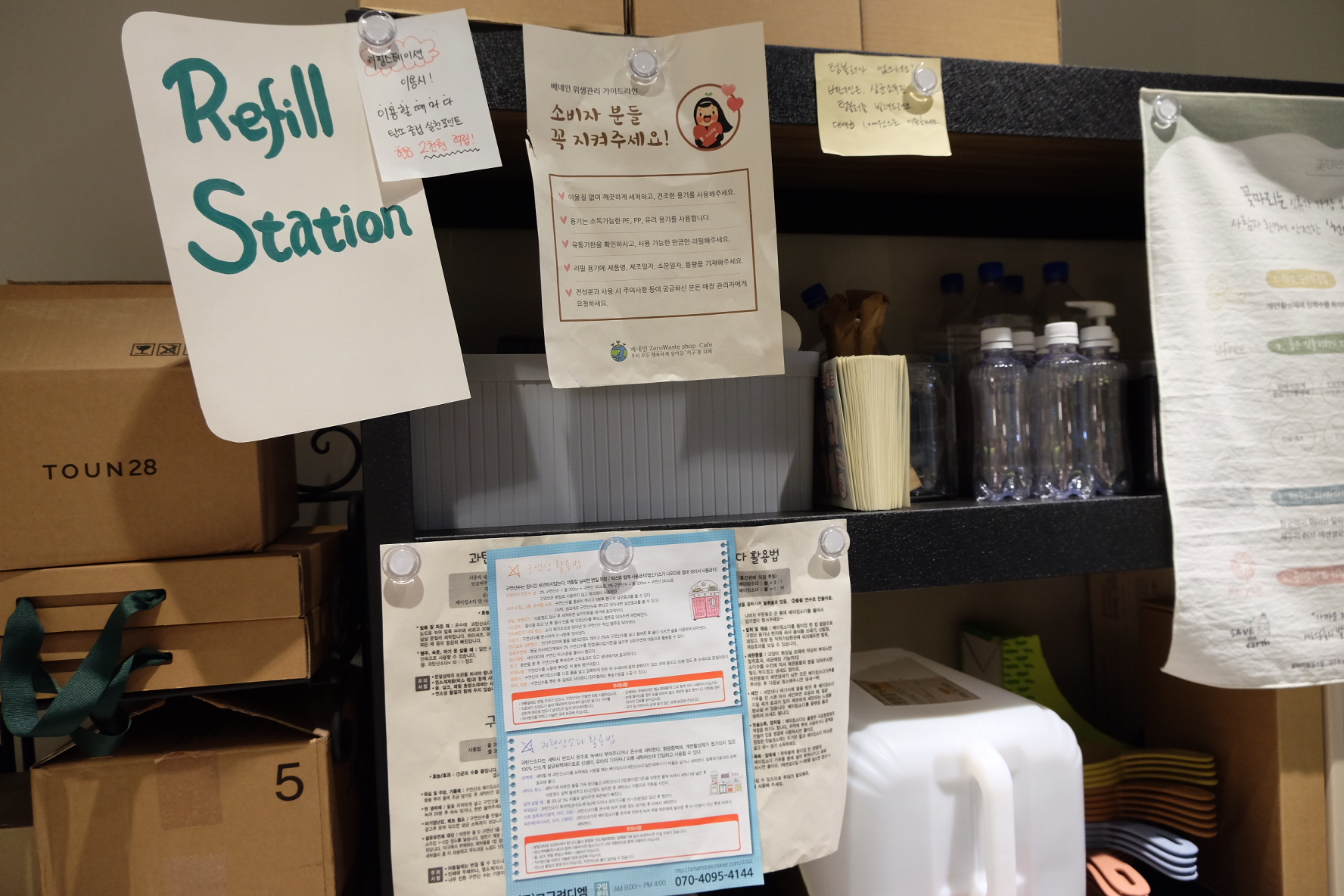

The cafe sits on land layered with history. During the Korean War, Catholic sisters who fled the North settled here in Daegu. When return became impossible, this site became their first home. Decades later, when the aging structure could no longer be repaired, the sisters chose to rebuild their home to give back to the city that had taken them in.
Sister Rose, one of the nuns who lived and worked at Benein for over eight years, said, “We kept asking ourselves what we could give back to Daegu…specifically, we wanted to give back to Daegu’s youth. So when we rebuilt, we made the lower floors open to everyone. No fences. Anyone can come in.”
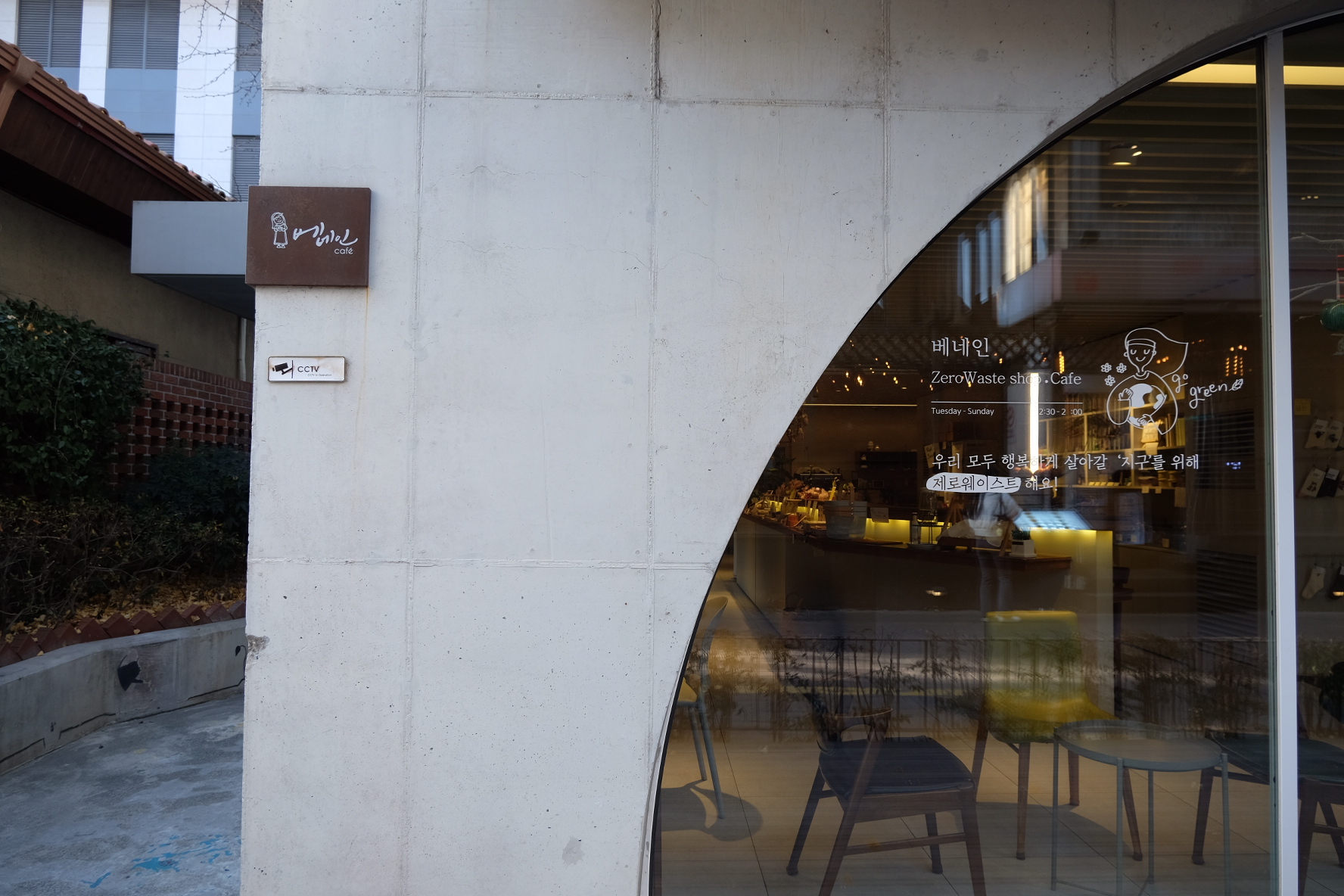
Over time, the neighborhood transformed into one of Daegu’s densest cafe districts, and global conversations about climate intensified. For Cafe Benein, the answer to their question came from the Catholic teaching itself. In 2014, Pope Francis issued an encyclical calling for care for “our common home.” The document reframed environmental destruction not as a technical problem, but as a moral one rooted in how humans understand their place in creation.
“Catholicism doesn’t teach that humans are the owners of Earth…We’re caretakers. We live together with animals, plants, and other people. If humans damage what was entrusted to us, then humans are responsible for restoring it,” said Sister Rose.
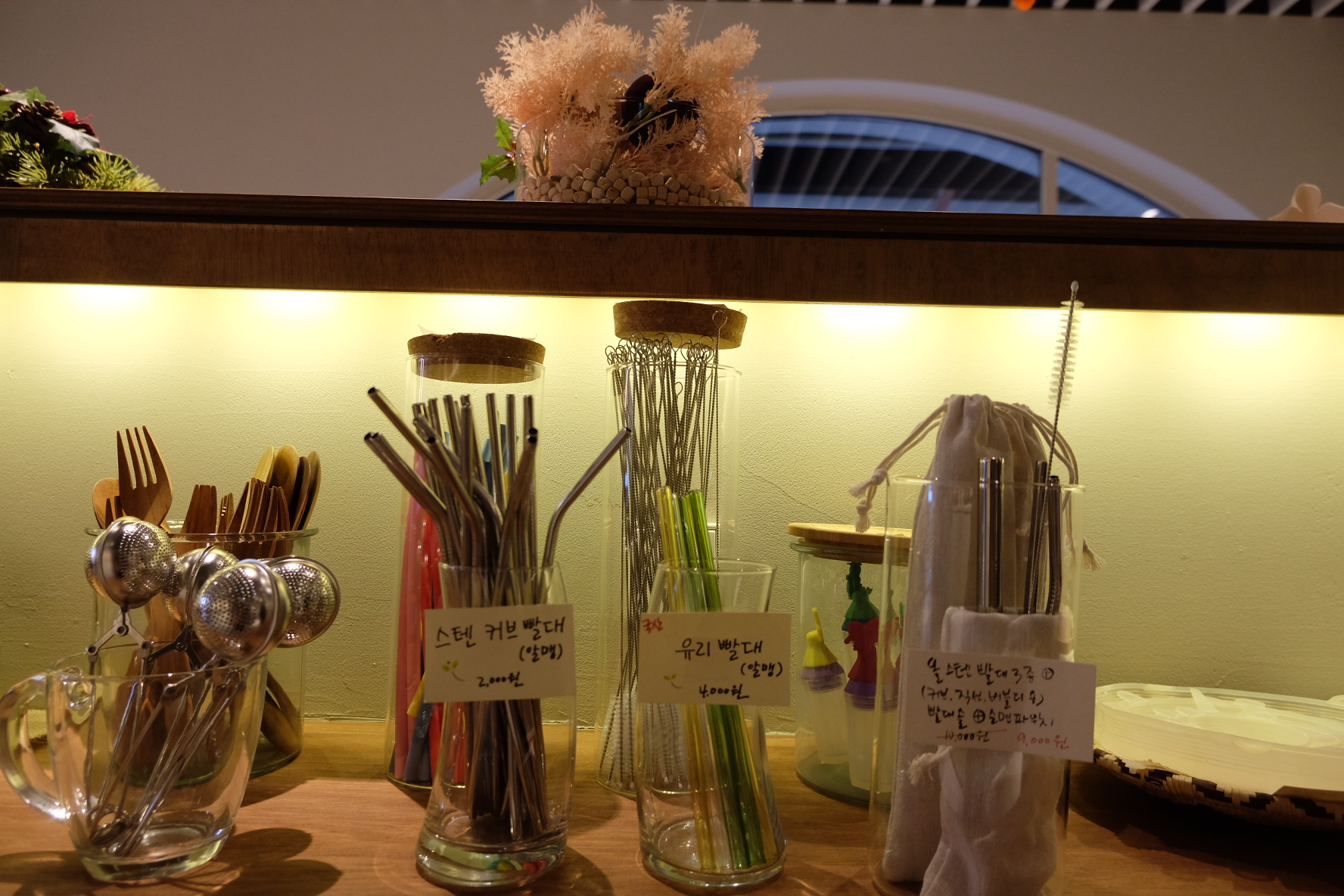
At Benein, the previous focus on fear, urgency and distant consequences toward actionable changes in our routines. “Caring for the Earth looks different for everyone…Some people choose veganism, some focus on energy use. Zero waste is just one place to start, but it’s definitely something you can practice with your body,” said Sister Rose.
Visitors of all ages flock to the cafe. Children arrive holding their own snack containers, and students learn to carry handkerchiefs instead of relying on disposable paper towels. Some customers laugh when asked whether they really need to buy something from the shop. “They tell me they’ve never seen a shop owner who tries not to sell,” Sister Rose said. The goal, she explained, aims to interrupt and break habits that come to feel natural simply because of their convenience.
Sister Rose points to poomasi(품앗이), a traditional Korean practice of mutual aid between neighbors, as a useful way to think about environmental action as a shared effort. “No one fixes everything alone, but everyone can carry one step…The work is slow, and most of the time, inconvenient. But it is also deliberately ordinary. Perhaps that ordinariness is its greatest strength,” said Sister Rose.
In a city shaped by routine and tradition, Benein reframes sustainability as an expression of coexistence; it changes the conditions under which environmental care takes place. This cozy corner of Daegu removes guilt, urgency, and moral performance and brings sustainability closer to the small habits in our routines.
Cafe Benein frames environmental responsibility through Catholic stewardship, but its message extends beyond faith. Care for “our common home” operates as a shared obligation among all members of humanity, carried out through everyday cultural practices that quietly reshape how we live together.