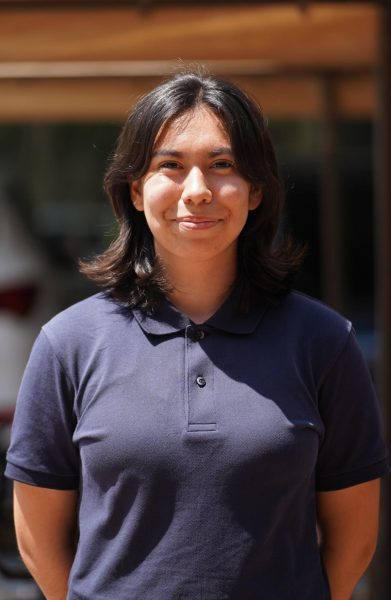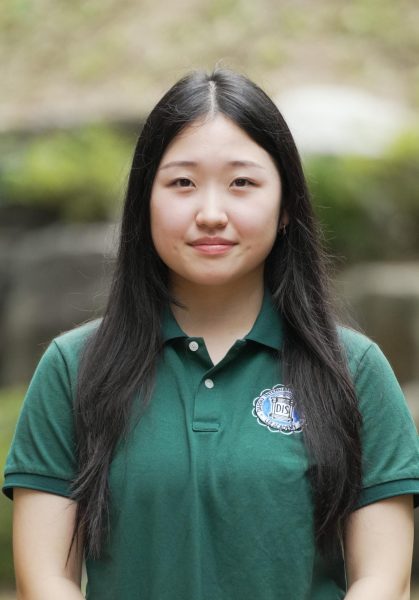




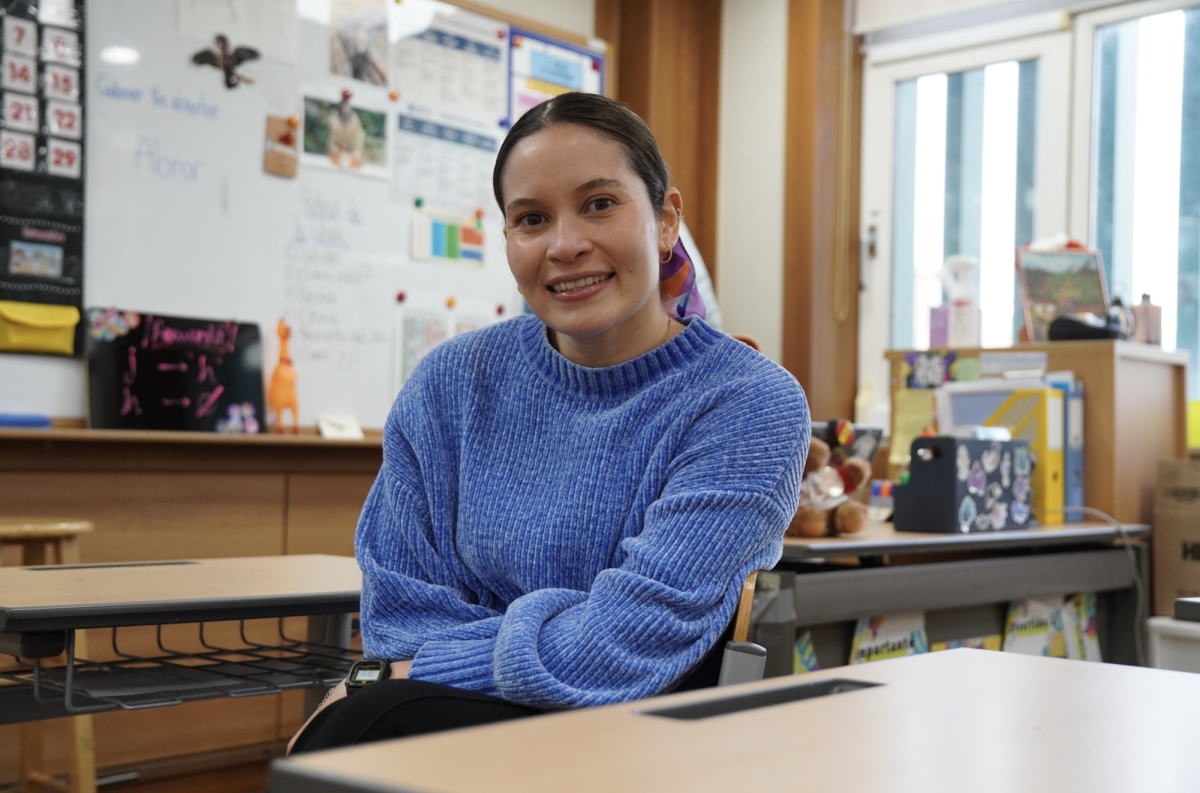
Around the globe, the Venezuelan flag flies proudly while its citizens cry out in joy and relief. Voices clamour as thousands of Venezuelan citizens take to the streets to celebrate the capture of the president. Their smiles shine, eyes sparkle with tears and hope, as, for the first time in two decades, their nation is free from the rule of dictatorship. Part of the foreign diaspora, DIS teachers Ms. Lopez and Mrs. Purdy, spread the euphoria that has shaken the Venezuelan community worldwide.
The Arrest of Maduro
Former president of Venezuela Nicolás Maduro and First Lady Cilia Flores were apprehended by United States Special Forces under the order of U.S. President Trump on Jan. 3, 2026. Operation Absolute Resolve was conducted with zero U.S. casualties and 55 estimated deaths of Maduro’s Cuban and Venezuelan security officers. Vice President Darcy Rodríguez has since been declared as Interim President by President Trump and the Venezuelan Supreme Tribunal of Justice until the foreseeable future, while U.S. Secretary of State, Marco Rubio, acts as viceroy of operations of Venezuela’s transitional government.
Within 24 hours of the arrest, an uproar quickly rose on social media — Never Trumpers and the President’s supporters alike watched warily. Some went as far as to claim a new age of imperialism or colonialism had officially started under Trump’s administration.
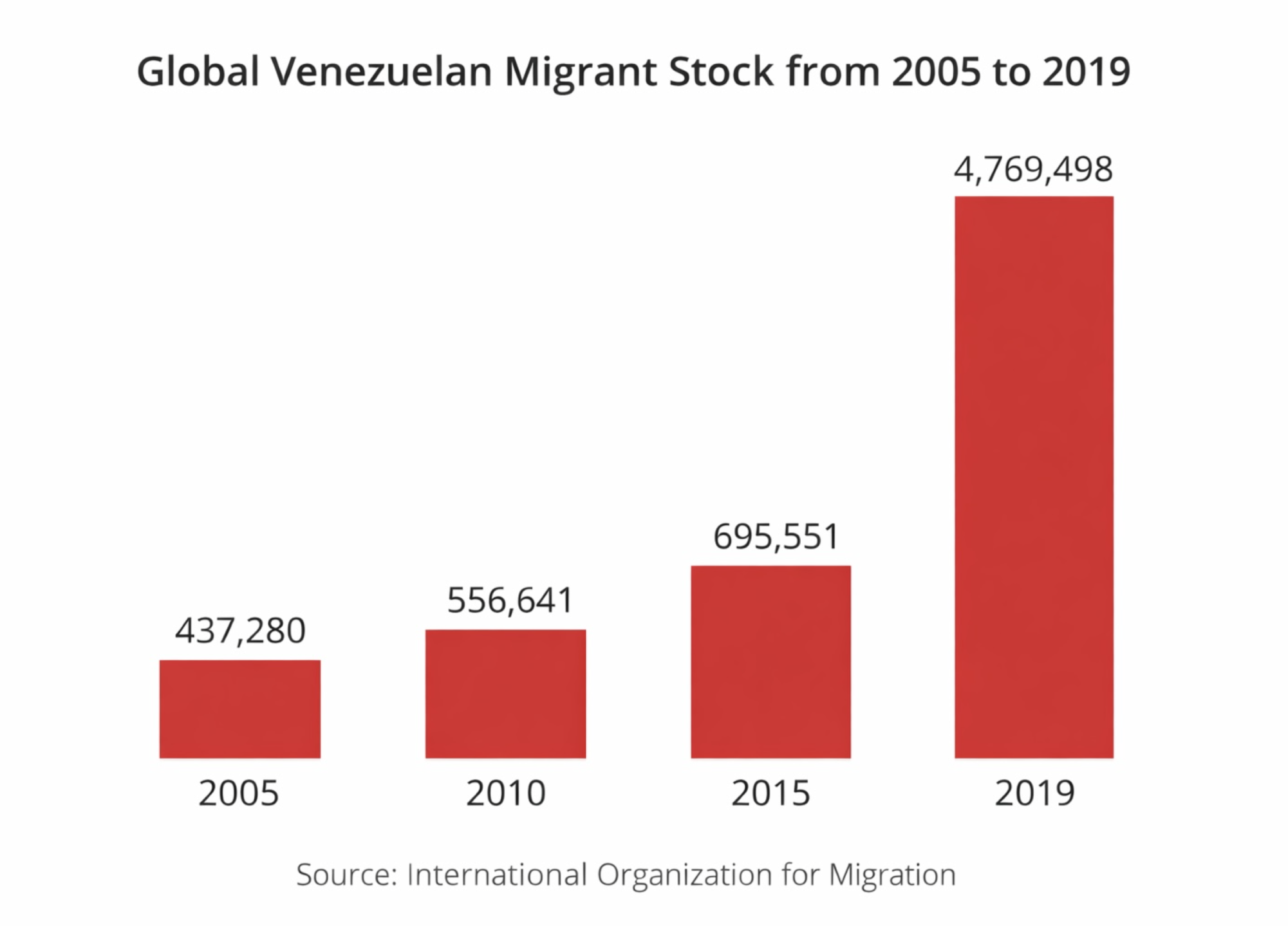
Native Venezuelans’ reactions were in sharp contrast. Domestic and out-of-country citizens look to the future with hope as their understanding of the subject differs from general Western opinions. Thousands celebrated in the streets of cities around the world, although internal Venezuelan doors stayed shut due to a continual lack of freedom of speech and suppression of anti-Maduro and anti-Chavismo sentiments.
Venezuelan high school Spanish teacher Ms. Lopez said, “The use of force, in certain circumstances, is necessary. And this is reality. Obviously, we were a little scared, what’s next, but seeing Maduro being caught and taken to jail, and also his wife, is something for Venezuelans we will never forget. We were really happy for that.”
Native Venezuelan Mrs. Purdy said, “[When I found out,] we were with a friend from Ireland, and he couldn’t understand, like he was so shocked. ‘I can’t believe Trump did this’, but I was like, ‘Well, I’m happy.’ When you read and try to understand what has happened to my country all these years, then you understand that there was no other choice.”
Modern History of Venezuela
In 1914, the world’s largest known oil reserve was discovered in Venezuela. In the ensuing decades, as a founding member of OPEC, the nation’s wealth flourished until the mid 1970s. Despite this flux of wealth into the economy, national leaders neglected to invest the revenue into other, non-oil-related industries. By 1986, oil prices dropped dramatically, and the euphoric monetary wealth was unsustainable.
Ms. Lopez said, “There have been different periods in which Venezuela has received the money from the oil, and it was not reinvested in developing tourism and agriculture. So, when oil prices went down, you can imagine the debt with other countries. So many things affected the economy.”
Over a decade later, in 1998, the nation’s first President of the Fifth Republic was democratically elected. Hugo Chávez was sworn into office Feb. 2, 1999, the start of a 13-year reign that would only be curtailed by death. During Chávez’s presidency, representative democracy died in Tierra de Gracia.
Changes to the nation’s Constitution and Supreme Court cemented Chávez’s position in power. Throughout this period, investment in the oil industries decreased even more. Oftentimes, money would instead be lost to corruption or propaganda for and from allied nations such as Cuba, Nicaragua, and other allies.
Ms. Lopez said, “That money was used just to pay friends, and for propaganda exporting the idea of the revolution, we saw none of it. I remember that Chávez even paid one American actor (Danny Glover) to promote the country, to promote and to create propaganda for Chávez.”
Life Under Maduro
Chávez’s death in 2013 led to a minimal shift in legislative power, as his successor had been handpicked by him years prior. One month after the death of the former President of Venezuela, Nicolás Maduro was sworn into office after he won a special election. Citizens of the country watched in outrage as a rigged election decided the future of their nation.
Ms. Lopez said, “I think the main difference under Chavez, it was like a dictatorship, but like a hidden dictatorship. You wouldn’t see it, or you wouldn’t perceive it in the streets. That was different from Maduro. Because Maduro, when he got into power, you could see how he did it in front of everybody.”
Rife with Corruption, the new administration chose leaders without qualifications. Ms. Lopez said, “You were accepted in a position if you were part of the party, if you were ideologically aligned with them, not because of your merits, or because of your profession, but because of your knowledge.”
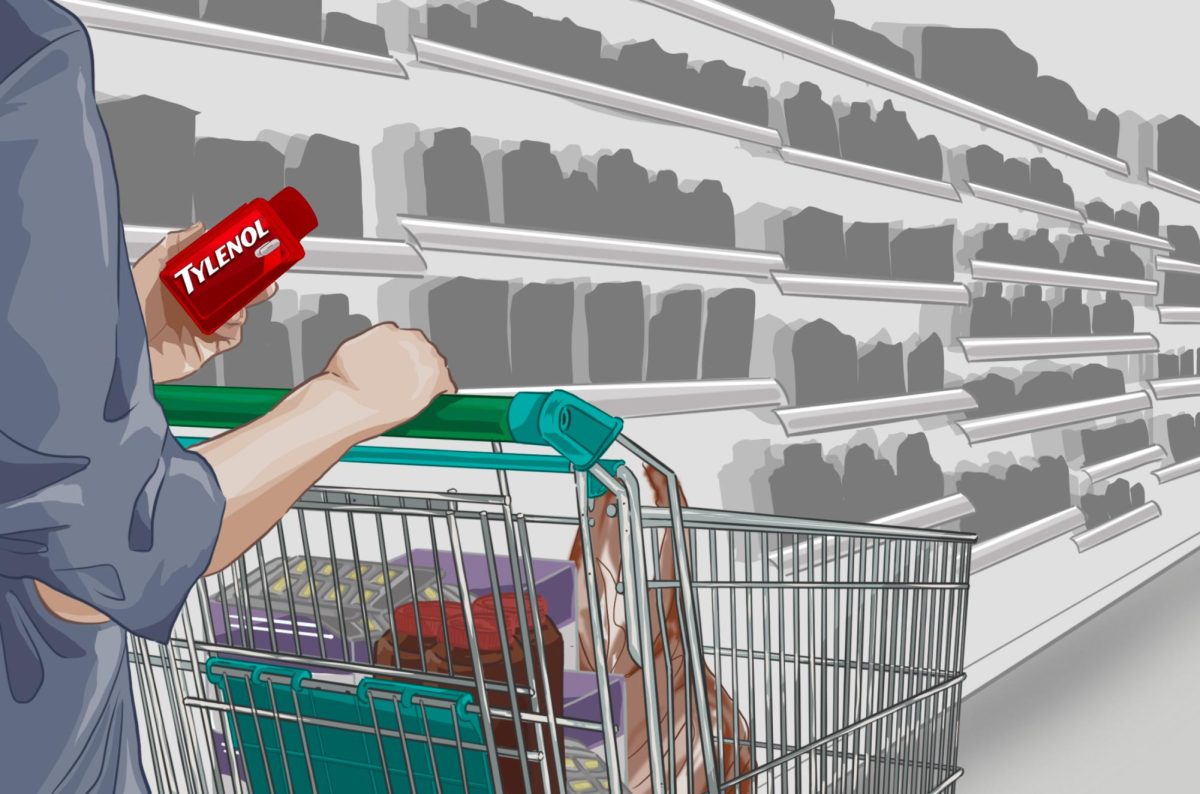
Food became a political tool, a basic necessity reduced to a bargaining chip to create obedience among the population. Desperate citizens would buy basic ingredients from the black market or wait in line for hours for a single item.
“They would hold food and that kind of thing hostage. That’s part of the corruption.” Mrs. Purdy said, “In 2016, you could feel the food shortages and many, many businesses closed. I remember waking up at 2 am to go to a supermarket and staying in line until they opened at 8 am just to buy one product. It was very sad because you would see mothers with their babies at 2 am just sitting on the ground waiting for the supermarket to open. And sometimes they would open and say, ‘no we don’t have it’, so you wasted all your morning, your nighttime, your sleep, to be there.”
Ms. Lopez said, “I remember in 2017, to buy harina pan — we use harina pan to make arepas — you had to buy it in the black market. In those years, the school cafeteria had to change the price of things every day, because every day the inflation was up and up.”
Other basic necessities were also held hostage, and prices would be raised to a degree that the common population could not afford to purchase them.
Ms. Lopez noted the poor quality of life and lack of essential items under Maduro. “It was really hard to find medicine, to go to a pharmacy, and to be able to find a specific medicine. Every simple thing was difficult there because of how disastrous, how messy the economy was.”
On top of food and medicine shortages, violence spilled onto the streets. Many young men and women were coerced or forced to join criminal gangs that would threaten, harm, and murder citizens.
Ms. Lopez said, “You know, one of the reasons why I left the country was because I was a little tired of living in a country where you have to be careful all the time when you go out in the street. Many young people were killed with weapons, especially by the army. There was also violence in not allowing you to speak. No freedom of speech. Now I look at that and say, ‘wow, how was I able to live in a society like that?’ You know, you adapt to everything.”
New Leadership and U.S. Interference
Three months have passed since the arrest, and the public has watched Mr. Trump’s every move related to Venezuela with great trepidation. The media raised concerns about the involvement of the United States; both liberal and conservative voices were concerned for the democratic development of the nation as the U.S. takes control of domestic oil production.
Amid worldwide concerns for the future of the democracy of the Venezuelan Presidency, the announcement of Ms. Rodriguez’s promotion was not considered a win by many, but was acknowledged as a necessity by others.
Mrs. Purdy said, “She’s been part of that group, that ‘elite’. Everyone in that government is corrupt. I don’t trust her either, and the day the full group of those people is out of the government, that is when you really think ‘oh, now we can start from zero.’”
Contrastingly, Ms. Lopez said, “[Her ascension to presidency] is something that is necessary. You know, in politics, you really need to be very careful what you do. And I really think that Delcy Rodríguez and some other people from the Chavismo are kept there because they have control of many institutions, and they are the only ones who can help to make some decisions, like they are doing now.”
“She needs to be there because she has the information, she knows the people. Other people there are dangerous, and they have control of violent groups. So it’s better to keep them there in this transition, this is supposed to be a transition, to eliminate some things, to take some measures.”
Already, changes have been noticed by locals and foreign media under the leadership of Rodríguez, heavily influenced by Rubio, including the release of hundreds of political prisoners. Freedom of speech has also been loosened, as students started to take to the streets and radios and talk shows started to speak their opinions, regardless of ideological alignment.
Ms. Lopez said, “Some people are starting to speak freely on radio and television. There is less repression. Little by little, [freedom of speech] is being reestablished.”
Changes in Venezuela’s Oil Trade
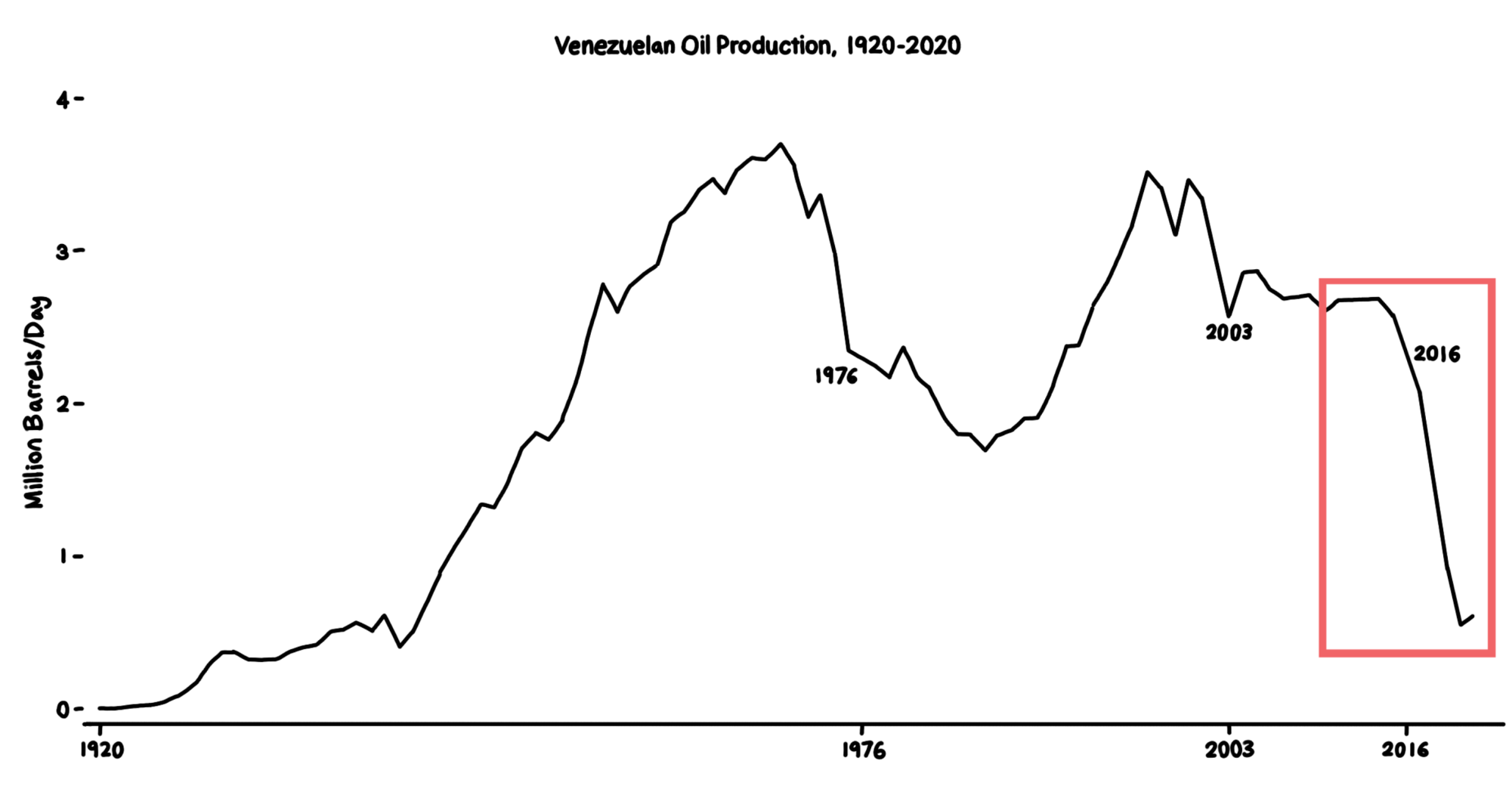
Prior to the raid of Caracas, Venezuela’s primary oil export was China, with up to 90% of Venezuela’s annual oil production traded to the East. This relationship was largely forged after heavy U.S. sanctions were imposed by Pres. Trump in 2017.
As of March 2026, under Mr. Trump and Marco Rubio’s instruction, Venezuela-China trade relations have strained as harsh conditions have been put in place to control transactions between the two countries.
Oppositely, trade between Venezuela and the U.S. has sharply increased after 9 years of U.S. sanctions on the South American country. During the State Of The Union Address (SOTU), Trump claimed to have received 80 million barrels of oil from Venezuela.
Ms. Lopez said, “The oil is important for the United States, but it is also important for us. And the presence of the American oil companies, and also from other countries, like Spain, Italy, and France, has always been working in our country; this is not new. They were benefiting from the Venezuelan oil, but they were creating benefits for the Venezuelan people.”
Many Venezuelan citizens have spoken positively of the U.S.’s presence, some of whom point to the previous presence of China and Russia as proof that things will hopefully improve as relations develop with ideologically similar nations.
Ms. Lopez said, “In Venezuela, there were new connections with countries and political governments that are not; we don’t want them in our country. We have [historically] always had a very good relationship with the United States. We share a lot of values.”
The Future of Venezuela
As winds of change fiercely howl across the Venezuelan nation, citizens peek their heads out of their shelters. Both Ms. Lopez and Mrs. Purdy spoke of their hopes for the future, the first time they dared to dream in many years.
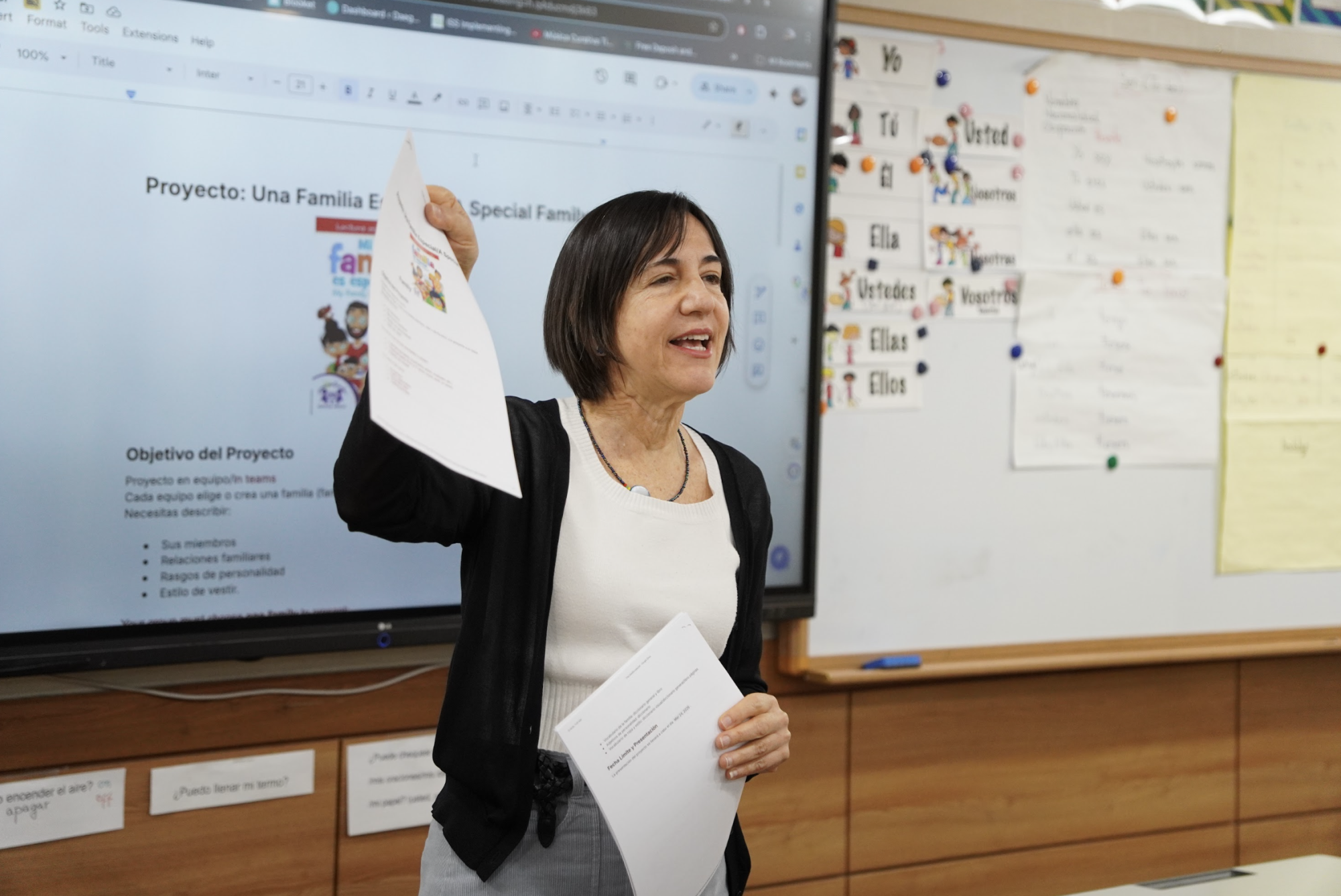
(Ruby Fuhriman)
Ms. Lopez expressed her worry about the limbo state. She said, “We want clean and transparent elections in which we, the ones who are outside of Venezuela, can vote. Also, there is no confidence in the army. We don’t feel that they are there to protect us, but to protect the government. I hope we can look at the army with respect.”
Despite the current turmoil, Ms. Lopez, alongside other Venezuelans, remains resilient and hopeful. Ms. Lopez said, “It’s very unstable, still, but you can breathe a new air of hope. You know, the interesting thing is that people were living in Venezuela, every time I went, even with these difficulties, people lived. We Venezuelans are very resilient”.