

























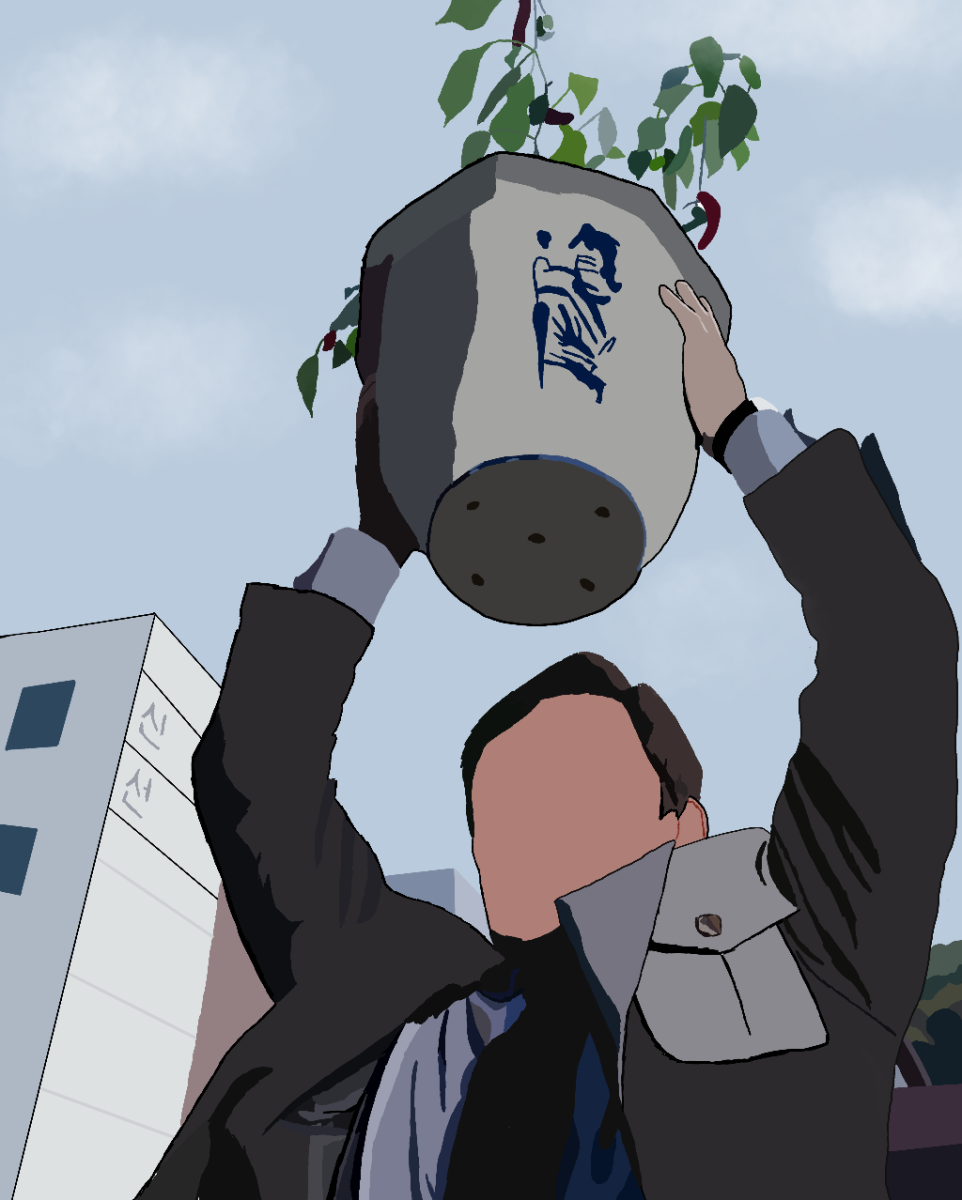
In the opening scene of “No Other Choice”, antihero Yoo Man-soo receives devastating news. He stands under the gloomy office light, gun in hand, as the weight of betrayal paints his face red. The film premiered in theaters in the fall of 2025 then shifted to Netflix in 2026. It quickly drew attention for its intense storyline and realistic portrayal of struggles with morality. The drama received positive reviews from both critics and the general audience, but failed to garner much public attention with only 2.79 million tickets sold worldwide.
The story begins with Yoo Man-soo, a middle-aged father, who struggles to maintain stability for his family after he loses his long-time job as a paper-machine operator. Faced with financial pressure and limited employment opportunities, he is forced into decisions that, a mere two months ago, he would never entertain. Man-soo tries to balance family care with what he perceives is best for his current harsh reality.
For Man-soo, the loss of a job is not just a loss of income. In the patriarchy-dominated society of Korea, the father symbolizes the backbone of responsibility and authority in the family. However, when expectations become too heavy, these cultural norms turn into pressure. Therefore, the moment he loses his position, he feels as if he lost his value as a human being. This serves as a direct critique of the society and the burden placed on workers.
To add on, director Park Chan-wook depicts the brutality of capitalism. The company fires the employees even after years of loyalty. Its management shows no emotion, no apology, no acknowledgment of Man-soo and others’ dedication. The corporation’s answer to his firing was simple: “There was no other choice.” Man-soo’s suffering is not portrayed as just a misfortune but as a result of a system that measures human value by productivity.
The movie reaches its emotional climax when the antihero faces the decision to either continue his destructive path or stop his illegal actions. Throughout the film, he convinces himself that his choices are justified by love and responsibility for his family. Later on, his realization that his actions could harm the people he wants to protect the most creates a heartbreaking moment.
This scene radiated due to the background music. The song “Red Dragonfly” by Cho Yong-pil creates a sweeping silence, but at the same time, amplifies the tension. During the climactic scene, the melancholic cello underscores the moment of reflection. With the music, this scene resonates the longest, even after the ending credits roll.
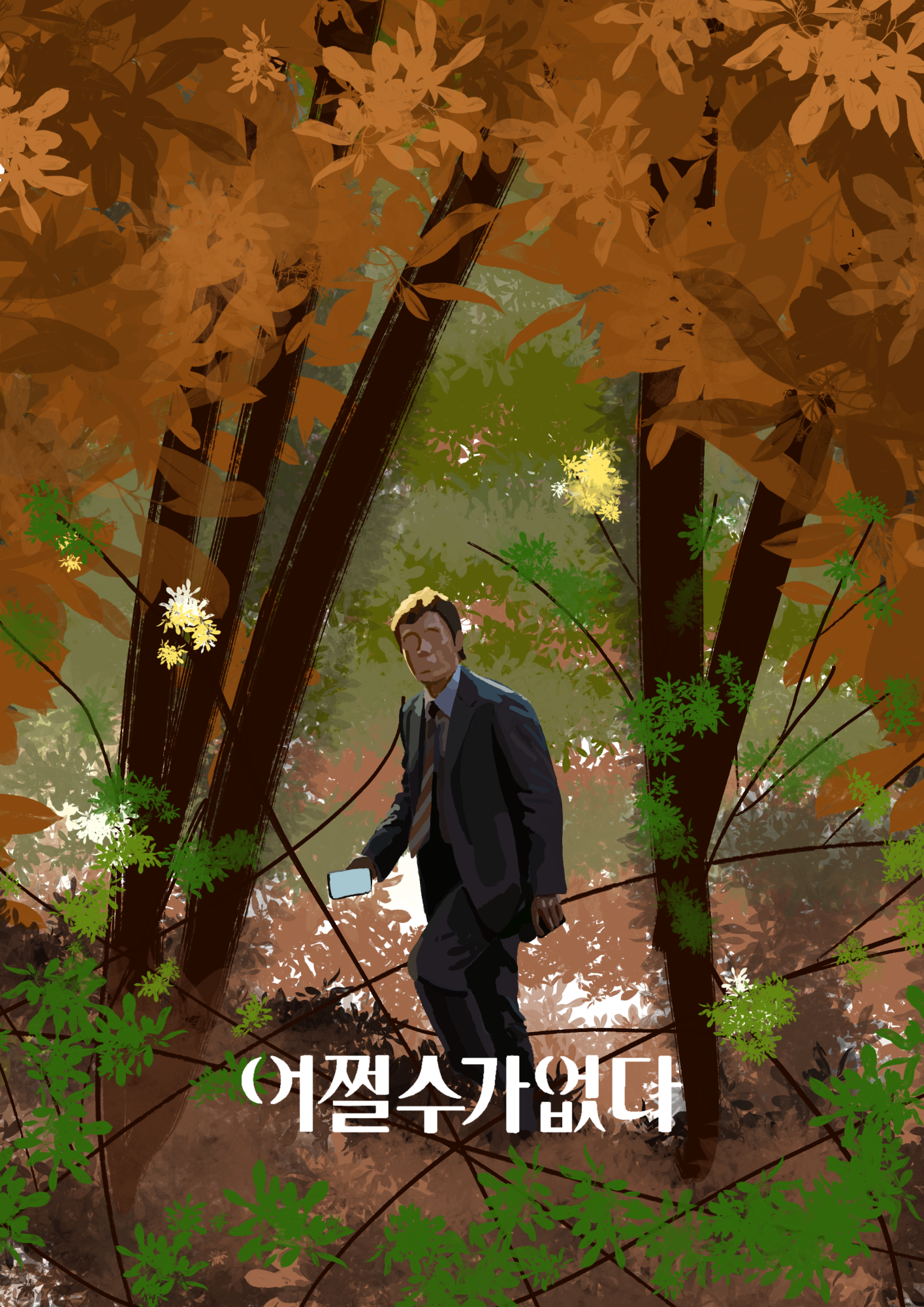
The story relies heavily on symbolism and hidden meanings. Certain objects, camera angles, and even intervals of silence stand for something deeper. For example, Man-soo suffers from severe tooth pain, and it happens to bother him at key moments. The decayed tooth symbolizes his moral hesitation about whether to commit an illegal act. He finally pulls the tooth out himself, which represents his decision to detach from his conscience and choose survival instead.
On the other hand, while the symbolism adds depth, it also creates confusion. Without a focused rewatch of the tooth scene, one may struggle to immediately connect with the broader theme. This increases confusion for the overall viewing experience. Without insightful reflection about the allegory of the pain, it might be disregarded as a mere unnecessary sequence.
Overall, “No Other Choice” stands at an 8 out of 10. It could be tough at times to understand certain scenes, but the underlying meanings hinted throughout make for a total package that provokes thought and entertains. If you enjoy movies that explore moral dilemmas and social commentary, “No Other Choice” is definitely worth a watch.